The tale of woes that innocent road users are going through on Nigeria’s network of roads has become a matter of national lamentation. Across the country, the story is the same. From Sokoto to Port Harcourt and Maiduguri to Lagos, it is the same horror on the highways. There is no respite anywhere.
Nigerian roads are like those of a war-torn country where the government is preoccupied with battling the enemy. Albeit, some may argue that the Boko Haram and allied terrorists and bandits war have put Nigeria in the same frame. But that is fallacious and far from the truth because Nigerian roads since independence have generally been like that for decades. The Boko Haram onslaught is a recent development. Let every Nigerian look back to his/her local government/state and see if there is any good road. Of course, there is none.
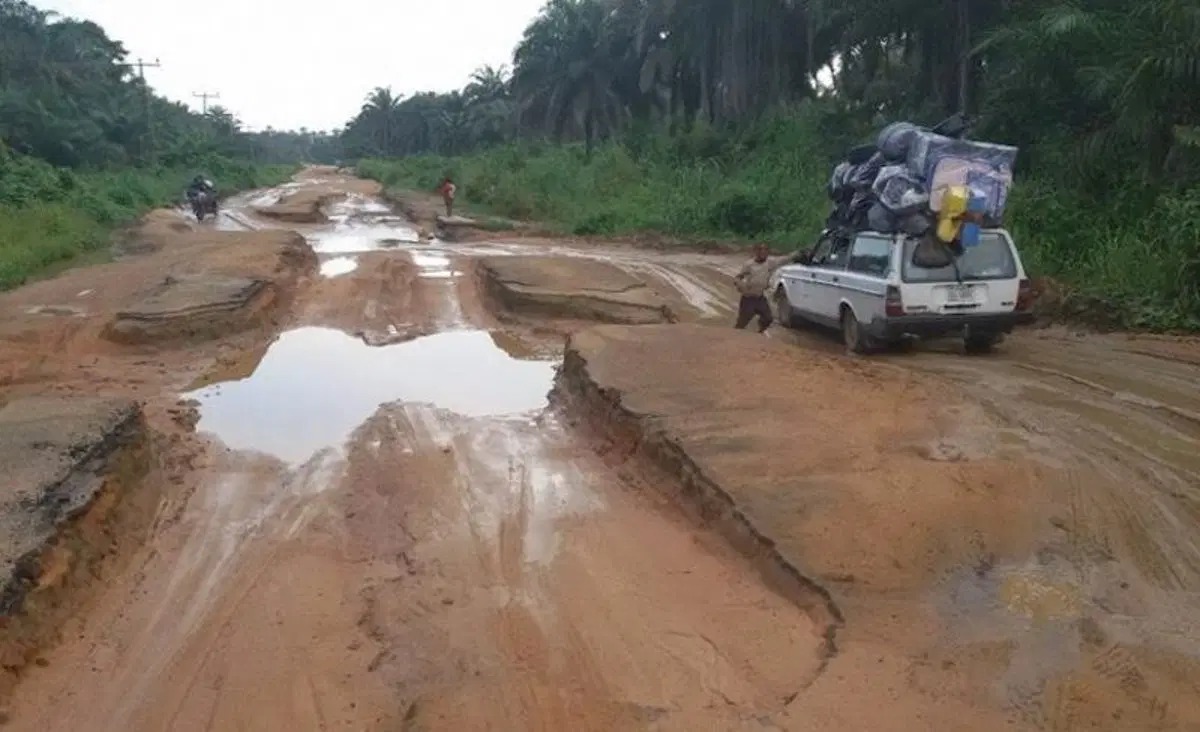
The lamentable degradation of the Benin bye-pass, a critical arterial route built to alleviate the killer traffic gridlock that is common in the city centre serves as a typical example. The bye-pass through which heavy vehicular traffic from the South-East, South-South and North-Central pass to and from Lagos has completely broken down and government glaringly is unconcerned.
On daily basis, fleets of stuck trailers, tankers and heavy-duty trucks line up on the decrepit and dilapidated bye-pass, entrapping several cars and passenger buses to standstill. Tales of woe from travelers lament how they sleep for days under the torrential rains/heat of the day. People spend two to three days going to Lagos for a journey that would normally take about 7 hours. The same scenario plays out on the Enugu-Port Harcourt, Onitsha-Owerri, and most highways from North-Central going to the far north.
The question then is why has the government abandoned the roads? Why is there no concern over the suffering of the people and the economy? What is the government doing with all money it is borrowing? Is the Minister of Works appointed to be talking about the not yet important Lagos-Port Harcourt Coastal Highway, while abandoning all the other highways in the country? Is it not time that government realised that the ordeal of road travellers in Nigeria has become unbearable?
As it were, traveling by road in Nigeria right now is a mix of stress, extra cost, and real fear. Almost every trip has “wahala”. The 5 major ordeals include: bad roads and potholes. The major highways: Lagos-Benin, Abuja-Lokoja, Enugu-Port Harcourt, East-West Road are all in terrible shape. The effect is that a normal 5-hour trip can become 12 hours. Vehicles break down, tires burst, accidents happen. During rain, trucks spend days stuck in mud. This costs more fuel, more repairs, and spoiled goods.
High transport fares because of fuel price, bad roads and extortion. A trip that was ₦10,000 in 2023 is now ₦25,000 – ₦40,000 depending on distance. For many families, visiting relatives or going for hospital/school now means serious budgeting.
Security issues: Kidnapping and armed robbery. Hot zones include Abuja-Kaduna, Benin-Ore, parts of North West, North Central, and some Niger Delta roads. Roadblocks by gunmen, daytime and night attacks add more risks. Night travel is basically avoided now. Most parks only allow daytime trips. Some buses move in convoy with security escort.
Extortion at checkpoints by the police, FRSC, Army, NSCDC, and local touts/”agberos. Commercial drivers can pay as much as ₦20,000 – ₦50,000 in “settlements” on one long trip. They add it to passenger fares. The result is that everything from food to building materials gets more expensive by the time it reaches market.
There is no quick help when a vehicle breaks down. No Automobile Association (AA) like you abroad. Bad roads kill vehicles. If you break down in a remote area at night, help is slow and unsafe. Towing costs are crazy. This affects food inflation: Tomatoes from Jos, yam from Benue cost more in Port Harcourt/Lagos because of transport and “road taxes.” Missed chances* like job interviews, WAEC, hospital appointments missed due to delays. There is trauma for families dealing with kidnapping and ransom. Some people just don’t travel again. Business is affected. Traders lose goods. Transporters spend more on repairs.
How travelers are coping now? Many now resort to day travel only: 6am – 4pm. No night journeys on risky routes. Use big transport companies because they track vehicles and have insurance. Travel in groups/convoys especially on Abuja-Kaduna and East-West. Inform family members. Share vehicle plate, driver number before you leave. *Carry little cash*: Use transfer. Avoid flashy items. *Avoid “one chance”. In cities, don’t enter nearly-empty buses. Sit near the door. Government is doing “Ember months” campaigns and has more checkpoints on dilapidated roads.
The human cost of bad road is not just money. It’s a student who sleeps 2 nights on the road. It’s a sick person who can’t reach the hospital on time. It’s a trader whose profit finishes on the road. The roads that should connect Nigeria are now what divide and exhaust us.
Some safety tips to road travel. Leave early: Take 6am – 8am bus to reach Lagos before dark. Book ahead especially Fri-Sun. Parks get full. Sit wisely near driver or exit. Avoid back seat with luggage. Buy food/water before you enter. Stops are expensive and rushed. Tag your luggage. Theft happens at Asaba and Benin stops.
The alternatives to road include Air: Owerri Sam Mbakwe → Lagos, 1hr flight. It is expensive but saves 1 day of stress. Train: No direct train yet. You’d have to go Owerri – Port Harcourt – Aba – Lagos by road, which is longer. Truth is the road is stressful but thousands do it weekly and arrive safely. The key is day travel with trusted company.
To cut costs, you may decide to break the journey: Owerri – Benin, sleep, then Benin – Lagos. It is cheaper and less stressful. Travel mid-week: Tue-Thu fares are lower than Fri-Sun. If 3-4 people are going, hire a car. It can be safer and cheaper per person. Have emergency contacts: FRSC 122, Police 199.
The solution to all these headaches is to fix the roads. Government should stop abdicating its statutory responsibility. Improve rail alternative: Roads should be maintained regularly and not abandoned until they die. There should be adequate security on highways. More patrols and CCTV on hot spots: Benin-Ore forest, Abuja-Kaduna. Finally end checkpoint extortion to reduce stress on travelers.
Dr. Onyekakeyah, a former member of The Guardian Editorial Board, is a public affairs commentator and columnist for The Daily Query.