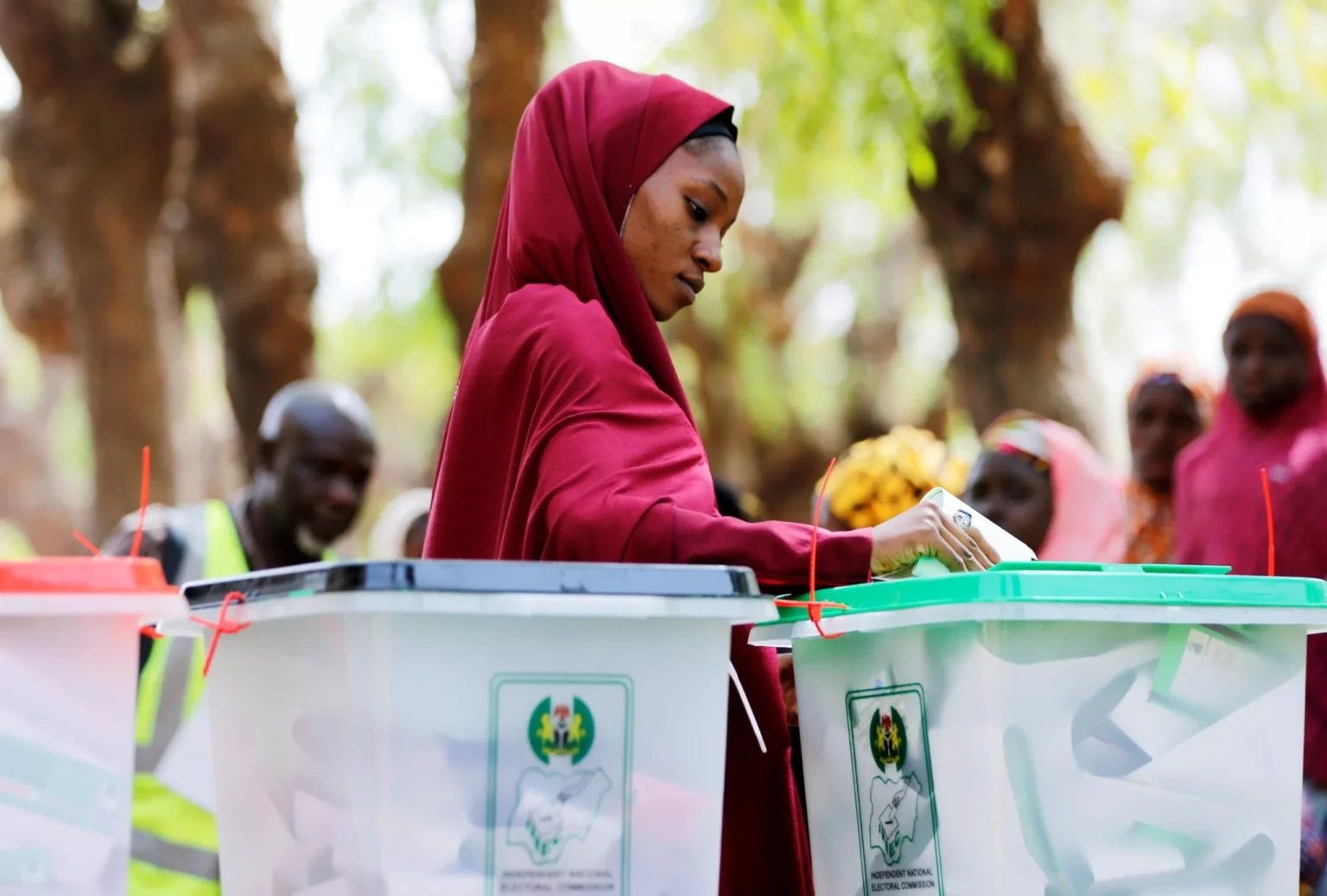
As the 2027 general elections draw nearer, preparations are going on in different ways. A new INEC chairman has been appointed. Voter’s registers are being updated. Parties are registering new members. Some politicians are switching parties to join others. INEC is registering new parties.
As a matter of fact, there is a flurry of activities all geared towards the upcoming elections. The question at this juncture is can the 2027 elections be held without rigging? This is a loaded question that cannot be answered with a straight yes or no. it depends on a number of factors that interplay to determine what happens.
For an election to be rigging-free in Nigeria, several factors need to be in place. These include the Independent National Electoral Commission (INEC); transparent voting process; secure voting system; educated and informed electorate, and strong institutions and laws. These are the ingredients that would make for rigging-free election.
Taken on by one, there should be an INEC, a body responsible for organizing and overseeing elections in Nigeria. To be effective, INEC should have autonomy. It should be free from government or political interference. INEC should be impartial and neutral in conducting the elections. Be transparent and open in its processes. INEC should show accountability and be answerable to the public and the laws.
The electoral process should be transparent, open and clear, allowing citizens to trust the outcome. The key elements include voter verification – ensuring that eligible voters can cast their ballots without hindrance. There should be secure voting system to protect votes from tampering. Observable voting whereby observers are allowed to mentor the process. The results should be verifiable, with accurate counting and reporting. There should be complaints mechanisms to address electoral disputes. All these dimensions help to build trust and ensure the integrity of elections.
There should be secure voting system to protect the integrity of elections by preventing tampering, fraud, and unauthorized access. The key issues include handling paper trails, which includes physical records of votes cast and protecting vote data from hacking. There is also audit-trails, i.e, tracking changes or access to voting systems. Secure storage – safeguarding voting equipment and data, besides regular testing, which requires that systems function correctly. Examples include electronic voting machines with paper trails and block chain–based voting systems.
An educated and informed electorate means citizens have knowledge and critical thinking skills to make informed decisions at the polls, not being swayed through vote–buying. This includes understanding issues, grasping key policies and their impacts, evaluating candidates, assessing qualifications, track records and platforms critical thinking- analyzing information, spotting biases, and making informed choices. Then there is awareness of rights, which includes knowing voting rights and electoral processes.
This leads to more engaged, responsible, and effective democracy. Strong institutions and laws, which refers to robust, independent, and effective organizations and regulations that support democracy and accountability. The issues include independent judiciary–impartial courts that uphold the rule of law; effective legislature – a parliament that represents citizens and checks executive power. Accountable government showing transparency in government. Anti–corruption agencies that investigate and prosecute corruption. These intuitions and laws help to prevent electoral manipulation, ensure accountability, and promote stability.
Having highlighted the conditions that make for anti-rigging, it is pertinent to ask if the above conditions are present in Nigeria. Nigeria’s electoral process faces serious challenges, which impact the conditions that make for credible elections.
For instance, the INEC is a source of concern, with allegations of partisan appointments and political interference. The commission has made efforts to improve transparency by introducing the Bimodal Voter Accreditation System (BVAS) and INEC Result Viewing Portal (iREV), yet there is suspicion that there would be no transparency. The National Assembly (NASS), recently, passed a bill making the use of iREV not mandatory for transmitting polling centre results. That has eroded the confidence citizens have in these electronic devices.
Despite technological advancement, issues persist with regards to transparent voting process, system glitches and allegations of manipulation. There is no secure voting system. BVAS and iREV aim to enhance security, but challenges exist, particularly in the rural areas. With regard to strong institutions, Nigeria’s electoral laws and institutions require strengthening to prevent manipulation and ensure accountability. These conditions are not entirely absent, but there is need for significant improvements to ensure credible elections in Nigeria.
Nigeria has had a few elections that were considered relatively free, fair and transparent. The 1993 presidential election, adjudged to be won by MKO Abiola, is often cited as one of the most credible elections in Nigeria’s history, although, the results were nullified by the military government of General Ibrahim Babangida. The 2015 presidential election is another example, which saw the opposition party the All Progressives Congress (APC), defeat the ruling Peoples Democratic Party (PDP), marking a significant transfer of power.
It is worth mentioning, however, that Nigeria’s electoral process is rife with voter intimidation, ballot box snatching, and vote buying. These issues have eroded public confidence in the electoral process and hindered the realization of genuinely democratic outcome.
Truth is that Nigeria’s electoral history is complex. Some elections have been considered to be more credible than others like the 1993 and 2015 presidential elections earlier mentioned. But as for an election with no rigging, it is hard to pinpoint one. Nigeria has had various electoral challenges, such that opinions on election credibility vary.
It is pertinent to ask, at this juncture, if President Ahmed Tinubu can accept defeat in the 2027 election. Tinubu accepting defeat in the 2027 election would depend on various factors, including the outcome of the election and his personal stance. While there is no clear indication of his intentions, some political analysts believe he might accept defeat if the election is deemed free, fair and transparent.
However, given the current political landscape, with the ruling All Progressives Congress (APC) endorsing Tinubu for re-election and his support groups expressing confidence in his victory, it seems likely that Tinubu is positioning himself for a win. The outcome of the 2027 election will depend on various factors, including the performance of the opposition parties and effectiveness of INEC.
If President Tinubu rejects the 2027 election outcome and refuses to accept it, it could lead to a constitutional crisis and potentially destabilize the country, The Nigerian constitution provides for the INEC to declare the winner.
Tinubu rejecting the outcome could lead to protests and unrest leading to instability in the country. There would be legal challenges and finally international condemnations as the international community might view Tinubu’s action as undemocratic, potentially leading to diplomatic fallout. This is s warning to all concerned to put Nigeria first above personal interest.
Dr. Onyekakeyah, a former member of The Guardian Editorial Board, is a public affairs commentator and a Daily Query columnist.