By Luke Onyekakeyah
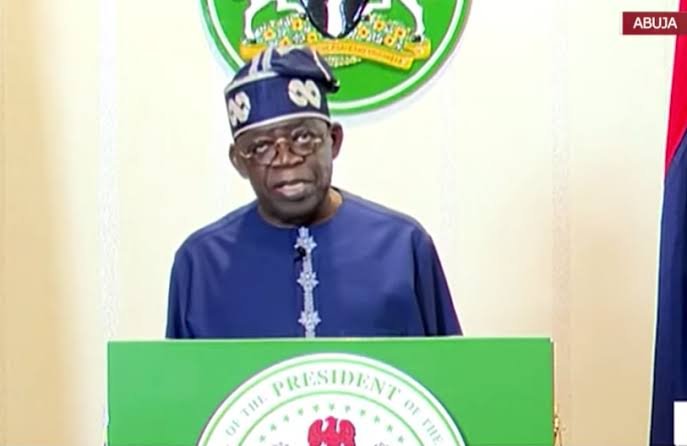
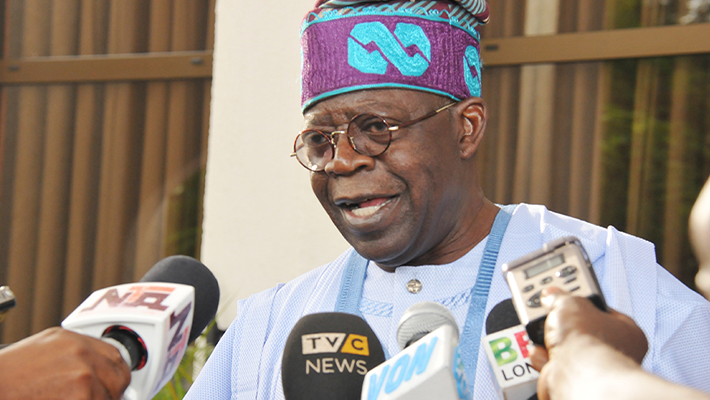
At a time when French-speaking West African countries are shunning France and severing relationship with their former colonial master for obvious reasons, the Tinubu administration is throwing Nigeria’s doors open for France to come in and rule Nigeria’s tax administration. This has stunned observers in what looks like re-inventing neo-colonialism. The agreement is wrong-headed to say the least. and should be discontinued.
The questions bugging Nigerian’s are why Tinubu is taking this course at this stage? What is the objective? What is Nigeria out to gain from this suspicious agreement? To align with a non-English speaking country on behalf of Nigeria is confounding. Is this deal in the national interest or is Tinubu working for his own personal interest? Why are the former colonies of France in West Africa severing ties with their former colonial master, and what is it that is pushing Tinubu to embrace France on behalf of Nigeria? Why is there no transparency in the deal? Whatever maybe Tinubu’s reasons, one thing is clear – the entire deal is suspicious and Nigerians are not happy about it. The deal should be revisited in the national interest.
According to reports, the chairman, Federal Inland Revenue Service (FIRS), Dr. Zacch Adedeji, the other day, signed Memorandum of Understanding (MoU), with the French Revenue Agency, DGFP, on areas of mutual interest and promotion of efficient tax administration.
Speaking at the French Embassy in Abuja, Adedeji reportedly said the agreement reflected a shared commitment to building a stronger, more resilient, and forward – looking tax administration for both countries and expanding impact of digitalization in the global economy.
The French Ambassador to Nigeria, Marc Fonbauster, who signed the agreement on behalf of DGFP, emphasized the importance of collaboration between the two countries. Adedeji, in a statement by his special adviser on media, Dare Adakambi, listed digital transformation as one of such critical areas where Nigeria can leverage France’s advanced technology in compliance management, taxpayer services, and data-driven enforcement.
The FIRS boss said, “As economic activities become increasingly borderless, the ability of both our institutions to collaborate, share intelligence, and harmonise approaches will be crucial. The MoU provides exactly the platform we need to deepen that cooperation.”
He explained that the two way exchange in essential as both countries adapt to emerging challenges such as Artificial Intelligence (AI) deployment, cyber security, and cross border taxation.
Adedeji stressed that Nigeria will deliberately engage more with similar global partners, noting that partnership between France and Nigeria will enable the tax institutions to exchange ideas, share innovations, and learn from each other’s experiences.
“Together, we can develop models that strengthen institutional culture, build global competencies, and prepare our respective institutions for the future of public finance administration. We also anticipate strong bilateral cooperation in international taxation, exchange of information, transfer pricing and profit shifting related work”.
He said that as Nigeria moves into the era of the Nigerian Revenue Service, the partnership was a cornerstone of the transformation, one that will help build a revenue administration.
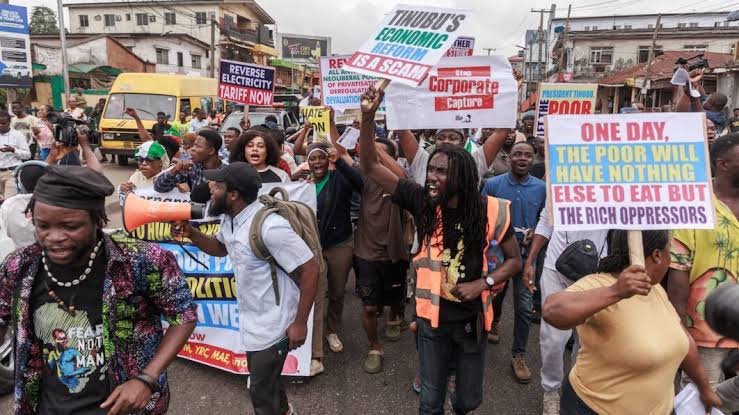
The Tinubu administration’s tax deal with France has sparked wide controversy, with Nigerians questioning the rationale behind the agreement. Many have argued that it compromises Nigeria’s data sovereignty and national security.
Cities such as Peter Obi and Jubrin Ibrahim, argue that Nigeria has sufficient internal capacity to manage its tax data, citing local fintech companies like flutterwave, Paystack and Interswitch. They also raise concerns about France’s history of neo-colonial control of Africa and potential access to sensitive Nigeria data.
Furthermore, the agreement has sparked debate about Nigeria’s strategic autonomy and the role of foreign partnerships in national development.
What is worrisome is why Tinubu is hobnobbing with France when the traditional French–speaking West African countries are shunning France.
Of late, French–speaking West African countries are rejecting France due to a combination of historical economic and political factors. Many citizens of these countries feel that France’s military intervention has not effectively addressed security concerns and have compromised national integrity. This is very critical. There have been protests in Mali Burkina Faso and Niger, demanding an end to French military presence. If France could not address security concerns in its traditional former colonies, with concerns of compromising national integrity, is it tax in Nigeria that it will be able to handle without compromising Nigeria’s sovereignty?
Among the specific reasons for rejecting France are:
· Historical ties and perceived neo-colonialism. The colonial past of France and continued influence in the region have sparked resentment among Francophone West Africans, who now view France’s actions as paternalistic and exploitative.
· Failed Counterterrorism efforts: France’s military interventions in the Sahel region have been criticized for failing to stem the tide of jihadist violence, leading some countries to seek alternative partnerships, such as with Russia.
· Economic interests: West Africans accuse France of prioritizing its own economic interests, particularly in the extractive industries, over local development needs.
· Rising nationalism: Governments in Mali, Burkina Faso, and Niger have leveraged anti-French sentiment to assert their sovereignty and redefine their alliances.
Countries like Mali, Burkina Faso, Niger, Chad, Senegal and Ivory Coast have either terminated or requested the withdrawal of French troops, marking a significant shift in Franco-African relations. Nigeria should halt the ill-advised and wrong-headed move towards fraternizing with France based on the fact that France has been discredited in West Africa.
Onyekakeyah, a former member of The Guardian Editorial Board, is a public affairs commentator and a Daily Query columnist.