By Ijeoma Agbafo
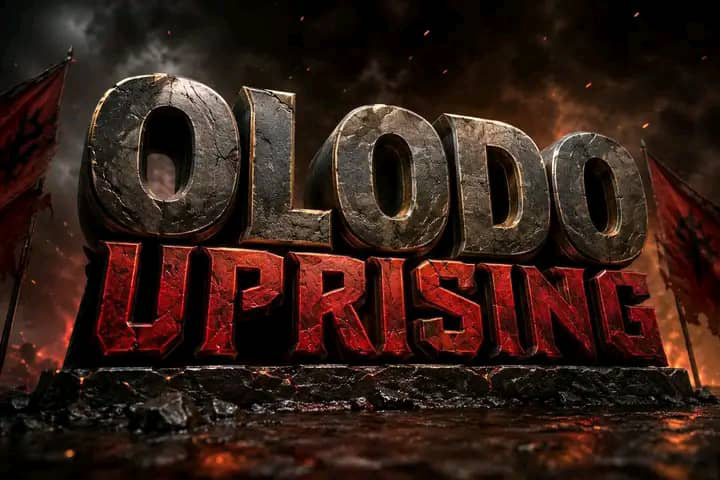
The “Olodo Uprising” has dominated conversations across Nigeria in recent weeks, with many lamenting what they describe as a growing culture of anti-intellectualism among young people.
From social media debates to public commentary, concerns have been raised about the perceived preference for internet fame, entertainment and quick wealth over education.
But beneath the outrage lies a more important question: can Nigerians continue to place their faith in education when the cost of acquiring it keeps rising and its rewards appear increasingly uncertain? For decades, education was regarded as the surest path to success.
Parents made enormous sacrifices to ensure their children earned university degrees, believing that education would provide a better future. Today, however, that belief is being tested.
Before a student secures admission into a tertiary institution, they must pay for the Unified Tertiary Matriculation Examination (UTME), register for WAEC or NECO, purchase study materials and, in many cases, attend tutorial classes.
The recent proposal by the Federal Government to increase WAEC and NECO registration fees, although later suspended following public outcry, highlighted the growing anxiety over the affordability of education in a country already grappling with inflation and the high cost of living. The financial burden does not end with admission.
Across many federal and state tertiary institutions, tuition and other school charges have increased, while students are expected to pay for accommodation, transportation, textbooks, internet subscriptions, departmental dues and project expenses.
For many families, financing a university education has become one of the biggest financial commitments they will ever make. Some students now defer admission, take on part-time jobs or rely on loans and support from relatives simply to remain in school.
Ironically, as the cost of education continues to rise, debates over academic standards have also intensified. The controversy surrounding JAMB’s admission benchmark has led some Nigerians to question whether the education system is lowering expectations while demanding more financial sacrifices from students and their families.
Although education authorities argue that admission benchmarks are intended to widen access to tertiary education, the perception among many remains that the value of education is being eroded even as it becomes more expensive to obtain. The concerns do not end after graduation.
Every year, thousands of graduates enter a labour market where unemployment and underemployment remain persistent challenges. Many are forced to acquire additional professional certifications, learn digital skills or venture into entrepreneurship to improve their chances of securing a livelihood.
At the same time, the rapid success of content creators, entertainers and online entrepreneurs has led some young Nigerians to question whether years spent pursuing formal education still guarantee the opportunities they once promised.
The conversation surrounding the “Olodo Uprising” should therefore move beyond condemning a generation for allegedly celebrating ignorance. It should also prompt a critical examination of the education system itself.
If education is to remain the foundation of national development, it must be affordable, accessible, relevant and capable of creating opportunities for those who invest their time, money and effort in acquiring it. Rising costs without corresponding improvements in quality or outcomes risk weakening public confidence in the system.
Beyond the rising cost of education is the gradual erosion of the learning culture many Nigerians once knew. There was a time when students in many federal and state universities could ease the financial burden by paying their fees in instalments.
Today, even the initial payment is beyond the reach of many families. Likewise, many schools once encouraged, and in some cases required, students to borrow and read books regularly from the library, helping to nurture a culture of reading and critical thinking.
As economic pressures mount and digital distractions become more prevalent, those traditions appear to be fading, raising further concerns about the future of learning. Ultimately, the “Olodo Uprising” should not merely be seen as a debate about whether young Nigerians value education.
Rather, it should serve as a wake-up call to address the deeper issues confronting the country’s education sector. The swift public reaction to the proposed increase in WAEC and NECO registration fees showed that Nigerians still believe in the transformative power of education.
What they are asking for is an education system that is affordable, accessible and capable of rewarding hard work. Until that happens, conversations about the value of education will continue to reflect not just the attitudes of young people, but the realities of a system struggling to keep its promise.