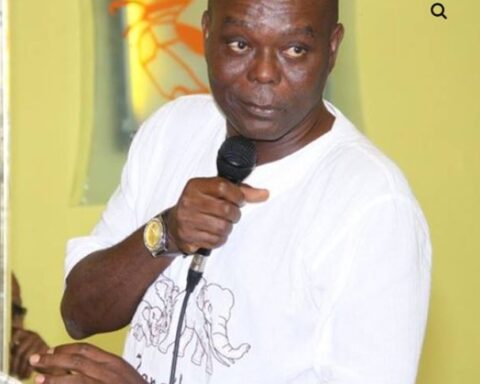
By Dr. Charles Obiajulu Ugwu
One of humanity’s most dangerous inventions is not the weapon, the border, or the algorithm.
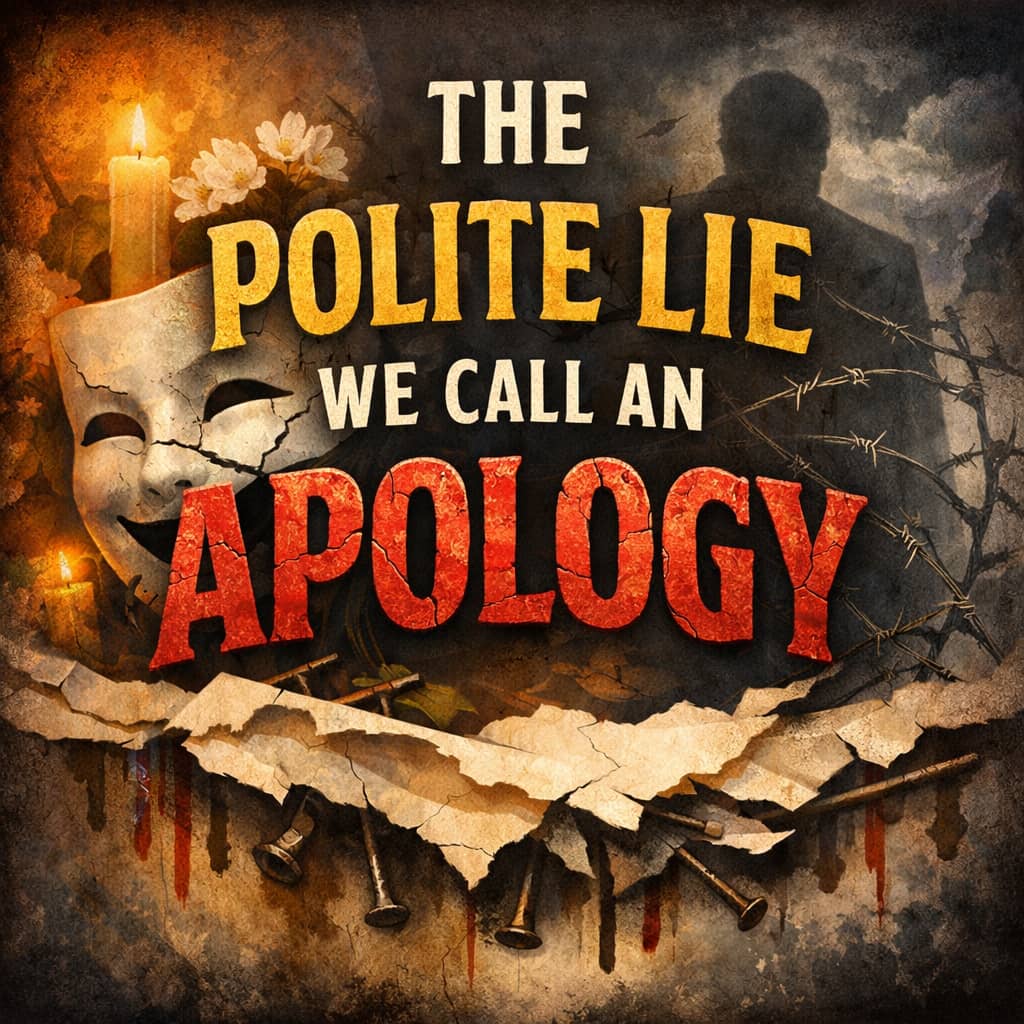
It is the apology.
Not because remorse is evil, but because we have turned apology into a moral detergent something we believe can scrub blood off history, rinse pain from memory, and reset relationships as if harm were a clerical error rather than a lived rupture. We throw words at wounds and call it healing. We rehearse regret and mistake it for repair. We kneel briefly, stand up lighter, and wonder why the injured still limp.
This is not a gentle essay. It is an autopsy of one of our most cherished illusions: that saying “sorry” meaningfully redeems the damage we do to one another.
The ceremony after the crime
Watch closely how harm moves through society. There is always the act sometimes loud, sometimes banal, often wrapped in authority or intimacy. Then comes the pause. Then comes the ceremony.
The tone drops. The vocabulary softens. Sentences arrive with disclaimers: I didn’t mean to…, That wasn’t my intention…, If I hurt you…. The offender becomes reflective. The injured is invited sometimes pressured—to be gracious. Closure is proposed like a corporate settlement.
And yet, something remains off. Something stubborn refuses to comply.
Because the pain has already arrived.
No amount of vocal trembling can reverse a slap. No paragraph of remorse un-humiliates a public shaming. No bouquet, letter, or compensation restores the trust that once allowed someone to feel safe in your presence. The apology does not meet the injury at the moment it mattered. It arrives after the fact, when the damage has already negotiated residence in the nervous system.
We know this intuitively. That is why apologies feel strangely performative even when sincere. They sound like post-event commentary, not intervention. Like narrating a fire after the house has burned down.
The glass does not remember your regret
A stone thrown at a glass window does not pause mid-air to ask about intent. It does not negotiate with remorse. It obeys physics. Impact happens. Shattering follows.
Human pain works the same way.
Once injury is delivered emotionally, psychologically, socially it becomes autonomous. It no longer belongs to the person who caused it. It now belongs to the one who carries it. This is the part our moral scripts conveniently ignore.
We tell victims that forgiveness is noble, that forgetting is healthy, that moving on is proof of maturity. But memory is not a moral actor. It is a biological one. It does not obey sermons. It waits. It stores. It reactivates.
That is why people who have “forgiven” still flinch years later at a familiar tone, a similar situation, a repeated pattern. The mind may have signed the peace treaty. The body did not.
What we call unresolved trauma is often nothing more than honesty refusing to be bullied by politeness.
Why apologies comfort the wrong person
Here is the uncomfortable truth we rarely admit: apologies are more effective at soothing the conscience of the offender than at healing the wound of the injured.
This does not make apologizers villains. It makes them human. But it does expose a structural imbalance we refuse to examine.
The person who caused harm wants release from guilt, from social judgment, from internal friction. The apology functions as an exit ramp. Once spoken, they feel permitted to move on. The moral account, they assume, has been settled.
The injured, meanwhile, is left with a new burden: to respond correctly.
They must accept the apology with grace, or risk being labeled bitter. They must forgive publicly, or be accused of holding grudges. They must perform healing on schedule so that others may feel comfortable again.
This is how societies manufacture silence. Not through cruelty alone, but through rushed reconciliation.
The illusion of clean slates
We love the myth of reset. Nations cling to it after wars. Institutions invoke it after scandals. Families depend on it after betrayals. Let’s put this behind us, they say, as if the past were a coat that could be removed and hung neatly on a rack.
But history does not work that way. Neither does trust.
There are acts after which the relationship is not wounded but altered. Permanently. No apology restores the original configuration because the original conditions no longer exist. Something essential has been learned. A boundary has been crossed. A possibility has collapsed.
Pretending otherwise is not optimism; it is denial.
And denial, when institutionalized, becomes culture.
When repetition exposes the lie
Nothing reveals the weakness of apologies like repetition.
The second betrayal hurts more than the first, not because it is worse, but because it confirms that the apology was never a transformation only a pause. The third betrayal feels almost cruel in its clarity. By then, the injured understands: the words were ornamental. The pattern was the truth.
This is why people eventually stop listening to apologies and start watching behavior. It is not cynicism; it is pattern recognition.
And yet, we keep teaching children, employees, citizens, and partners that saying sorry is the moral peak. We raise fluent apologizers who never develop restraint, foresight, or accountability. They learn to break things politely.
The social cost of cheap remorse
At scale, this illusion becomes catastrophic.
Corporations apologize after poisoning communities. Governments apologize decades after destroying lives. Leaders apologize with straight faces while remaining in power structures that guarantee repetition. The apology becomes a press release, a cooling mechanism, a way to buy time until outrage expires.
Nothing structural changes. Nothing meaningful is relinquished. The same incentives remain intact.
This is why public apologies feel hollow even when delivered with eloquence. They are offered without consequence. Without sacrifice. Without irreversible cost.
And without cost, remorse is cheap.
What we should have learned but didn’t
Ancient cultures understood something we have forgotten: not all harm is redeemable through words. Some acts demanded exile. Others demanded restitution so severe it altered the offender’s future. Some demanded silence instead of explanation.
We replaced these hard truths with softer myths because they were easier to live with. We told ourselves that intention mattered more than impact. That remorse equaled repair. That moral debts could be settled verbally.
This was convenient. It allowed us to keep harming each other while believing ourselves good.
The discipline we avoid
The real moral work begins long before apology is needed.
It begins with restraint. With foresight. With the humility to recognize that you are capable of damage you may never be able to undo. It begins with treating human interaction not as a playground for impulse, but as a field where consequences linger.
This is not romantic. It is sober.
It demands fewer grand gestures and more quiet self-regulation. Fewer speeches and more changed behavior. Less obsession with forgiveness and more obsession with not becoming someone who constantly needs it.
The highest form of accountability is not saying “I’m sorry.”
It is living in such a way that fewer people require your regret.
Living after the illusion breaks
When we abandon the fantasy that apologies fix everything, something sobering but necessary happens. We become more careful. More precise. Less entitled to emotional recklessness.
We stop assuming that people owe us closure. We stop demanding absolution on our timeline. We accept that some relationships will never return to what they were and that this is not cruelty, but consequence.
This recognition does not make us colder. It makes us cleaner.
Because truth, unlike apology, does not pretend to restore what has been broken.
The cost of growing up
Humanity’s maturity will not be measured by how beautifully we apologize, but by how rarely we need to.
As long as we treat remorse as a moral eraser, we will keep injuring each other with confidence, trusting language to clean up the mess. As long as we rush victims toward forgiveness for our comfort, we will keep confusing silence with healing.
The glass remembers the stone, not the speech afterward.
And perhaps the beginning of wisdom is finally accepting that some things, once shattered, do not need better apologies but fewer throws.
Author Bio
Dr. Charles Obiajulu Ugwu is a Contrarian thinker, management consultant, adaptability thought leader, and regenerative systems expert. He writes at the intersection of human behavior, power, and moral consequence, interrogating the stories societies tell themselves to avoid difficult truths.