It’s a massive project that has been in the works for nearly two decades, and the figures you mentioned are at the heart of why the government is pushing so hard for its completion.
The Digital Switchover (DSO) is essentially Nigeria’s migration from old-school analogue broadcasting to digital. While it has faced several delays over the years, the current momentum is high. Here’s a quick look at why those specific numbers matter:
Nigeria’s advertising market is estimated at over N605 Billion. The NBC believes that by switching to digital, they can introduce real-time audience measurement. Currently, advertisers often “guess” viewership; with digital data, they can target ads precisely, which is expected to unlock massive growth in spending.
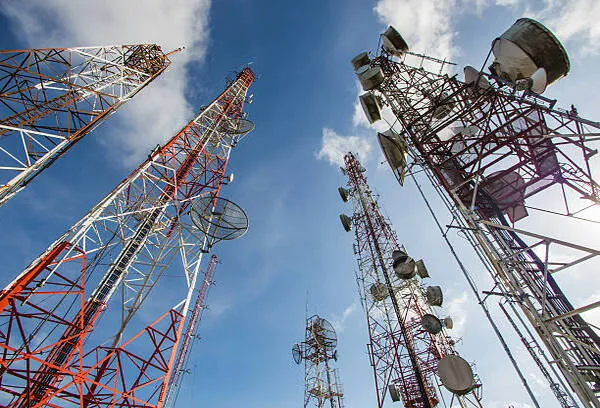
When TV stations stop using analogue signals, they “vacate” certain airwaves (the spectrum). The government plans to sell this freed-up spectrum to telecommunications companies to expand 5G and broadband services, which is where that $1 billion windfall comes from.
The Federal Government has set June 17, 2026, as the official date for a major relaunch and “Analogue Switch Off” (ASO) in several key zones.
To speed things up, the NBC has partnered with NIGCOMSAT (Nigeria’s satellite company). Instead of building thousands of physical masts across the country, they are now using satellite technology to beam signals directly to homes, covering 100% of the landmass much faster.
The new digital set-top boxes (decoders) being rolled out aren’t just for TV; they are designed to support internet apps, educational content, and even government services.
This transition has been ongoing since 2008. If the June 2026 target is met, it will mark the end of an 18-year journey to modernize Nigerian airwaves.