A fragile mix of diplomacy and brinkmanship is shaping a new chapter in the long-running tensions between the United States and Iran, as Washington signals readiness for a second round of peace talks even as Tehran raises the stakes with threats that could disrupt global trade.
US officials confirmed that discussions are underway to revive negotiations with Iran, with Pakistan emerging as the likely host of the next round. The development follows a failed attempt at dialogue in Islamabad last weekend, which had briefly dimmed hopes for de-escalation. Now, however, renewed diplomatic efforts appear to be gaining momentum.
At the center of the push is Donald Trump, who recently hinted that negotiations could resume within days. His remarks have been reinforced by the White House, where Press Secretary Karoline Leavitt expressed confidence in the process.
“Those discussions are being had,” Leavitt told reporters, adding that talks would “very likely” take place in Pakistan’s capital. Her tone reflected cautious optimism, suggesting that despite earlier setbacks, both sides may still be willing to find common ground.
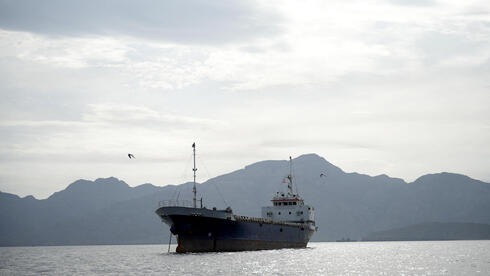
Yet, even as diplomatic channels reopen, tensions remain high. Iranian officials have issued a stark warning: unless the United States lifts its naval blockade on Iranian ports, Tehran could take drastic action by shutting down trade routes through the Red Sea. Such a move would have far-reaching consequences, disrupting one of the world’s most critical maritime corridors and sending shockwaves through global markets.
The Red Sea serves as a vital artery for international commerce, linking Europe, Asia, and Africa. Any disruption could trigger a surge in shipping costs, delay the movement of goods, and intensify existing economic pressures worldwide. Analysts warn that Iran’s threat is not merely rhetorical but a calculated signal designed to strengthen its negotiating position.
Amid this tension, Pakistan has stepped into a pivotal diplomatic role. A high-level Pakistani delegation recently arrived in Tehran, carrying what officials described as a “new message” from Washington. The move underscores Islamabad’s growing importance as a mediator capable of bridging divides between the two adversaries.
Leading the diplomatic charge is Pakistan’s Prime Minister, Shehbaz Sharif, who has embarked on an intense four-day diplomatic tour aimed at rallying regional support for renewed talks. On Wednesday, Sharif met with Mohammed bin Salman in Saudi Arabia, a meeting widely seen as an effort to align key Middle Eastern stakeholders behind the peace initiative.
Saudi Arabia’s involvement adds another layer of complexity and opportunity. As a regional heavyweight with deep ties to both Washington and Islamabad, Riyadh’s backing could prove instrumental in facilitating dialogue and easing tensions.
Despite the renewed optimism, significant challenges remain. The failure of the previous talks in Islamabad highlighted deep divisions over key issues, including sanctions, security guarantees, and Iran’s regional activities. Trust between the two sides remains fragile, with each move closely scrutinized for signs of weakness or bad faith.
Still, the willingness to return to the negotiating table suggests that neither side is eager for further escalation. For the United States, a diplomatic resolution could stabilize a volatile region and protect global economic interests. For Iran, easing sanctions and securing relief from economic isolation remain pressing priorities.
As the world watches closely, the coming days could prove निर्ण decisive. Whether the talks in Pakistan materialize and whether they yield tangible results, will depend on the ability of both sides to navigate a narrow path between confrontation and compromise.
For now, hope and uncertainty move in tandem, as diplomacy races against rising tensions in a region where the stakes could hardly be higher.