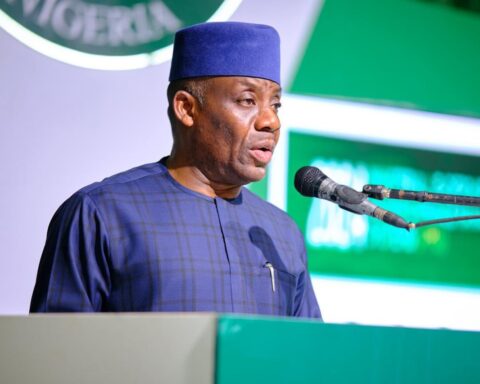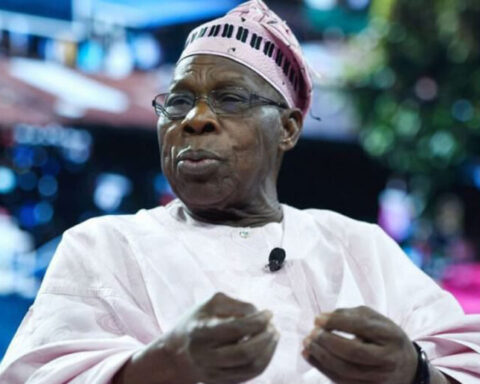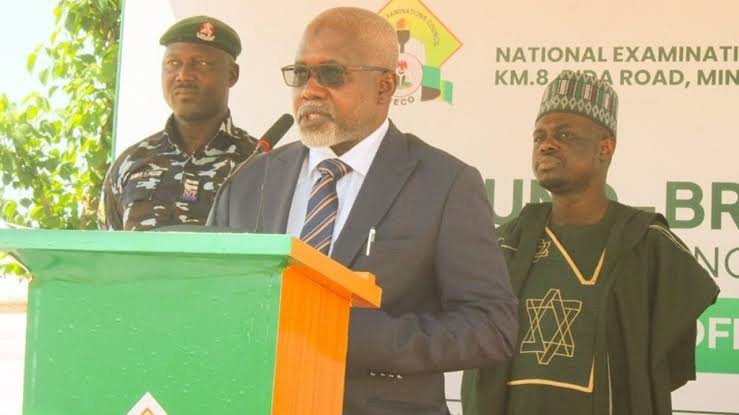
Tensions are escalating across Nigeria’s tertiary education sector as the Academic Staff Union of Universities (ASUU) moves closer to a nationwide strike, accusing the Federal Government of prolonged deafness over a host of unfulfilled demands. Despite repeated ultimatums, protests, and pleas for dialogue, the government’s silence has only worsened anxieties among lecturers, students, and stakeholders.
ASUU has repeatedly called on the government to honour the 2009 FG-ASUU Agreement, especially its renegotiation, which has been stalled since 2017.
The union also demands:
Payment of salary arrears (including those from 2022), unresolved promotion arrears and the delayed Earned Academic Allowances (EAA).
Functional implementation of the Yayale Ahmed Report, which proposes a framework to resolve many of ASUU’s outstanding issues.
Adequate funding for public universities, better working conditions, and institutional autonomy.
Opposition to what they describe as coercive schemes, such as the Tertiary Institutions Staff Support Fund (TISSF) which ASUU sees as pushing lecturers into debt rather than addressing their welfare directly.
The Federal Government has issued some statements, but many are seen as vague, non-committal, or inadequate:
A few government officials have assured that they do not want a strike, and that efforts are being made to negotiate. For example, the Minister of State for Education, Maruf Tunji Alausa, said that protests by ASUU will not necessarily lead to strikes, and directed relevant agencies to work on an agreement.
FG has reaffirmed commitment to maintaining industrial harmony and claimed that some issues are being worked on.
But crucially, no specific timetable has been provided for when key demands — like the release of revitalisation funds, salary and promotion arrears, or implementation of the renegotiated 2009 agreement — will be met. Stakeholders say this lack of specificity amounts to inaction.
ASUU has issued a 14-day ultimatum to the Federal Government to act on its demands. If the FG fails to do so, the union plans a two-week warning strike, followed by an indefinite shutdown of public universities nationwide.
In different university campuses, ASUU members have been mobilizing: protests, rallies, and suspension of some academic activities are already in motion. Meanwhile, student bodies are also alert, warning of mass disruptions if the situation worsens.
Disrupt academic calendars across federal universities, potentially delaying graduations and admissions.
Deepen financial hardship among lecturers who are already struggling with arrears, inflation, and rising cost of living.
Interrupt the academic progress of students, many of whom are from disadvantaged backgrounds, worsening educational inequality.
Undermine public confidence in the government’s ability to manage and fund higher education.
Observers argue that FG’s continued silence or delayed responses are fueling distrust and despair. When assurances are made but not backed up by actions or timelines, ASUU, students, and the public view them as mere placations. This “keep-them-talking” approach only makes the possibility of a strike seem inevitable.
For the crisis to be averted, many suggest the following steps:
Concrete action and timeline from FG on key demands (arrears, funding releases, signed agreements).
Transparent negotiation process involving ASUU, Ministry of Education, Accountant-General’s Office, and relevant agencies.
Intervention by oversight bodies (National Assembly, academic regulatory authorities, civil society) to ensure follow-through.
Public communication from FG to reassure students and staff, and set realistic expectations.
As of the latest reports, the clock is ticking. With ASUU’s ultimatum still running and university campuses already tense, silence from the Federal Government is no longer an option — many believe it could escalate into full disruption unless prompt, decisive measures are taken.
Follow us on all social media platforms @dailyquery for news and analyses around the globe.