By Stephanie Shaakaa
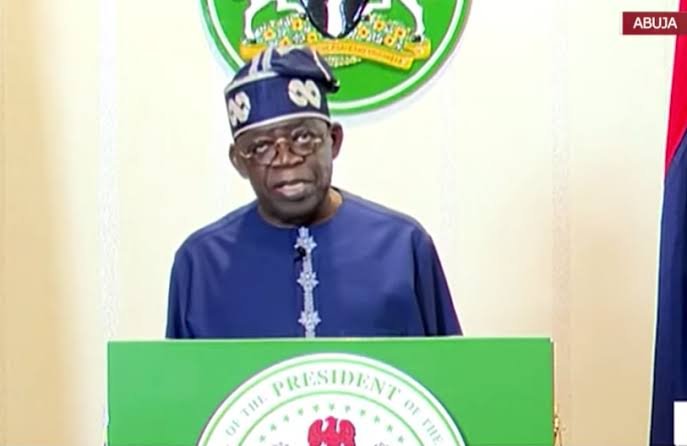
NIGERIA is changing the way it collects money from its people and that change has quietly walked into our lives like a new landlord who did not knock. From January the government began implementing new tax laws and reforms that it says are necessary to save the country. The word save sounds noble but for many Nigerians the immediate feeling is fear confusion and anger. People are asking one simple question. Who will this save and at whose expense.
To understand what is happening we must first understand Nigeria’s money problem. For years the country survived largely on oil money. Government earned foreign exchange sold crude oil shared revenue and paid salaries.
Taxes were almost an afterthought. Many people did not pay. Many businesses escaped. Many rich Nigerians structured their lives in ways that avoided the tax net entirely. Government tolerated it because oil money was flowing. That era is gone.
Oil production has struggled. Oil theft is rampant. Subsidy has been removed. The naira has been floated and devalued. Inflation has eaten deep into incomes. Government revenue is no longer enough to fund the country. So the government has turned to the one thing it previously neglected. Taxes.
In simple terms the government is saying Nigeria can no longer run on oil money alone. Everyone must contribute. On paper that sounds fair. In reality it is complicated.
The new tax laws strengthen the powers of tax authorities. They make it easier for government agencies to assess what you owe. They make enforcement faster and tougher. They reduce the space for delays objections and endless court cases. In some cases they allow authorities to demand payment before disputes are fully resolved. This is where the anxiety begins.
For the average Nigerian tax has always felt abstract. PAYE is deducted from salaries and people move on. Traders pay levies to local governments. Businesses pay company income tax if they are formal enough. The problem is that the burden has never been evenly shared. A teacher earning modest income is taxed fully. A big man with multiple streams of income sometimes pays nothing meaningful. The new reforms promise to close that gap but Nigerians are not convinced it will work that way.
The fear is that government will go after those who are easiest to reach rather than those who owe the most. Salary earners cannot hide. Small businesses with visible shops cannot disappear. But powerful individuals with lawyers accountants and political connections may still find ways around the system. Nigerians have seen this movie before.
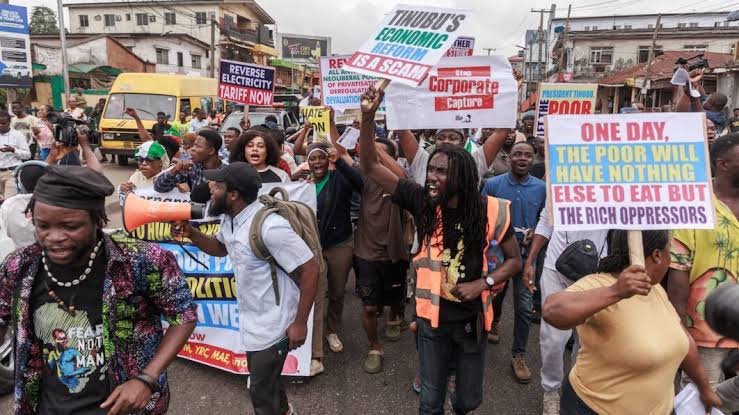
Another major issue is timing. The economy is hurting. Food prices are high. Transport costs have doubled. Rent is climbing. Electricity tariffs have increased. In this environment any talk of tougher tax collection sounds like punishment. People are not arguing against taxation. They are arguing against taxation without relief.
A woman selling tomatoes in the market does not understand fiscal consolidation or revenue diversification. What she understands is that she sells the same basket of tomatoes for more money today but buys fewer things with that money. If she now hears that government wants more tax she feels attacked not included.
Trust is the missing ingredient in this conversation. Nigerians do not trust that taxes collected will be used well.
Roads are bad. Hospitals are struggling. Schools are underfunded. Power supply is unreliable. Security is fragile.
When citizens do not see value they resist contribution. Taxation works best where citizens can trace their money to services. Nigeria has not earned that confidence.
The government argues that without more revenue it cannot provide services. Citizens argue that without services they cannot justify more revenue demands. This is the deadlock.
Another concern is the aggressive powers given to tax authorities. Many Nigerians worry about abuse. In a system where institutions are weak giving officials sweeping powers can lead to harassment extortion and selective enforcement. A small business owner fears that an overzealous tax officer could freeze accounts disrupt operations and demand payments that are not clearly justified. In a country where corruption still exists this fear is not imaginary.
There is also confusion. Many people do not understand what exactly has changed. Communication has been poor. Laws are passed in Abuja but explanations do not reach the grassroots. When people do not understand policy they assume the worst. Government has not invested enough in public education around these reforms.
Yet it would be dishonest to ignore the other side. Nigeria genuinely needs money to function. Borrowing has reached worrying levels. Debt servicing consumes a large portion of revenue. The government cannot keep borrowing to pay salaries and fund basic operations. At some point the bill comes due. Taxes are a more sustainable source of revenue than loans.
The real question is not whether Nigeria should collect more taxes. The question is how and from whom.
A fair tax system taxes wealth more than struggle. It taxes luxury more than survival. It taxes consumption that signals capacity rather than basic existence. Nigerians will accept taxation if it feels just. If the billionaire pays significantly more than the teacher. If multinational companies are not allowed to shift profits while small businesses are squeezed. If political office holders cut their own costs and privileges.
Symbolism matters. When citizens see government reducing waste blocking leakages and living within its means they are more willing to contribute. When they see convoys expanding allowances increasing and budgets bloating they resist.
Another critical issue is the informal economy. A large percentage of Nigerians operate outside formal structures. They are not registered. They do not keep formal records. They survive day to day. Bringing this group into the tax net requires sensitivity. You cannot treat survival income the same way you treat corporate profit. Gradual inclusion incentives and support matter.
There is also the matter of federal and state coordination. Nigerians are already burdened by multiple taxes levies and fees from different levels of government. Harmonization is essential. People should not be taxed multiple times for the same thing under different names. This confusion fuels resentment.
In the end this moment represents a crossroads. Nigeria is trying to transition from an oil dependent state to a tax based one. Many countries have done this successfully. But they did it alongside strong institutions transparency and social contracts. Taxation is not just about money. It is about relationship between state and citizen.
If government treats taxation as enforcement alone it will fail. If it treats it as partnership it may succeed. Nigerians are not allergic to responsibility. They are allergic to exploitation.
This conversation must be honest. Government must admit past failures. Citizens must accept that the country cannot run on wishes. Both sides must meet halfway. Taxes must be fair predictable and visible in their impact.
Services must improve. Waste must reduce. Accountability must increase.
Otherwise the new tax laws will not be remembered as reform. They will be remembered as another burden placed on people already carrying too much.
And a nation where citizens feel crushed rather than carried cannot move forward no matter how many laws are passed.
Nigeria cannot tax its way out of distrust. Laws can compel payment but only justice earns cooperation. If taxation becomes another instrument that presses the poor harder than the powerful it will deepen resentment not rebuild the nation. But if it is fair transparent and visibly tied to better roads safer streets working hospitals and schools then Nigerians will pay not because they are forced to but because they finally believe. A country is not funded by fear. It is sustained by trust. And this tax moment will decide whether Nigeria chooses partnership or punishment.