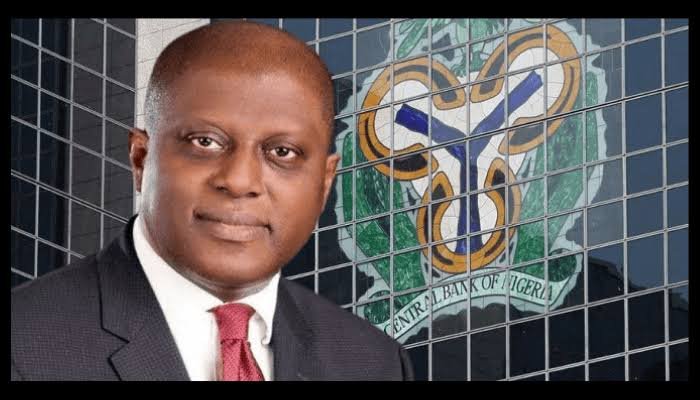
Falana urges constitutional compliance and stakeholder engagement ahead of planned tax overhaul
Falana Draws the Line
Renowned human rights lawyer and Senior Advocate of Nigeria (SAN), Femi Falana, has issued a strong warning to the Federal Government over its planned implementation of newly enacted tax laws, insisting that the reforms cannot legally take effect until serious controversies surrounding them are resolved.
Speaking to journalists in his hometown of Ilawe-Ekiti on Wednesday, Falana made it clear that unresolved legal questions threaten to derail the reforms before they even begin.
Alleged Insertions Raise Red Flags
At the heart of Falana’s concern are allegations of unauthorised insertions into the tax laws. According to him, these claims have cast doubt on the authenticity and legitimacy of the final versions of the legislation.
He argued that any law surrounded by such controversy cannot be enforced without violating constitutional and legislative procedures.
“Until the controversies surrounding the legitimacy of their provisions are addressed, the new tax laws cannot take effect,” Falana stated.
Missed Opportunity Before 2026
Falana criticised the Federal Government for failing to use the closing days of 2025 to clean up the disputed provisions.
He said the government ought to have resolved the issues and released clean, uncontested copies of the tax laws well before the proposed January 1, 2026 commencement date.
“The government should have used the last few days of 2025 to address the issue and make clean copies of the new tax laws available,” he said.
Legal Battles Loom
The senior lawyer warned that proceeding with implementation without resolving the disputes could plunge the government into avoidable legal battles.
“If that was not done, the government would put itself in trouble by deciding to implement the laws. There are interest groups ready to challenge the legitimacy of the laws,” Falana cautioned.
Such lawsuits, he noted, could stall the reforms and weaken public confidence in the government’s tax agenda.
Tinubu Stands Firm
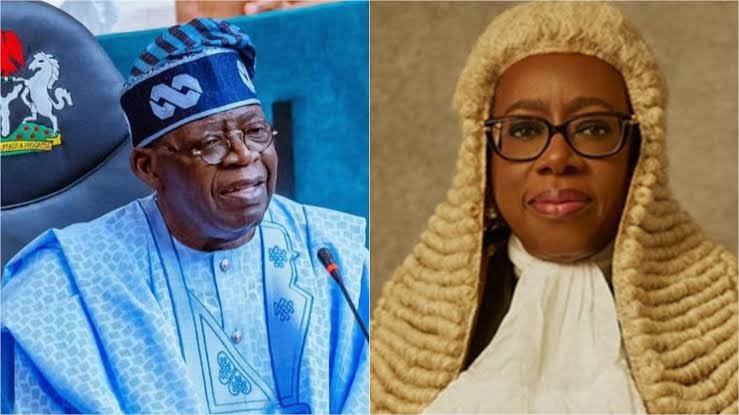
Falana’s comments come against the backdrop of President Bola Tinubu’s firm stance on the reforms. On Tuesday, the President declared that there would be no going back on the January 1, 2026 implementation of the tax laws, describing them as critical to revenue generation and economic stability.
Rule of Law vs Revenue Drive
While acknowledging the need for tax reforms, Falana stressed that economic goals must not override the rule of law. He warned that enforcing disputed laws, especially at a time of rising inflation and cost-of-living pressures, could deepen public frustration.
According to him, taxation must be lawful, transparent, and people-centered, not imposed under a cloud of controversy.
Final Word
Falana concluded that no presidential declaration can cure a law plagued by unresolved legitimacy issues. Until allegations of insertions are investigated and addressed, he maintained, the new tax laws cannot lawfully take effect, regardless of the planned start date.
As Nigeria pushes for fiscal reforms, the unfolding debate highlights a critical question: Can tax reform succeed without first securing legal clarity and public trust?