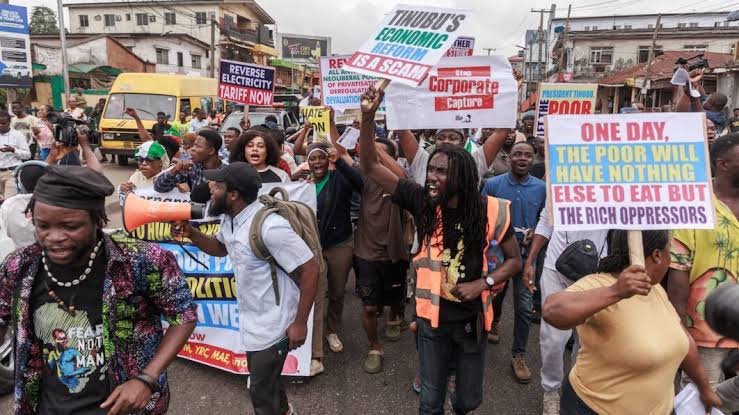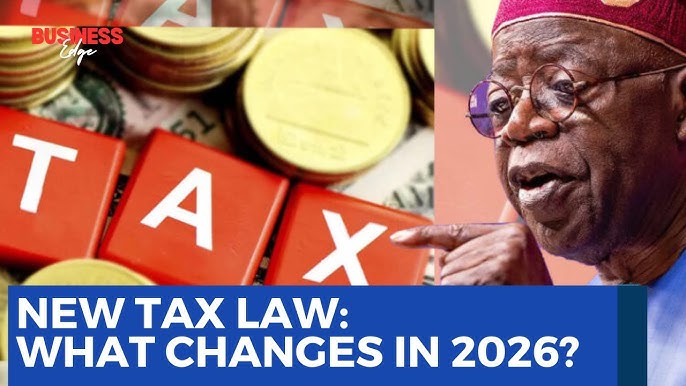
Nigeria’s sweeping tax reform laws — set to take effect on January 1, 2026 — are at the centre of a fresh political controversy, with opposition lawmakers and civil society figures warning of a constitutional crisis and threats to democratic process.
At the heart of the debate are allegations that the versions of the tax laws later gazetted differ from the ones passed by the National Assembly, prompting some politicians and parties to call for a suspension or review before implementation.
Allegations of Alteration Spark Political Uproar
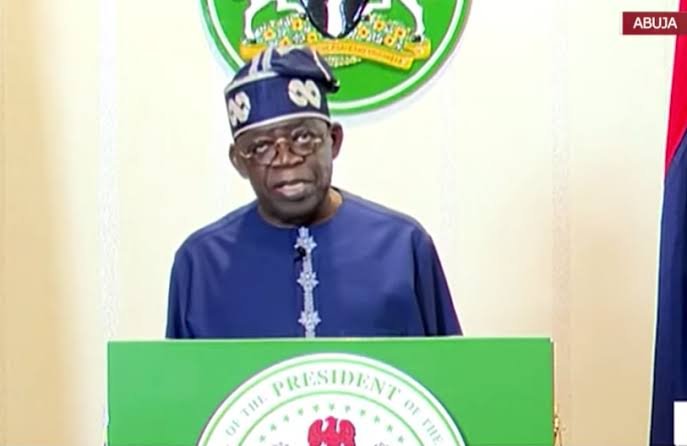
The controversy erupted after members of the House of Representatives, notably Abdulsamad Dasuki, raised alarms that the official gazetted versions of the tax laws — which were signed by President Bola Tinubu — contain key provisions that differ from what was actually debated and approved in Parliament.
Critics claim that these alterations include new enforcement powers and deleted accountability safeguards that were neither debated nor approved by lawmakers.
In response, opposition entities such as the African Democratic Congress (ADC), and the People’s Redemption Party (PRP), have demanded the immediate suspension of the laws until a thorough comparative review is completed, warning that allowing any altered or “forged” text to stand would undermine constitutional governance and the separation of powers.
Oyedele: Lawmakers Have the Power to Decide Suspension
Speaking on Channels Television, Taiwo Oyedele, Chairman of the Presidential Fiscal Policy and Tax Reforms Committee, acknowledged the storm surrounding the reforms but made it clear that any decision to postpone or suspend implementation lies solely with the National Assembly.
According to him, the reform committee itself does not have the authority to delay the scheduled rollout — that power constitutionally rests with lawmakers.
Oyedele stressed that growing opposition to the reforms has been driven “largely by misinformation and fear rather than the substance of the laws.” He also remarked that the investigation into the alleged alterations will influence whether lawmakers choose to delay implementation — although, in his view, the better approach is to isolate and address disputed provisions rather than halt the entire tax reform programme.
Arguments for Implementation vs. Stakes of Delay
From the government’s perspective, the tax reforms are designed to modernise Nigeria’s tax regime, expand the tax base, and simplify compliance by consolidating key tax statutes under one streamlined framework.
The four main bills — including the Nigeria Tax Act, Nigeria Tax Administration Act, Nigeria Revenue Service (Establishment) Act, and Joint Revenue Board (Establishment) Act — were signed into law with the aim of addressing systemic inefficiencies in the country’s fiscal system.
Oyedele and other proponents have warned that halting implementation could have significant downside effects, including:
-
Maintaining a tax system that overburdens low-income workers, with up to 98% of wage earners continuing to face multiple and disproportionate tax burdens.
-
Businesses missing out on built-in exemptions and simplifications, continuing to pay overlapping levies under the old framework.
-
Small and unprofitable enterprises continuing to face minimum tax liabilities, limiting economic growth and investment.
Calls for Investigation and Legislative Review
While the Presidency has dismissed the alteration claims as unproven and politically motivated, various opposition leaders — including Atiku Abubakar and Peter Obi — have urged for an independent and transparent investigation to determine whether alterations actually occurred and to what extent they might undermine the legitimacy of the laws.
At the legislative level, the House of Representatives has initiated a committee to examine the claims, with the outcome of that probe likely to shape whether lawmakers formally push for postponement, corrective amendments, or unconditional implementation of the reforms.
What Happens Next?
As the January 1, 2026 commencement date approaches, the tug-of-war between those insisting on full implementation and others warning of constitutional breaches remains unresolved. Lawmakers will play a pivotal role in deciding whether to proceed as scheduled, postpone, or demand revision based on the findings of ongoing investigations.
For Nigerians — especially workers, entrepreneurs, and investors — the coming weeks could determine the shape of the country’s tax landscape for years to come, balancing the promise of modernised tax policy against concerns over procedural integrity and governance.