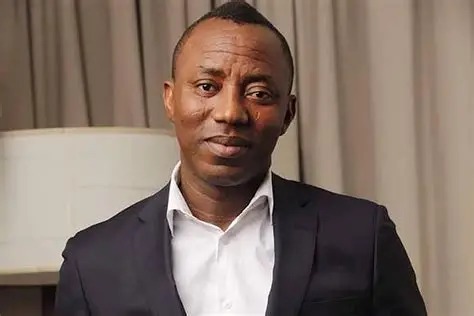
The presidential candidate of the African Action Congress in the 2027 general election, Omoyele Sowore, has appealed to Nigerians not to direct their frustration over alleged xenophobic attacks in South Africa at Grammy-winning singer Tyla, arguing that political leaders, rather than entertainers, should be held responsible for diplomatic and governance failures.
Sowore made the appeal in a post shared on his X handle on Wednesday, as controversy continued to trail calls by some Nigerians for a boycott of the South African singer’s forthcoming concert in Lagos.
The debate intensified after Tyla announced her highly anticipated APOP World Tour, with Lagos listed as one of the destinations. According to the schedule, the South African music star is expected to perform in Nigeria’s commercial capital on December 22.
However, the announcement quickly generated mixed reactions across social media platforms, with many users expressing anger over recurring reports of xenophobic attacks targeting Nigerians and other African nationals living in South Africa.
Some social media users argued that allowing the concert to proceed without protest would amount to ignoring the plight of Nigerians who have allegedly suffered harassment, violence and discrimination in South Africa over the years. They called for a boycott of the event as a symbolic response to the reported attacks.
Others, however, rejected the idea, insisting that Tyla, as an artiste, should not be held responsible for political tensions or the actions of individuals involved in xenophobic violence. They maintained that music should serve as a bridge between people rather than become a casualty of diplomatic disagreements.
Adding his voice to the debate, Sowore urged Nigerians to separate politics from entertainment and avoid directing their anger at a musician who has no control over government policies or the conduct of criminal elements.
According to him, accountability should rest with political leaders and state institutions responsible for ensuring the safety of residents and maintaining healthy diplomatic relations between African countries.
His intervention has further fueled discussions online, with many Nigerians divided over the most appropriate response to the latest reports of xenophobic incidents in South Africa.
The issue of xenophobic attacks has remained a recurring source of tension between Nigeria and South Africa for more than a decade. Several incidents involving attacks on foreign nationals, including Nigerians, have in the past sparked outrage, protests and diplomatic engagements between both countries.
Previous episodes of violence have led to the destruction of businesses, displacement of residents and, in some cases, loss of lives. The incidents have often prompted the Nigerian government to seek explanations from South African authorities while calling for improved protection for its citizens.
Despite these recurring tensions, cultural exchanges between the two countries have continued to flourish. Nigerian and South African musicians frequently collaborate on projects, while both entertainment industries remain among the most influential on the African continent.
Tyla, who has gained global recognition with her chart-topping songs and Grammy-winning success, has become one of Africa’s fastest-rising music stars. Her planned Lagos concert is expected to attract fans from across Nigeria and beyond, although the ongoing controversy may influence public sentiment ahead of the event.
Supporters of the singer argue that music has historically played an important role in fostering unity across borders and should not be politicised. They contend that targeting performers could undermine efforts to strengthen cultural ties between African nations.
On the other hand, advocates of the proposed boycott insist that public demonstrations, including refusing to attend entertainment events, are legitimate ways of expressing dissatisfaction and drawing attention to perceived injustices.
The debate reflects broader concerns about the persistent challenge of xenophobia in Africa and the need for stronger cooperation among governments to protect the rights and safety of citizens regardless of nationality.
As discussions continue ahead of Tyla’s December performance in Lagos, Sowore’s comments have added another perspective to an already polarised conversation, emphasizing that while public anger over xenophobic attacks may be understandable, responsibility should be placed on political leaders and institutions rather than individual artistes seeking to entertain audiences across the continent.