By Oluwasore Alabi
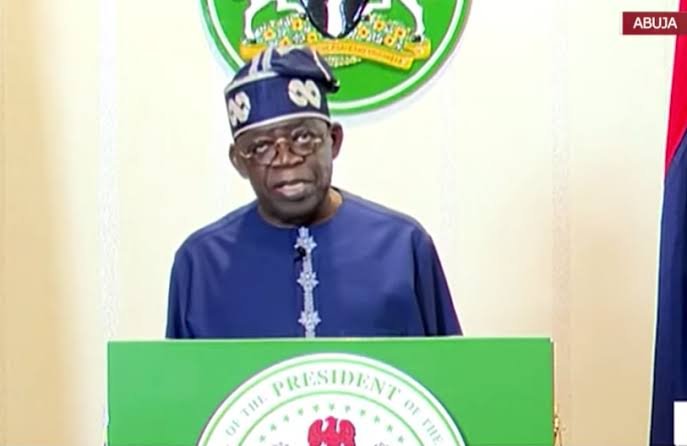
A worsening security crisis has again focused international attention on Nigeria, as President Bola Tinubu held talks with French President Emmanuel Macron while US fact finders arrived in the country to assess the situation. The meetings reflect growing concern among global partners about insecurity in Africa’s most populous nation and the wider implications for regional and international stability.
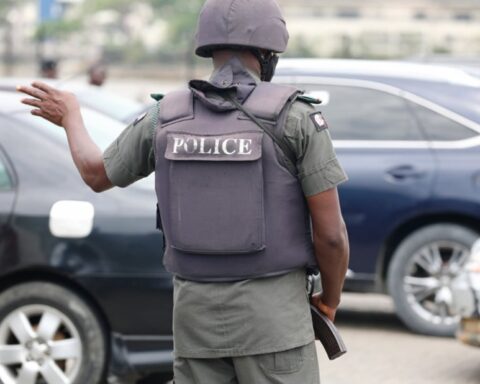
A clear reality resides at the center of these engagements: Nigeria’s security challenges have transcended mere internal affairs. Banditry in the North West, insurgency in the North East, and kidnappings across major highways, rising urban crime-all these have persisted despite repeated assurances from the government. The presence of US fact finders and high level talks with France signifies that indeed Nigeria’s allies are worried, not only by the violence, but also its spillover effects on trade, migration, and counter terrorism efforts.
From a diplomatic point of view, discussions between Tinubu and Macron show that Nigeria is interested in deepening security cooperation with France, an important West African player. France has acquired strong military and intelligence experience in the Sahel, and its interest in Nigeria would logically be an operational push toward shared intelligence, training, and possible equipment support. For Nigeria, this is an opportunity to rebuild trust with international partners after strained years of security outcomes.
The coming of US fact finders carries even greater weight, as such visits are often linked with decisions on military support, arms sales, and security partnerships. This suggests that Washington is re-evaluating Nigeria’s internal security situation and the capacity of institutions to handle threats while respecting human rights. Scrutiny can be a good thing if it translates into support that is better structured, but it also puts pressure on the Nigerian government to demonstrate clear plans with measurable results.
However, foreign interest alone is not going to solve the Nigerian security crisis. International cooperation might help in training, funding, and intelligence, but the roots of insecurity are largely homegrown. Weaknesses in policing, poor intelligence coordination, unemployment, and distrust between citizens and security agencies continue to fan the flames of instability. Unless they are tackled, high-level talks risk becoming symbolic, not effective.
There is also the fear that Nigeria seeks to depend too much on external validation rather than taking responsibility for internal reform. It is not at the conference tables that security is won; it is through sustained actions back at home. The people do not judge good leadership by international handshakes but by whether they can travel unhurt, can farm and live undisturbed. Tinubu’s talks with Macron and the arrival of the US fact finders indicate that the security crisis has reached global dimensions. That opens opportunities for support and cooperation, but also exposes a government to greater accountability. The stern test lies in whether these various engagements will translate into safer communities and restored public confidence, or Nigeria remains a country discussed abroad but still unsafe at home.