The House of Representatives has described the Economic and Financial Crimes Commission (EFCC) and the Nigerian Financial Intelligence Unit (NFIU) as critical pillars in Nigeria’s ongoing economic recovery efforts and the stabilisation of the nation’s financial system.
The lawmakers made the assessment in view of the sustained recovery of stolen public assets by the EFCC and Nigeria’s recent removal from the Financial Action Task Force (FATF) grey list, a development widely seen as a significant boost to the country’s financial credibility and global standing.
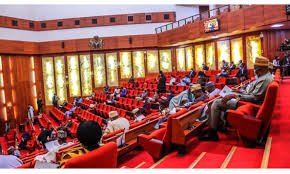
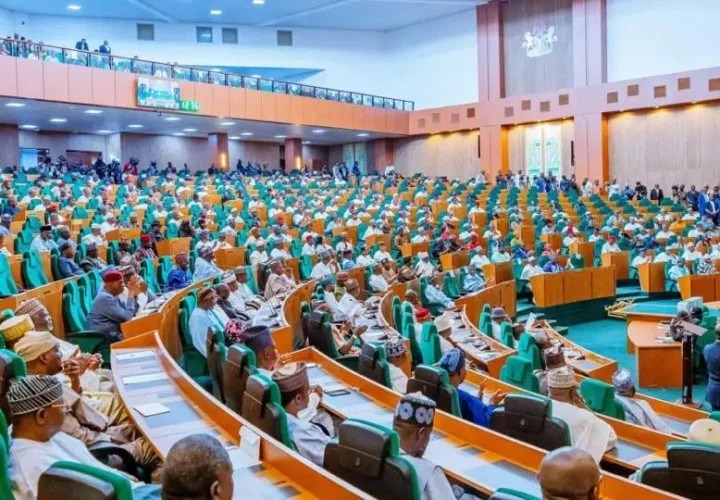
The Chairman of the House Committee on Financial Crimes, Mr Ginger Onwusibe, stated this on Monday while commending the two agencies during their 2025 budget performance review and the defence of their 2026 budget proposals at the National Assembly Complex in Abuja.
Onwusibe noted that the improved collaboration between the EFCC and the NFIU has played a major role in strengthening Nigeria’s anti-money laundering and counter-terrorism financing framework. According to him, the synergy has enhanced intelligence sharing, improved enforcement outcomes, and helped to close gaps previously exploited by financial criminals.
He said the impact of the collaboration is already being felt, pointing to the country’s exit from the FATF grey list as clear evidence of renewed international confidence in Nigeria’s financial system.
“The coordinated efforts of the EFCC and the NFIU have not only led to increased asset recoveries but have also reassured the global community of Nigeria’s commitment to financial transparency and accountability,” Onwusibe said.
He added that the House of Representatives would continue to support the two agencies through effective oversight and adequate funding to enable them to sustain the momentum in the fight against financial crimes.
Officials of the EFCC and the NFIU, in their separate presentations, highlighted achievements recorded during the 2025 fiscal year and outlined strategic priorities for 2026, including enhanced use of technology, capacity building, and deeper inter-agency cooperation.
The lawmakers expressed optimism that with sustained collaboration and legislative backing, the agencies would further contribute to economic stability, investor confidence, and long-term growth of the Nigerian economy.