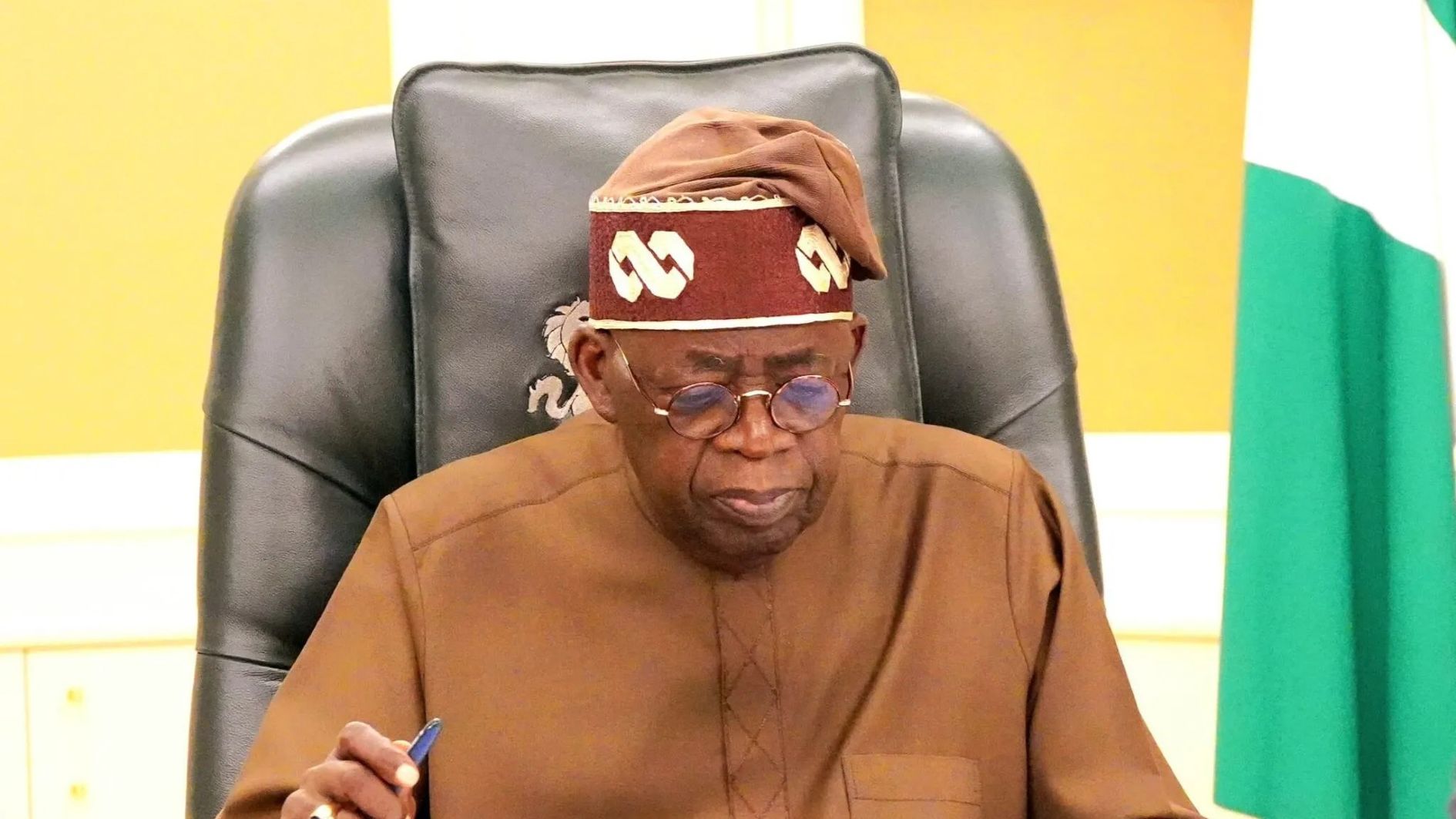
The Presidency on Wednesday, October 7, 2026, officially acknowledged that an increasing number of Nigerians have been pushed into poverty since President Bola Ahmed Tinubu took office.
However, officials maintained that the economic downturn is an unavoidable, temporary consequence of long-overdue structural reforms aimed at rebuilding the nation’s financial system.
Speaking during a live appearance on Channels Television’s current affairs program Politics Today at 7:00 PM, Special Adviser to the President on Policy Communication, Daniel Bwala, addressed the country’s worsening cost-of-living crisis.
”More Nigerians have slipped into poverty as a result of the economic reforms, but we had no choice,” Bwala stated during the broadcast. “There was no way reforms of such magnitude, like fuel subsidy removal and foreign exchange unification, could be implemented without causing short-term hardship. The government had to take these tough decisions to prevent a complete collapse of our economy.”
Bwala argued that while macro-level adjustments have created severe microeconomic pressures for millions of households, the policies are laying the groundwork for sustainable long-term stability.
During the televised session, the presidential aide also pushed back against a recent critique by The Economist regarding public dissatisfaction with President Tinubu’s administration, dismissing the report’s methodology as “watery and lacking substance.”
To counter the growing hardship, the Presidency emphasized that the administration is expanding several social safety net programs, including direct cash transfers to vulnerable households, the Nigerian Education Loan Fund (NELFUND), and targeted agricultural credits intended to drive down food inflation.
Officials reiterated that these interventions will serve as a bridge to buffer the populace until the full benefits of the economic reforms materialise.