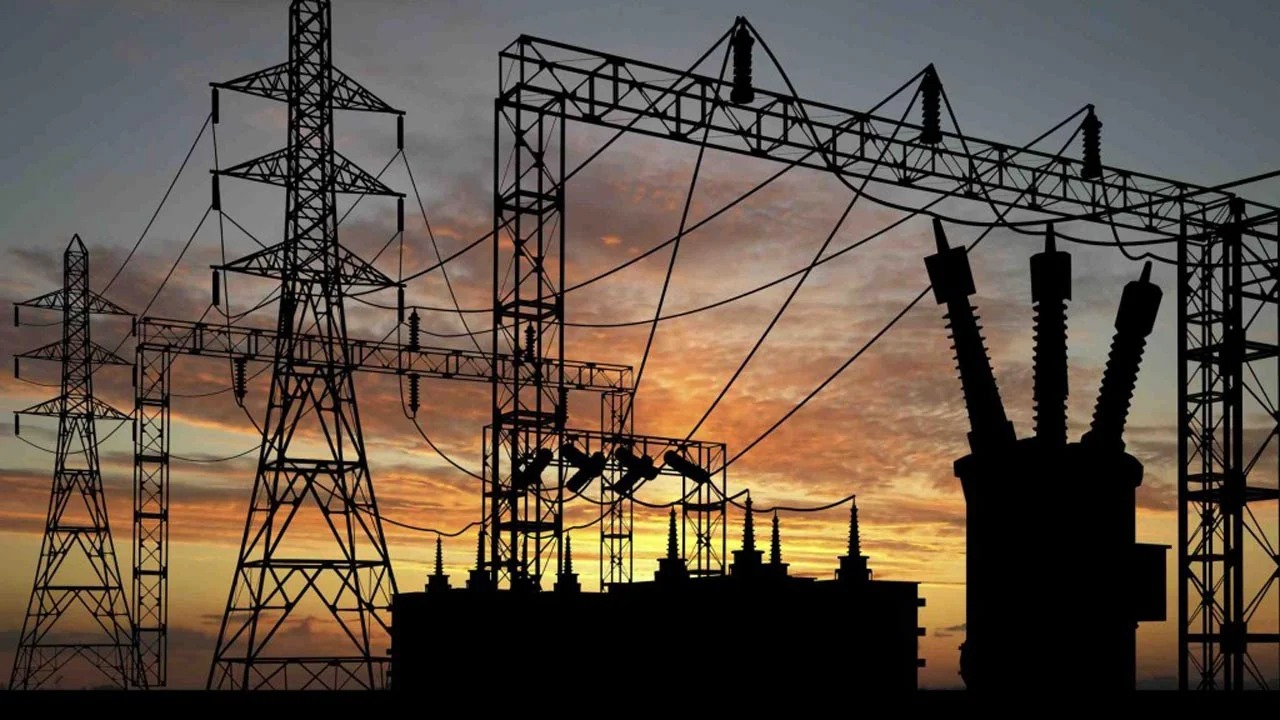
The move toward a decentralized grid is a significant shift in Nigeria’s energy policy, aimed at ending the “all-or-nothing” nature of the current National Control Centre in Oshogbo. By moving toward a sub-national or “mini-grid” model, the goal is to ensure that a failure in one region doesn’t trigger a total nationwide blackout.
The legal foundation for this change began with the amendment to the 1999 Constitution and the subsequent Electricity Act, which granted state governments the power to generate, transmit, and distribute electricity within their borders.
Only the Federal Government could manage the “National Grid.” States can now create their own regulatory bodies (e.g., Lagos, Edo, and Ekiti have already moved to establish state-level electricity markets).
Decentralization allows for the creation of islanding. If the main national grid experiences a frequency fluctuation, a state-owned power project can “island” itself disconnecting from the collapsing national infrastructure to keep local lights on.
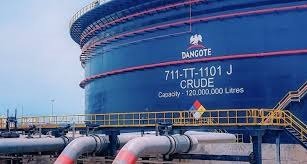
Several states are leveraging their natural resources to build these independent systems. States in the Niger Delta are focusing on utilizing “stranded gas” to fuel local turbines while northern states (like Kano and Kaduna) are prioritizing large-scale solar farms to feed local industrial hubs. Small-scale hydro projects are being revitalized in the Middle Belt.
While the policy is sound, two major hurdles remains; Building independent transmission lines is incredibly capital-intensive and Land permitting.
There is ongoing debate about whether electricity prices will vary significantly from one state to another based on their local generation costs.
For the average Nigerian, this means that in the near future, your power supply might depend more on your State Governor’s energy policy than on the national grid’s stability.