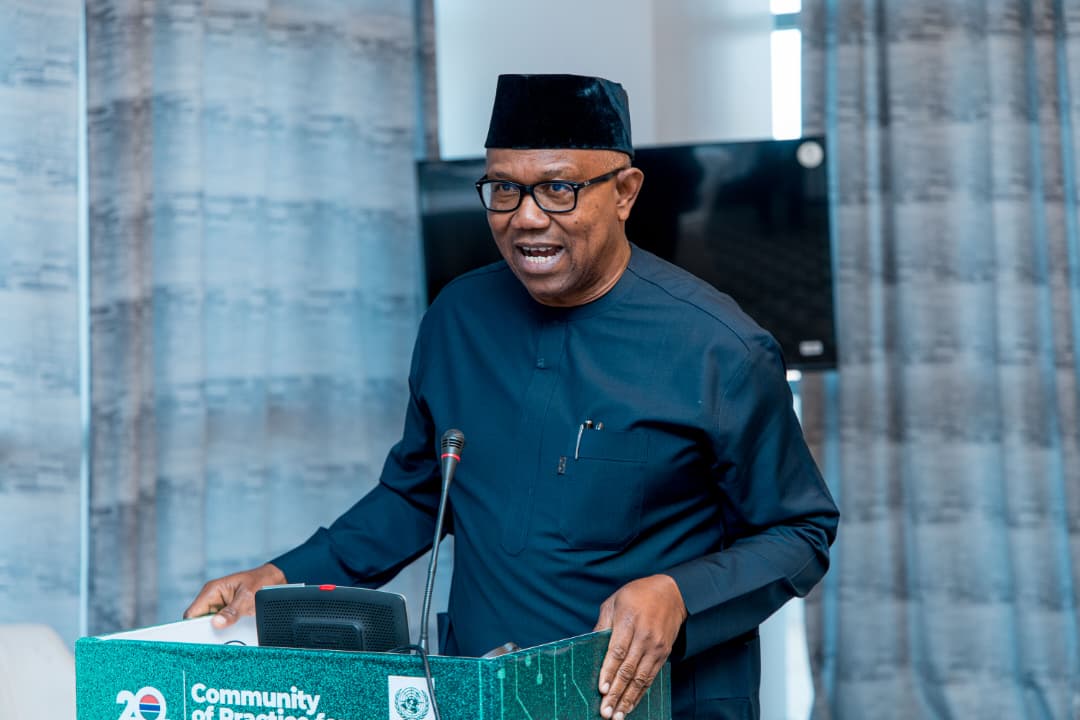
Former presidential candidate, Peter Obi, has called for immediate wage reviews and sweeping economic reforms in Nigeria, warning that worsening economic conditions are steadily eroding the value of labour and pushing millions of citizens into deeper hardship.
In a statement released on Friday to mark International Workers’ Day, Obi paid tribute to Nigerian workers across all sectors, describing them as indispensable to the country’s survival and long-term stability. He noted that despite mounting economic pressures, workers have continued to demonstrate resilience and commitment in sustaining families, communities, and institutions.
“Workers are the backbone of every nation,” Obi stated. “In Nigeria, they continue to sustain our families, communities, institutions, and national economy, even in the face of severe hardship and uncertainty.”
However, Obi expressed deep concern over what he described as the steady decline in the real value of wages, attributing it to persistent inflation, rising living costs, and broader structural weaknesses within the economy. According to him, many Nigerian workers now find it increasingly difficult to meet basic needs, despite being gainfully employed.
He warned that without urgent intervention, the situation could worsen, leading to declining productivity, increased poverty levels, and heightened social tension. Obi emphasized that the issue goes beyond salary figures, stressing that the purchasing power of workers must be a central consideration in any meaningful reform.
“It is not enough to announce wage increases,” he said. “What matters is what those wages can actually buy in today’s economy. When inflation outpaces income growth, workers are effectively earning less, even when nominal wages rise.”
The former Anambra State governor called on the government to undertake comprehensive economic reforms aimed at stabilizing prices, boosting productivity, and restoring confidence in the economy. He highlighted the need for policies that support local production, reduce dependence on imports, and strengthen the value of the national currency.
Obi also advocated targeted interventions to cushion the impact of economic hardship on vulnerable populations, including low-income earners and small business owners. He stressed that improving infrastructure, ensuring policy consistency, and tackling inefficiencies in governance would be critical to achieving sustainable economic growth.
Beyond economic measures, Obi underscored the importance of prioritizing workers’ welfare through improved working conditions, timely payment of salaries, and stronger social protection systems. He noted that a motivated and adequately compensated workforce is essential for national development.
He further urged Nigerian leaders to adopt a more people-centered approach to governance, one that places the well-being of citizens at the heart of policy decisions. According to him, economic growth must translate into tangible improvements in the quality of life for ordinary Nigerians.
As the country commemorates Workers’ Day, Obi’s message adds to growing calls from various stakeholders for a reassessment of Nigeria’s economic direction. With inflationary pressures continuing to strain household incomes, the demand for practical and impactful solutions has become increasingly urgent.
For many workers, the day serves not only as a celebration of their contributions but also as a moment to reflect on the challenges they face daily. Obi’s call for reform echoes a broader sentiment across the nation, that meaningful change is needed to ensure that hard work is fairly rewarded and that the dignity of labour is preserved.
As Nigeria navigates its current economic realities, the spotlight remains firmly on policymakers and their ability to implement reforms that will restore hope, stability, and prosperity for the country’s workforce.