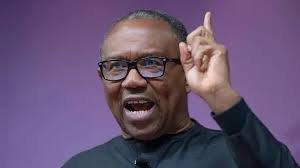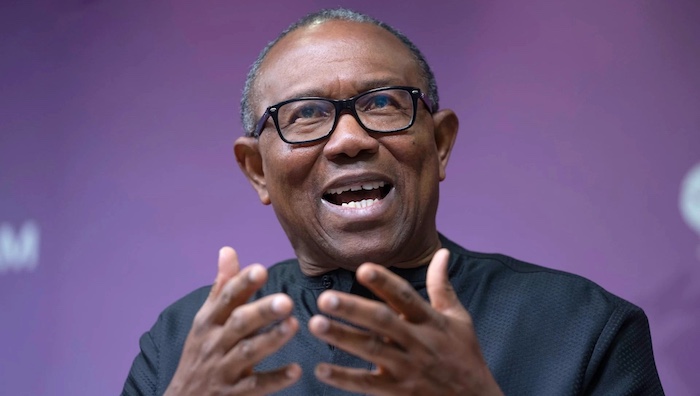
Peter Obi’s relationship with the Labour Party (LP) has moved from “complex” to a formal separation, as he has pivotally realigned himself with the African Democratic Congress (ADC) to spearhead a united opposition.
Peter Obi officially joined the African Democratic Congress (ADC) in late 2025. This move was finalized during a high-profile gathering in Enugu, where he was joined by several prominent South-East leaders, including Senator Enyinnaya Abaribe and former Deputy Speaker Emeka Ihedioha.
Obi has framed this as a strategic necessity to build a “mega-party” or a broad coalition capable of challenging the APC in 2027.
The ADC, under the national chairmanship of former Senate President David Mark, has become the primary vessel for this “Third Force” alignment.
The transition was not entirely amicable. While Obi remains the face of the “Obidient” movement, his formal ties with the LP hierarchy have frayed:
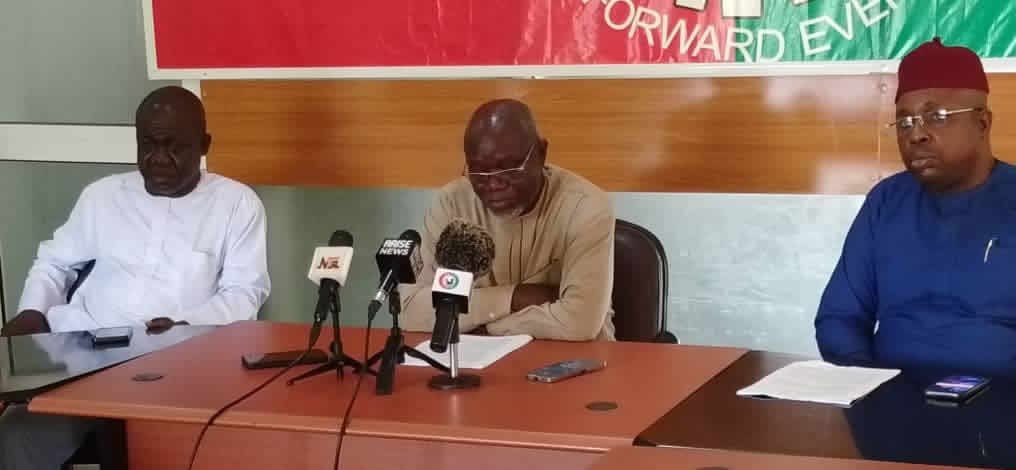
Following his exit, some factions within the Labour Party leadership described the move as a “liberation,” suggesting that the internal friction between Obi’s movement and the party’s traditional structure had become untenable.
There is an ongoing effort to migrate the grassroots energy of the Obidient movement from the LP platform over to the ADC.
The opposition is attempting to avoid the fragmentation that led to their defeat in 2023.
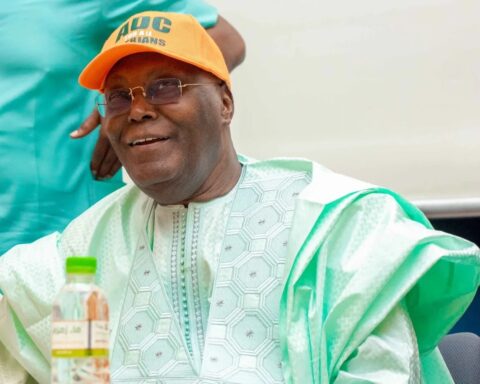
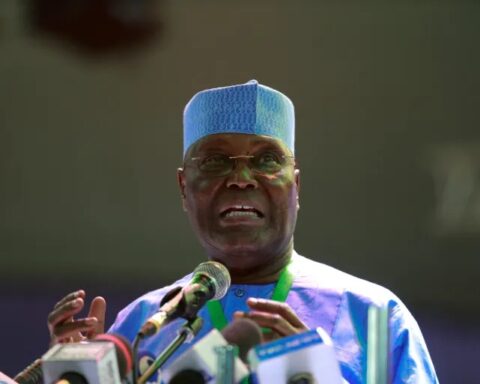
This “united front” involves a surprising mix of heavyweights like Atiku Abubakar (PDP), Nasir El-Rufai, and Rotimi Amaechi.
To facilitate this coalition, Obi reportedly submitted a proposal stating he would serve only a single four-year term if elected in 2027, aimed at easing the concerns of other regional power brokers.
While the intent is to form a “united front,” the primary challenge remains ambition management specifically, whether such a diverse group of political giants can agree on a single consensus candidate without the alliance fracturing before the 2027 polls.