Palm Sunday is a major Christian celebration that marks the beginning of Holy Week—the final week leading up to Easter.
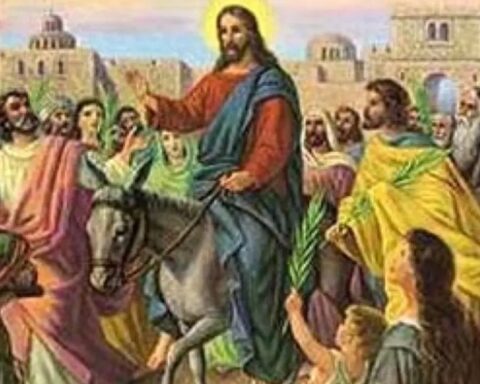
It commemorates the triumphant entry of Jesus Christ into Jerusalem, an event recorded in the Gospels.
According to biblical accounts, Jesus entered the city riding on a donkey, symbolizing peace and humility. As He made His way into Jerusalem, crowds gathered, spreading palm branches and garments on the road, shouting praises like “Hosanna!”—a word meaning “save us.” This act of laying palm branches is where the name Palm Sunday comes from.
Spiritual Significance
Palm Sunday carries deep spiritual meaning for Christians:
Fulfillment of Prophecy: Jesus’ entry fulfilled ancient prophecies, particularly in the Book of Zechariah, affirming Him as the promised King.
Symbol of Humility: Unlike earthly kings who arrive with power and grandeur, Jesus chose a humble path, emphasizing peace over conquest.
Beginning of Sacrifice: While the crowd celebrated Him as King, the same week would lead to His crucifixion—highlighting the contrast between human expectations and divine purpose.
Symbols and Traditions
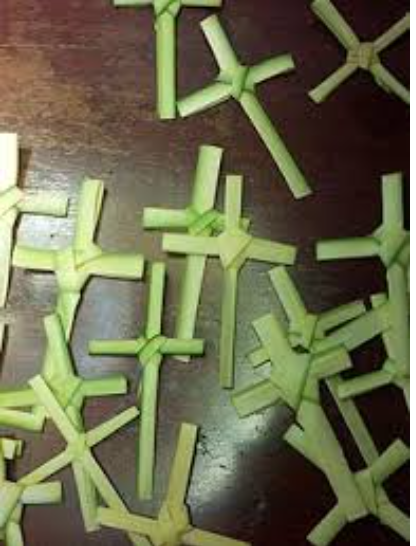
Palm Branches: Represent victory, peace, and eternal life. In many churches, worshippers carry palms during services.
Processions: Some congregations reenact Jesus’ entry with symbolic walks or marches.
Reflection: It is a day of both joy and solemn reflection, as it sets the tone for the events of Holy Week.
A Message for Today
Palm Sunday reminds believers of the importance of recognizing true kingship—not in power or wealth, but in humility, service, and sacrifice.
It challenges individuals to reflect on their faith and commitment, asking whether they follow Christ only in moments of celebration or also in times of trials.
In essence, Palm Sunday is not just a historical remembrance; it is a call to align one’s life with