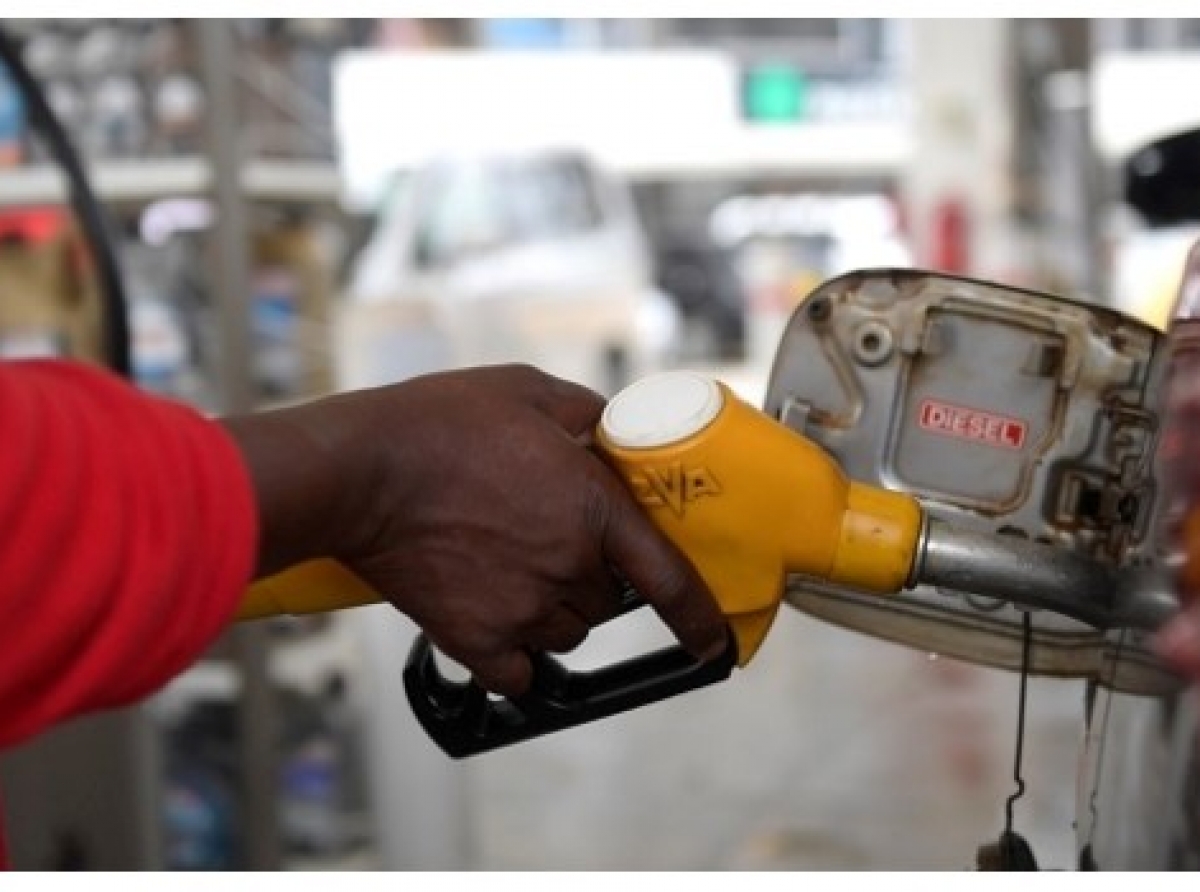
The Federal Government’s decision to introduce a five percent tax on petrol and diesel sales has triggered widespread opposition from stakeholders, who warn that the policy could worsen the economic hardship already faced by Nigerians.
The new levy, announced this week as part of the government’s revenue drive, is to be collected at the point of sale and remitted directly to the federation account. Officials say the measure will boost non-oil revenue and support funding for critical infrastructure.
But labour unions, transport operators, and civil society groups have rejected the policy, describing it as insensitive and ill-timed. They argue that the additional cost would inevitably raise transport fares, inflate commodity prices, and place more pressure on households grappling with high living costs.
The Nigeria Labour Congress (NLC) in a statement on Friday urged the government to suspend the tax, warning that it could provoke nationwide protests. “At a time when citizens are struggling with soaring inflation, insecurity, and unemployment, adding more taxes on essential commodities like fuel is reckless and unacceptable,” the statement read.
Leaders of the National Union of Road Transport Workers (NURTW) also threatened to pass the burden to commuters if the policy is not reversed. “We cannot operate at a loss. Any additional charge will reflect in fares, and it will hit the ordinary Nigerian hardest,” the union’s spokesman said.
Opposition political parties have equally seized on the development, accusing the government of being insensitive to the plight of citizens. The Peoples Democratic Party (PDP) described the levy as “a punishment on suffering Nigerians,” while the African Democratic Congress (ADC) called it “a policy designed to squeeze the poor to enrich government coffers.”
However, the Ministry of Finance defended the move, insisting that the tax was within global best practices. A senior official argued that Nigeria still has one of the lowest fuel tax rates in Africa, adding that the revenues would be transparently channeled into infrastructure and social welfare programs.
Analysts warn that unless carefully managed, the policy could heighten inflationary pressures and trigger further discontent in a country where fuel prices already account for a significant portion of household expenditure.