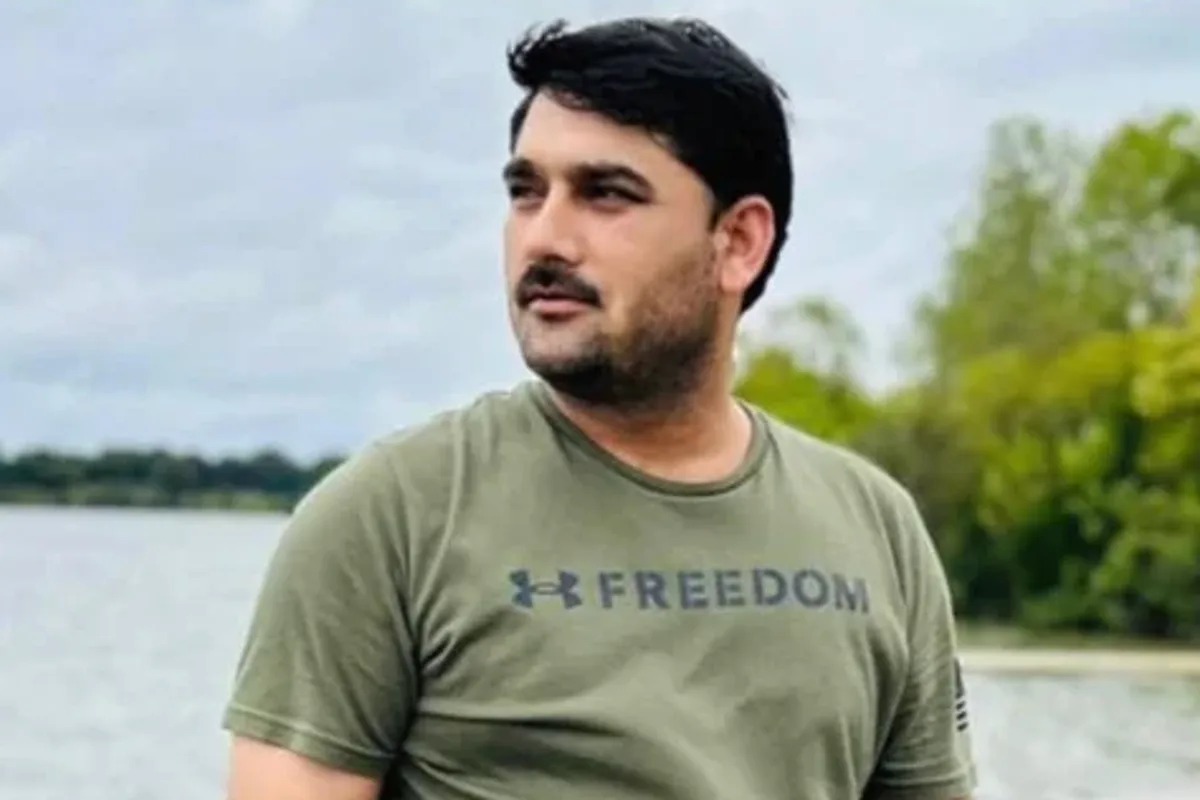
The death of an Afghan asylum seeker in the custody of U.S. Immigration and Customs Enforcement (ICE) has sparked calls for a thorough investigation after he died less than 24 hours following his arrest in the United States.
The deceased, Mohommad Nazeer Paktyawal, a 41-year-old Afghan national who previously worked with United States Army Special Forces in Afghanistan, died at a hospital in Dallas, Texas, shortly after being taken into immigration custody. Advocacy groups and resettlement organisations have described the incident as troubling and have demanded an independent review into the circumstances surrounding his death.
Paktyawal had been living in the United States since 2021 after being evacuated from Afghanistan following the withdrawal of American troops and the takeover of the country by the Taliban. He arrived in the country under the humanitarian relocation programme designed to protect Afghans who had supported U.S. military operations during the two-decade war.
According to the advocacy organisation AfghanEvac, Paktyawal had been residing in a Dallas suburb with his wife and six children while awaiting the outcome of his asylum application, which remained pending before U.S. immigration authorities.
ICE officials said Paktyawal was arrested during a targeted enforcement operation on Friday. Shortly after his detention, he reportedly complained of breathing difficulties and chest pains, prompting officers to take him to Parkland Memorial Hospital in Dallas for medical evaluation.
In a statement released by the agency, ICE explained that the situation escalated early the following morning while Paktyawal was eating breakfast.
Medical staff reportedly observed that his tongue had become swollen, triggering an emergency medical response. Despite multiple attempts by health workers to resuscitate him, he was pronounced dead at about 9:10 a.m., according to ICE.
The agency said that emergency personnel carried out several lifesaving procedures but were unable to revive him.
Paktyawal’s sudden death has prompted concern among refugee advocates and former U.S. military personnel who helped resettle Afghan allies after the war.
Leaders of AfghanEvac said the circumstances surrounding the death of a man described as previously healthy raised serious questions. The organisation noted that Paktyawal had spent years working alongside American forces in Afghanistan before being relocated to the United States with his family for safety.
Advocates argue that the fact he died within hours of entering immigration custody makes it essential for authorities to conduct a transparent inquiry into what occurred.
“It is highly unusual for an otherwise healthy 41-year-old man to die less than a day after being taken into government custody,” representatives of the organisation said while urging federal officials to release full details of the incident.
Paktyawal had reportedly been trying to rebuild his life in the United States after fleeing Afghanistan. He worked in the Dallas area and served as the primary breadwinner for his family while waiting for the resolution of his asylum claim.
Thousands of Afghans who assisted U.S. military and diplomatic missions were relocated to America after the collapse of the Afghan government in 2021. Many of them remain in legal limbo, awaiting final immigration decisions years after their arrival.
Paktyawal’s death has renewed attention on the challenges faced by these evacuees, many of whom fear deportation despite their past cooperation with American forces.
ICE said the death will be reviewed in line with federal protocols. In such cases, authorities typically notify the Department of Homeland Security oversight bodies and conduct internal investigations to determine the exact cause of death.
Officials added that the agency remains committed to ensuring detainees are held in safe and humane conditions and that medical care is provided when needed.
An autopsy and further medical examinations are expected to determine the official cause of Paktyawal’s death.
For Paktyawal’s family and supporters, however, the focus remains on seeking answers and accountability.
His death has become a powerful reminder of the complex aftermath of the Afghanistan war and the uncertain future faced by many of the country’s former U.S. allies who sought refuge abroad.