The Participatory Communication for Gender Development Initiative (PAGED Initiative) on Wednesday called on media professionals to advocate for the extension of basic education in Nigeria from nine to 12 years.
The Programme Director, Ummi Bukar, made the call during a two-day workshop for journalists on the media advocacy project for married adolescents and young mothers in Kaduna, Kano and Borno states.
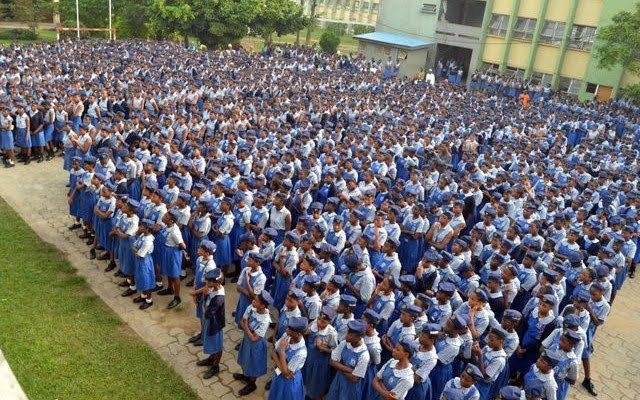
Bukar said extending Nigeria’s Universal Basic Education (UBE) policy to 12 years would improve access to secondary education, especially for girls in the three states.
She explained that while the current UBE policy guarantees free and compulsory education, it only covers junior secondary school, leaving many girls vulnerable to early marriage and school dropout.
“Extending the policy to senior secondary education would ensure that girls remain in school longer and emerge as more productive members of society,” Bukar said.
She noted that many girls are withdrawn from school around adolescence, often between ages 13 and 15, with limited opportunities for personal development or economic independence.
Bukar stressed that expanding UBE to 12 years would legally guarantee access to full secondary education and reduce the prevalence of child marriage.
She also highlighted gaps in the implementation of the Child Rights Act, noting that although the law sets 18 as the minimum age for marriage and supports re-entry for young mothers, enforcement remains weak across states.
“While the law exists, there are hardly any consequences for violations. Cases of parents being sanctioned for marrying off underage girls are extremely rare,” she said.
Bukar acknowledged government efforts to promote girls’ education through increased budgetary allocations and gender-sensitive policies, including life skills programmes.
She, however, noted challenges such as limited coverage and social barriers from families and communities.
“It is not enough to create programmes; they must reflect the realities of the target group. Many young mothers cannot return to school because there are no support systems such as childcare or flexible learning hours,” she said.
She called for stronger enforcement of existing laws, increased investment in education, and inclusive policies that address the diverse realities across states.
Bukar also urged collaboration among government, civil society and the media to promote gender-sensitive reporting and community engagement to drive policy change.