Residents of Ido-Ani in Ose Local Government Area of Ondo State have appealed to First Bank of Nigeria to reopen its branch in the community, seven years after it was shut down following a deadly armed robbery attack.
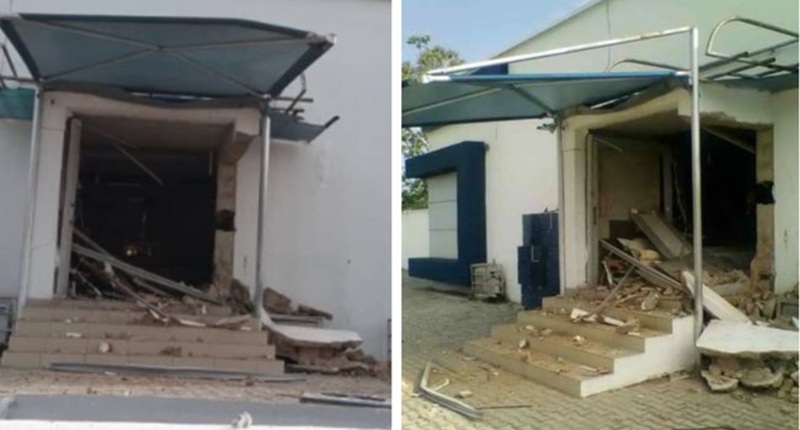
The bank’s branch was forced to cease operations after it came under attack by heavily armed robbers in April 2019 in one of the most devastating security incidents recorded in the community.
During the attack, the assailants reportedly broke into the bank’s premises, carted away an undisclosed sum of money from the Automated Teller Machine (ATM) and left a trail of destruction.
The robbery claimed the lives of no fewer than six people, including a police officer who was part of the security response and a school vice-principal, while several others sustained injuries during the incident.
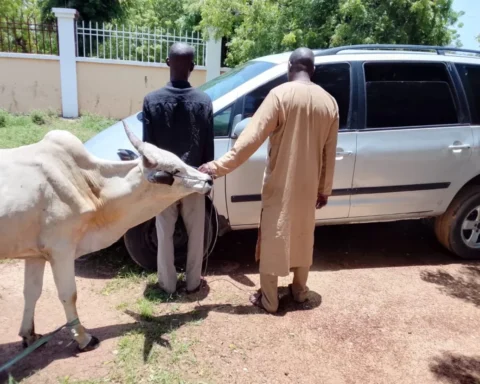
Following investigations by security agencies, one of the suspected robbers was later arrested through a joint operation involving the police and military personnel.
Since the closure of the bank after the attack, residents have continued to experience significant hardship in accessing banking services, forcing many to travel long distances to neighbouring towns to carry out basic financial transactions.
The development, according to community leaders, has negatively affected businesses, farmers, traders, civil servants, pensioners and students who depend on accessible banking facilities for their daily activities.
Speaking on behalf of concerned indigenes and residents, community leader Mr. Steve Otaloro appealed to the management of First Bank to reconsider its decision and restore banking operations in Ido-Ani.
According to him, the continued absence of the bank has slowed economic activities in the community and placed unnecessary financial and logistical burdens on residents.
Otaloro described the prolonged closure as inconsistent with the legacy of the bank’s first indigenous Managing Director, Chief Samuel Asabia, who was widely respected for promoting financial inclusion and expanding banking services to underserved communities.
He argued that reopening the branch would not only revive economic activities in Ido-Ani but would also demonstrate the bank’s commitment to supporting communities that have remained loyal customers over the years.
The community leader noted that despite the unfortunate robbery incident, residents have continued to maintain confidence in the institution and hope that it will once again establish a physical presence in the town.
He explained that many elderly residents and rural farmers face enormous challenges travelling to other towns for banking services, particularly to receive pensions, make deposits, withdraw cash or carry out other financial transactions.
According to him, the situation has increased transportation costs and exposed residents to additional risks associated with carrying cash over long distances.
He further stated that small-scale business owners have also been affected, as the lack of a nearby banking facility has complicated commercial activities and discouraged investment within the community.
Otaloro emphasized that financial institutions play a critical role in local economic development by supporting businesses, encouraging savings and facilitating access to financial services.
He appealed to the bank’s management to work with security agencies and relevant government authorities to strengthen security around the branch if concerns over safety remain.
According to him, significant improvements have been made in security arrangements since the 2019 robbery, expressing confidence that adequate measures can be implemented to protect bank personnel, customers and facilities.
Residents also urged the Ondo State Government and relevant federal authorities to support efforts aimed at facilitating the reopening of the branch, stressing that access to banking services is essential for economic growth and rural development.
Many community members believe the return of the bank would stimulate commercial activities, attract new businesses and restore confidence among investors considering opportunities within the area.
The closure of the branch has also had social implications, with many residents saying young entrepreneurs and farmers have struggled to access convenient financial services needed to expand their businesses.
Observers note that rural communities across Nigeria continue to face challenges in accessing formal banking services, despite increasing efforts to promote financial inclusion through digital banking platforms and agency banking networks.
However, many residents argue that physical bank branches remain indispensable, particularly in communities where internet connectivity, digital literacy and access to electronic banking infrastructure remain limited.
For the people of Ido-Ani, the appeal to First Bank represents more than a request for the return of a financial institution. It reflects a broader desire to restore confidence in the local economy and ensure that residents can once again enjoy convenient access to essential banking services without travelling to distant communities.
The residents expressed optimism that the bank’s management would give favourable consideration to their appeal, believing that reopening the Ido-Ani branch would not only honour the institution’s longstanding relationship with the community but also contribute significantly to economic development and financial inclusion in the area.