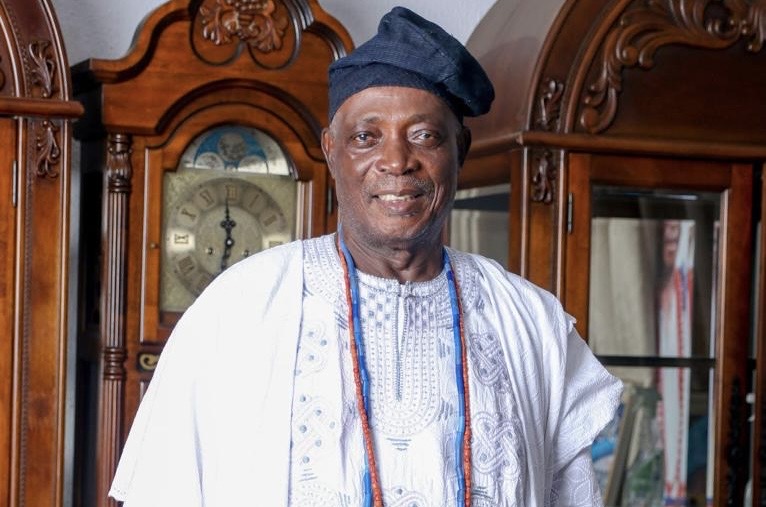
The Olubadan of Ibadanland, Oba Rashidi Ladoja, has called for the integration of traditional medicine with orthodox healthcare practice as part of efforts to improve healthcare delivery and preserve indigenous medical knowledge in Nigeria.
The monarch made the appeal on Wednesday while receiving executive members of the Pharmaceutical Society of Nigeria, Oyo State branch, during a courtesy visit to the Olubadan Palace in Ibadan.
According to a statement issued by the monarch’s Chief Press Secretary, Gbenga Ayoade, the royal father stressed the importance of preserving traditional medicine, describing it as an effective, affordable, and accessible healthcare option for millions of Nigerians.
Speaking during the meeting, Oba Ladoja said traditional medicine has continued to play a significant role in healthcare delivery, especially among rural communities and low-income populations who may not always have easy access to modern medical facilities.
“I believe in the efficacy of traditional medicine, its accessibility and affordability. So, let me use this period to advocate for the integration of traditional medicine with modern medicine for the enhancement of virile healthcare delivery before the exit of the traditional medical practitioners,” the monarch stated.
The Olubadan warned that indigenous medical knowledge built over generations could gradually disappear if deliberate efforts are not made to preserve and document the practices of traditional healers and herbal practitioners.
He noted that many traditional medical practitioners possess extensive knowledge of herbs, natural remedies, and local healing methods that have been used successfully for decades in treating various ailments.
According to the monarch, integrating traditional and orthodox medicine would not only improve healthcare outcomes but would also create opportunities for research, regulation, and standardisation of indigenous treatments.
Oba Ladoja further emphasized the need for collaboration among healthcare professionals, researchers, government agencies, and traditional practitioners to develop a healthcare system that combines the strengths of both approaches.
The royal father observed that many developed countries have embraced alternative and complementary medicine alongside conventional healthcare, urging Nigeria to explore similar models for the benefit of its growing population.
He also called for policies that would encourage scientific evaluation of traditional remedies while protecting indigenous knowledge from extinction.
Earlier in his remarks, the Chairman of the Oyo State branch of the Pharmaceutical Society of Nigeria, Segun Ajanaku, said the delegation visited the palace to congratulate the monarch on his ascension to the throne and to commend him for achievements recorded within a short period of his reign.
Ajanaku described the Olubadan as a respected leader whose wealth of experience and commitment to development continue to inspire many people within and beyond Oyo State.
He noted that pharmacists and other healthcare professionals remain committed to improving healthcare delivery across the country through advocacy, professional ethics, and support for policies capable of strengthening the health sector.
The PSN chairman also praised the monarch’s contributions to peace, stability, and cultural preservation in Ibadanland, noting that traditional institutions still have important roles to play in public enlightenment and community development.
Healthcare experts have increasingly advocated stronger collaboration between traditional and orthodox medicine, especially in Africa where large populations still rely heavily on herbal and indigenous healthcare systems.
Supporters of integration argue that proper regulation, scientific research, and quality control could help unlock the economic and medical potential of traditional remedies while ensuring patient safety.
However, experts have also stressed the need for caution, standardisation, and clinical testing to ensure that traditional treatments meet modern healthcare standards before widespread adoption.
Observers say the Olubadan’s call reflects growing national conversations about healthcare accessibility, affordability, and the preservation of indigenous knowledge systems in Nigeria.
They believe stronger institutional support for research into traditional medicine could contribute significantly to healthcare innovation, local pharmaceutical development, and improved medical services for underserved communities.
As discussions around healthcare reform continue in Nigeria, stakeholders say collaboration between traditional healers and modern medical practitioners may become increasingly important in building a more inclusive and sustainable healthcare system for the future.