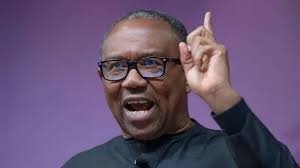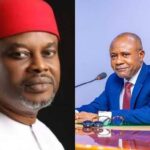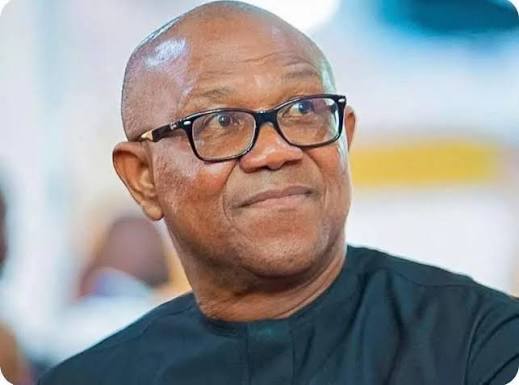
The Director-General of the Nigeria Democratic Congress (NDC) National Campaign Council, Ibrahim Abdulkarim, has urged supporters of the party’s presidential candidate, Peter Obi, to help address the former Anambra State governor’s shortcomings rather than abandon his political project over disagreements or unmet personal expectations.
Abdulkarim made the call during a televised interview on ARISE News on Friday, November 27, 2026, with reports of the broadcast circulating widely on Saturday, November 28, 2026. His remarks came amid heightened friction between the NDC campaign leadership and a faction of the Obi-Kwankwaso (OK) Movement ahead of the January 16, 2027, presidential election.
Addressing the dynamics of political loyalty and followership during the Friday broadcast, Abdulkarim maintained that no political leader is infallible and argued that committed allies bear the responsibility of identifying and managing a principal’s blind spots.
“Because while you follow a leader, there is no leader that is complete. Every leader has a gap,” Abdulkarim stated, adding that anyone working closely with a leader must recognize those shortcomings and manage them on the leader’s behalf.
He further suggested that recent defections and grievances among certain political associates stemmed from an expectation of personal validation or rewards from Obi. According to Abdulkarim, nothing compels an associate to leave unless they harbor a sense of entitlement, believing the candidate is obligated to constantly express gratitude or seek them out.
Defending the former governor’s ability to read the motives of those around him, Abdulkarim remarked that Obi sees people “10 kilometres before you even arrive” and already knows what they intend to do.
Abdulkarim’s intervention followed a formal announcement made between Thursday, November 26, and Friday, November 27, 2026, by a faction of the OK Movement led by its National Director-General, John Ozyl Ughulu.
In a statement signed by Ughulu, the group declared that it had withdrawn its grassroots political structures and campaign support from Obi, his running mate Rabiu Musa Kwankwaso, and the NDC across wards, local governments, and states.
Accusing unnamed political actors within the campaign of placing personal interests above collective goals, Ughulu’s faction also announced plans to unveil an alternative presidential candidate and party.
The rift had been brewing since late October 2026, when Ughulu faulted the composition of the NDC’s 155-member National Campaign Council, chaired by Senator Seriake Dickson with Ikenna Enekweizu serving as council secretary, and attempted to establish a parallel campaign structure.
Responding to the split both during the ARISE News broadcast and in an official press statement issued from Abuja, Abdulkarim downplayed the exit of Ughulu’s faction, insisting that a support group cannot be equated with a political party.
He explained that the OK Movement was merely a temporary vehicle created while Obi’s camp was operating within the African Democratic Congress (ADC) to secure a presidential ticket, arguing that the group had “overstayed its value” and that the campaign had moved on.
Abdulkarim also noted that Obi had previously explained on ARISE News his decision to restructure the support group and remove Ughulu, emphasizing that the broader Obidient Movement and Kwankwasiyya grassroots structures remain firmly aligned with the NDC.
Concluding that the Obidient Movement transcends any single individual, the campaign chief wished Ughulu and his loyalists well as they pursue other political platforms.