Nigeria’s custodial centres are currently facing a critical strain as systemic infrastructure deficits, prolonged pre-trial detentions, security breaches, welfare shortages, and deep-seated corruption continue to undermine the nation’s justice system.
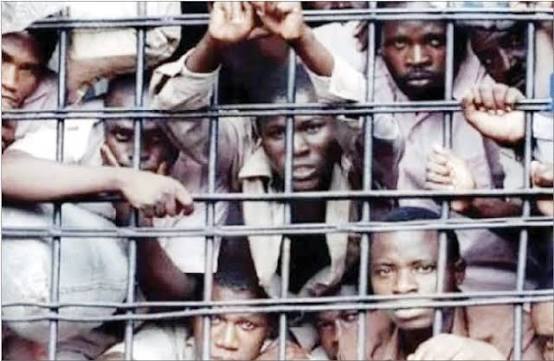
As of October 17, 2026, official figures from the Nigerian Correctional Service (NCoS) indicate that the national inmate population has reached 80,812 across facilities nationwide. Crucially, 51,955 of these individuals, representing approximately 64 percent of all detainees, are awaiting trial, leaving fewer than 29,000 convicted offenders.
Ageing structures designed for far smaller populations are stretched past break-point. In state commands such as Lagos, Controller of Corrections Daramola George disclosed during a briefing in January 2026 that facilities built for under 4,000 inmates currently hold over 8,000, forcing cells to operate at double their capacity.
Thousands of suspects languish in custody for months or years without final court verdicts due to judicial delays, inadequate legal representation, and missing case files.
The NCoS proposed ₦14.83 billion for 2026 to feed inmates at a daily rate of ₦1,125 per head. However, persistent shortfalls in capital budget releases, such as in 2025 where only ₦3.22 billion (22.2%) of the appropriated ₦14.50 billion capital fund was disbursed, have hampered healthcare delivery, sanitation, and physical security upgrades.
Insufficient funding and compromised integrity among personnel have fueled prison escapes, smuggling of contraband, and corruption that impairs inmate management and rehabilitation programs.
Speaking on the decongestion initiative, NCoS Public Relations Officer Duza Adamu emphasized that accelerating non-custodial sentencing options, including community service and probation, remains critical to reducing cell pressure.
During a legislative budget performance hearing on February 11, 2026, at the National Assembly Complex in Abuja, the Controller-General of Corrections, Sylvester Nwakuche, highlighted the severe shortfall in capital releases and urged lawmakers to prioritize funding for facility repairs, healthcare services, and correctional technology.
In response, Hon. Chinedu Ogah, Chairman of the House Committee on Reformatory Institutions, acknowledged the crucial role of the NCoS in national security while calling for immediate budgetary adjustments and structural reforms to protect the dignity and rights of persons in custody.