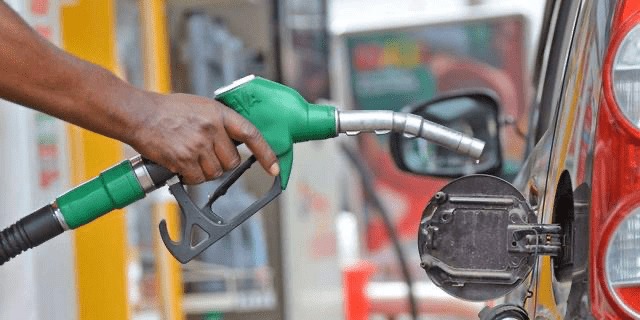
Nigeria’s daily national consumption of Premium Motor Spirit (PMS), commonly known as petrol, fell by 1.27 per cent year-on-year (YoY) in June 2026 to 47.4 million litres per day (ML/D), down from 48 million ML/D recorded in June 2025.
The figures were officially disclosed in the latest monthly Midstream and Downstream Performance Fact Sheet released on Thursday morning at the Nigerian Midstream and Downstream Petroleum Regulatory Authority (NMDPRA) headquarters in Abuja.
Speaking on behalf of the regulator, NMDPRA Corporate Communications Spokesperson, Apollo Kimchi, highlighted that the 600,000-litre daily reduction reflects ongoing demand rationalization and the long-term structural impact of downstream sector deregulation.
The steady decline in daily demand underscores the residual impact of fuel subsidy removal and full market deregulation, which has seen retail petrol prices rise by approximately 550% since June 2023.
Despite the year-on-year contraction, daily consumption in June 2026 showed a modest 2.4% recovery compared to May 2026 (46.3 million litres/day). Peak demand over the past 12 months was recorded in December 2025 at 63.7 million litres/day, while the lowest was recorded in September 2025 at 43.8 million litres/day.
Total daily PMS supply receipts reached 50.6 million litres/day in June. Domestic refineries led by the Dangote Petroleum Refinery, supplied 32.5 million litres/day, accounting for nearly 64% of domestic receipts, while imported volumes made up the remaining 18.1 million litres/day to ensure national supply stability.
Daily average receipts for Automotive Gas Oil (AGO/diesel) stood at 16.2 million litres, Aviation Turbine Kerosene (ATK) at 2.5 million litres, and Liquefied Petroleum Gas (LPG/cooking gas) at 5.1 kilotonnes (KT).
Addressing reporters during the morning briefing at the NMDPRA Auditorium in Central Business District, Abuja, Kimchi noted that Nigeria’s downstream market is continuing its transition toward energy efficiency and reliance on local refining.
”The steadying of daily demand around the 47 to 50 million litre mark demonstrates a structural realignment in consumer habits following market deregulation,” Kimchi stated. “With domestic refining capacity continuing to expand, our focus remains on maintaining stock sufficiency, preventing market distortions, and ensuring transparent supply tracking across all distribution channels.”
According to NMDPRA data, national stock sufficiency for petrol stood at 19.7 days at the end of June 2026, while diesel inventory buffers improved to 37.1 days, supported entirely by domestic refiners.