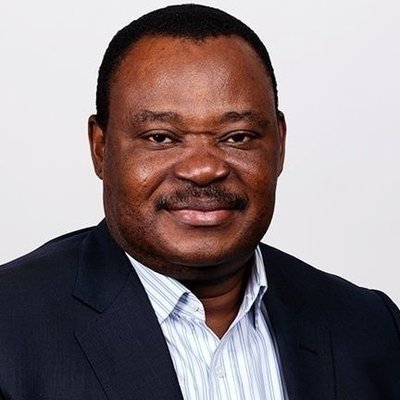
The Senator representing Ondo South, Jimoh Ibrahim, has said Nigeria’s exclusion from the list of the world’s most indebted nations underscores what he described as disciplined fiscal coordination under President Bola Tinubu. Ibrahim, who is also an ambassador-designate, made the assertion in a statement, amid renewed public debate over Nigeria’s debt profile and borrowing pattern.
According to the lawmaker, Nigeria’s absence from the global ranking of countries with the heaviest debt burdens relative to their gross domestic product (GDP) reflects prudent economic management and improved coordination between fiscal and monetary authorities. His remarks come against the backdrop of fresh global debt data released in the fourth quarter of 2025 by the Institute of International Finance through its Global Debt Monitor.
The data, analysed by Visual Capitalist, revealed that several advanced economies currently carry total debt burdens exceeding 300 per cent of GDP. The report highlights the growing pressure on both developed and emerging markets as governments continue to grapple with rising interest rates, inflationary trends and sluggish global growth. While countries such as the United States, Japan and several European economies recorded exceptionally high debt-to-GDP ratios, Nigeria did not feature among the most heavily indebted nations on the list.
Ibrahim argued that this outcome should be viewed within the broader context of economic reforms introduced by the Tinubu administration, including measures aimed at expanding revenue generation, reducing fiscal leakages and improving debt management strategies. He maintained that while Nigeria continues to borrow to finance infrastructure and development projects, the country’s debt exposure remains within manageable thresholds compared to many advanced economies.
He added that the administration’s focus on increasing non-oil revenue, deepening tax reforms and attracting foreign direct investment is gradually strengthening the country’s fiscal position. The senator further noted that public discourse on Nigeria’s debt profile should consider not only the nominal size of the debt but also its sustainability, structure and the capacity of the economy to service it without undermining growth.
Nigeria’s debt profile has been a recurring subject of national debate, particularly following recent reforms such as fuel subsidy removal and exchange rate unification, which were introduced to stabilise public finances and boost investor confidence. Economic analysts, however, continue to urge caution, emphasising the need for transparency in borrowing, improved revenue mobilisation and sustained structural reforms to ensure long-term debt sustainability.
As global debt levels reach historic highs, Ibrahim’s comments signal the administration’s effort to frame Nigeria’s fiscal standing within a comparative global perspective, arguing that relative performance, rather than isolated figures, offers a clearer picture of the country’s economic trajectory.