Amid a voluntary evacuation program fueled by nationwide anti-immigration protests and fears of xenophobic violence, the Federal Government of Nigeria has directed returning citizens to meticulously document all assets left behind. The measure is designed to establish solid evidence of investments built over the years to support upcoming diplomatic compensation claims.
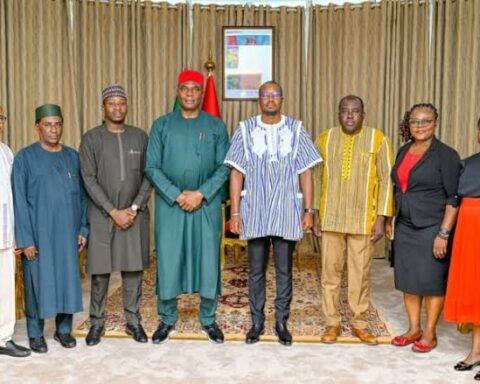
Nigeria’s Acting High Commissioner to South Africa, Alexander Ajayi, confirmed that the government’s intervention extends beyond temporary consular repatriation to actively defending the economic interests of its nationals.
”I have asked them before they left to document very accurately those things they were leaving behind in terms of businesses, in terms of even cars, movable and immovable properties,” Ajayi stated.
The compiled records will provide the legal and financial foundation for formal diplomatic engagements. Preliminary discussions have already commenced between Nigerian mission officials and South African authorities, including South Africa’s Deputy Minister of Finance, to address the fate of these abandoned assets.
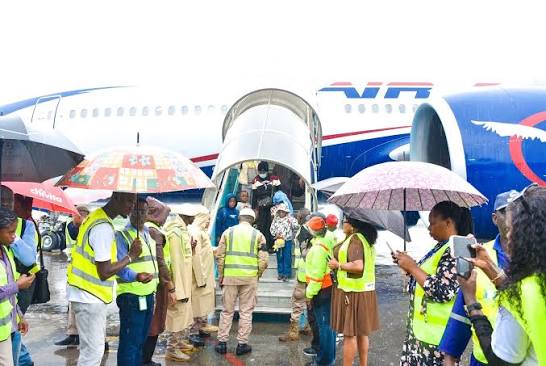
The demand for financial restitution follows the voluntary repatriation of hundreds of Nigerians from South Africa. The evacuation was triggered by heightened tensions and a series of deadlines issued by fringe anti-illegal immigration groups demanding foreign nationals vacate the country.
While South African police elevated their operational readiness to secure public spaces and infrastructure, the persistent atmosphere of intimidation led hundreds of foreign nationals to prioritize their immediate safety over their livelihoods.
Whether Pretoria will formally accept liability for privately owned assets abandoned during civil unrest remains to be seen. Historically, South African officials have resisted state-level compensation demands following previous outbreaks of xenophobic violence, often advising affected foreign nationals to seek restitution through private insurance channels.
However, Abuja’s proactive move to gather formal documentation indicates a readiness to elevate the economic rights of its diaspora into a core bilateral issue between Africa’s two largest economies.