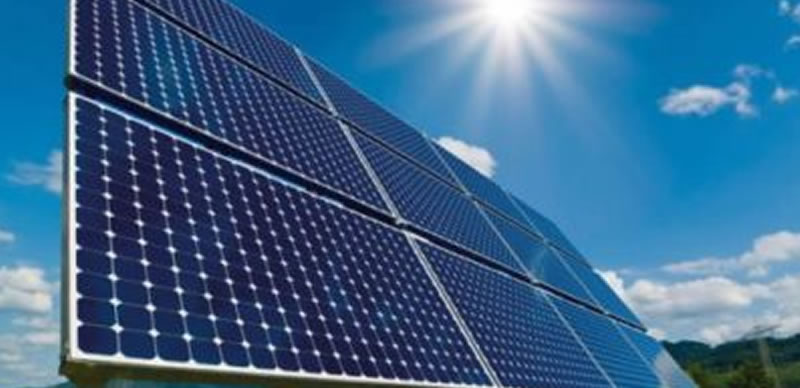
Nigeria is positioning itself for a major transformation of its electricity sector, with ambitious plans to increase its power generation capacity to 209,000 megawatts by 2050 through a combination of conventional and renewable energy sources, particularly large-scale solar power projects.
This is according to a report by IIR, which revealed that 53 large-scale renewable solar energy projects valued at approximately $11 billion are currently underway across the country.
The report highlights Nigeria’s growing commitment to renewable energy development and underscores increasing investor confidence in the nation’s solar power sector as authorities seek long-term solutions to persistent electricity shortages and limited energy access.
According to the findings, the 53 projects form part of a broad pipeline of renewable energy investments designed to diversify Nigeria’s energy mix, reduce dependence on traditional fossil fuel-based generation, and accelerate the country’s transition toward cleaner and more sustainable energy sources.
The projects are spread across different regions of the country and are expected to play a crucial role in improving electricity supply, particularly in underserved and off-grid communities where access to reliable power remains a major challenge.
Nigeria, Africa’s most populous nation, has for decades struggled with inadequate electricity generation despite its vast natural resources and growing economy. Industry experts have repeatedly argued that expanding renewable energy infrastructure is essential to bridging the country’s energy deficit and supporting economic growth.
The IIR report noted that investor interest in Nigeria’s renewable energy market has continued to rise due to increasing demand for electricity, favourable solar irradiation levels, and government efforts to encourage clean energy investments.
The ongoing projects are expected to significantly contribute to the country’s long-term electricity goals and support national development objectives by providing additional power generation capacity capable of meeting future demand.
Energy analysts believe the expansion of solar infrastructure could transform the country’s energy landscape by providing cleaner, more affordable, and more reliable electricity to households, businesses, industries, schools, and healthcare facilities.
The report further indicated that solar power has become a central pillar of Nigeria’s energy transition strategy, with policymakers increasingly viewing renewable energy as a practical solution to energy access challenges and environmental concerns.
With abundant sunshine throughout most parts of the year, Nigeria is considered one of the countries with the greatest solar energy potential in Africa. Experts estimate that harnessing even a fraction of this potential could significantly improve electricity availability and reduce pressure on the national grid.
The proposed expansion to 209,000 megawatts by 2050 represents one of the most ambitious energy development targets in the country’s history and reflects the government’s long-term vision of achieving universal access to electricity while supporting industrialisation and economic diversification.
Stakeholders say achieving such a target will require substantial investment in generation, transmission, and distribution infrastructure, as well as policy consistency and regulatory reforms aimed at attracting private-sector participation.
The $11 billion worth of solar projects currently being tracked are expected to generate thousands of jobs during construction and operation phases while stimulating economic activities in host communities.
Beyond electricity generation, experts note that the projects could also contribute to environmental sustainability by reducing carbon emissions and supporting global efforts to combat climate change.
The expansion of renewable energy infrastructure is also expected to strengthen energy security by reducing reliance on gas-powered plants and other conventional sources that are vulnerable to supply disruptions and operational challenges.
Industry observers believe that successful implementation of the projects could position Nigeria as a regional leader in renewable energy development and create opportunities for technology transfer, skills development, and increased foreign direct investment.
Furthermore, the growth of the solar sector is expected to encourage innovation in areas such as battery storage, mini-grid deployment, smart energy systems, and rural electrification initiatives.
The report comes at a time when many African countries are increasingly embracing renewable energy as a pathway to sustainable development and economic resilience.
For Nigeria, the success of the ongoing solar projects could mark a turning point in the country’s quest to overcome decades of electricity shortages that have constrained business growth and affected the quality of life of millions of citizens.
As work progresses on the 53 projects, stakeholders remain optimistic that the investments will not only boost electricity generation but also support broader national goals, including poverty reduction, industrial expansion, job creation, and improved living standards.
With a projected 209,000MW generation target on the horizon and billions of dollars flowing into renewable energy development, Nigeria appears set to embark on one of the most significant energy transformations in its history, with solar power expected to play a leading role in shaping the future of the country’s electricity sector.