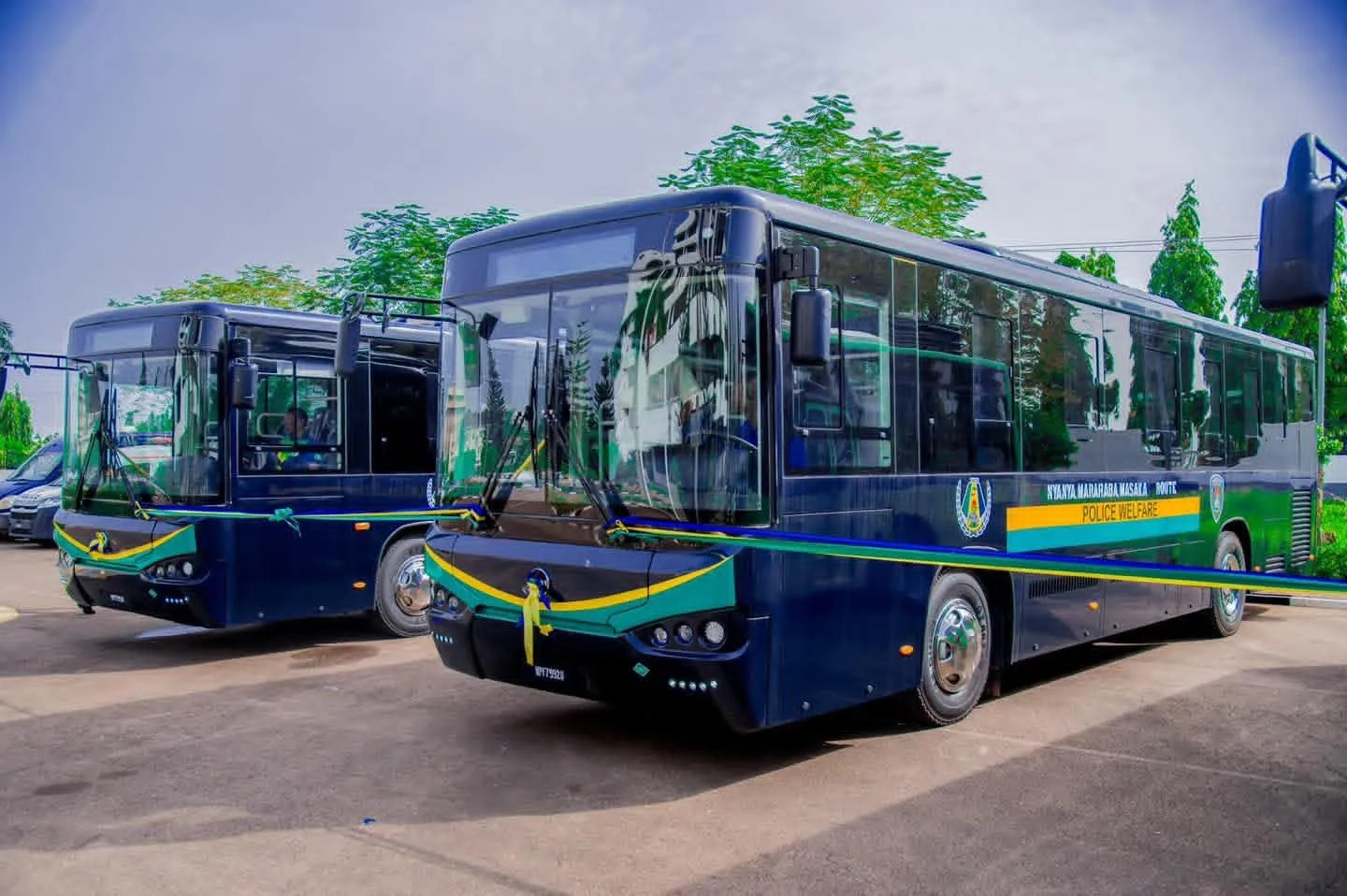
The Nigeria Police Force has begun transitioning to cleaner energy and modern operations after receiving three specialised buses powered by compressed natural gas (CNG).
The vehicles were donated on 21 April 2026 by the Nigeria Police Trust Fund and the Presidential Initiative on Compressed Natural Gas and Electric Vehicles, marking the force’s first formal step toward green policing.
Officials say the move is part of a broader plan to cut fuel costs, reduce environmental impact, and improve mobility for officers across Nigeria.
Why it matters
Nigeria’s heavy reliance on petrol-powered vehicles has long increased operational costs for security agencies.
Switching to CNG and electric vehicles could significantly reduce expenses and align the police with global sustainability standards.
It also reflects a wider push by the federal government to promote cleaner energy alternatives amid rising fuel prices.
‘Strategic necessity’ — Police chief
The Inspector-General of Police, Olatunji Rilwan Disu, described the transition as both urgent and necessary.
“The transition to CNG and electric vehicles is a strategic necessity that aligns the Nigeria Police Force with global best practices in logistics and resource management.”
He added that the buses would improve personnel welfare and mobility.
The police chief also revealed plans to establish internal conversion centres to maintain and upgrade vehicles independently.
Long-term plan for fleet conversion
Representatives from both donor organisations said the donation is only the beginning.
They outlined plans to convert existing police vehicles to CNG nationwide, alongside training programmes to build technical capacity within the force.
This, they said, would ensure sustainability beyond the initial rollout.
Strengthening justice system collaboration
In a separate development, Mr Disu visited the Nigerian Correctional Service headquarters in Abuja to deepen cooperation within the criminal justice system.
He stressed the need for improved intelligence sharing, custodial security, and coordination between agencies.
“Effective partnership between both institutions remains critical to enhancing national security and ensuring efficiency across the justice value chain,” he said.
Historic visit — Correctional Service
The Controller-General of Corrections, Sylvester Ndidi Nwakuche, welcomed the visit, describing it as unprecedented.
“He is the first serving IGP to pay such an official visit to the Headquarters of the Service,” he said, calling it a strong sign of commitment to reform.
He also called for joint training programmes to improve professionalism and operational efficiency.
Industry and public perspective
Security analysts say both developments — cleaner energy adoption and inter-agency cooperation — could improve Nigeria’s law enforcement effectiveness.
Lower fuel costs may allow the police to redirect resources to critical areas such as intelligence and community policing.
Meanwhile, stronger collaboration between police and correctional services could help reduce delays in prosecutions and improve case management.
What’s next
The Nigeria Police is expected to expand its green fleet initiative in phases.
Authorities say future steps will include:
Nationwide vehicle conversion to CNG
Expansion of electric vehicle use
Establishment of technical maintenance hubs
Increased inter-agency training programmes