New York City Mayor Zohran Mamdani paid glowing tribute to Nigeria’s global cultural impact, stating that the vibrant influence of the West African nation and its diaspora plays a vital role in the ongoing success and identity of New York City.
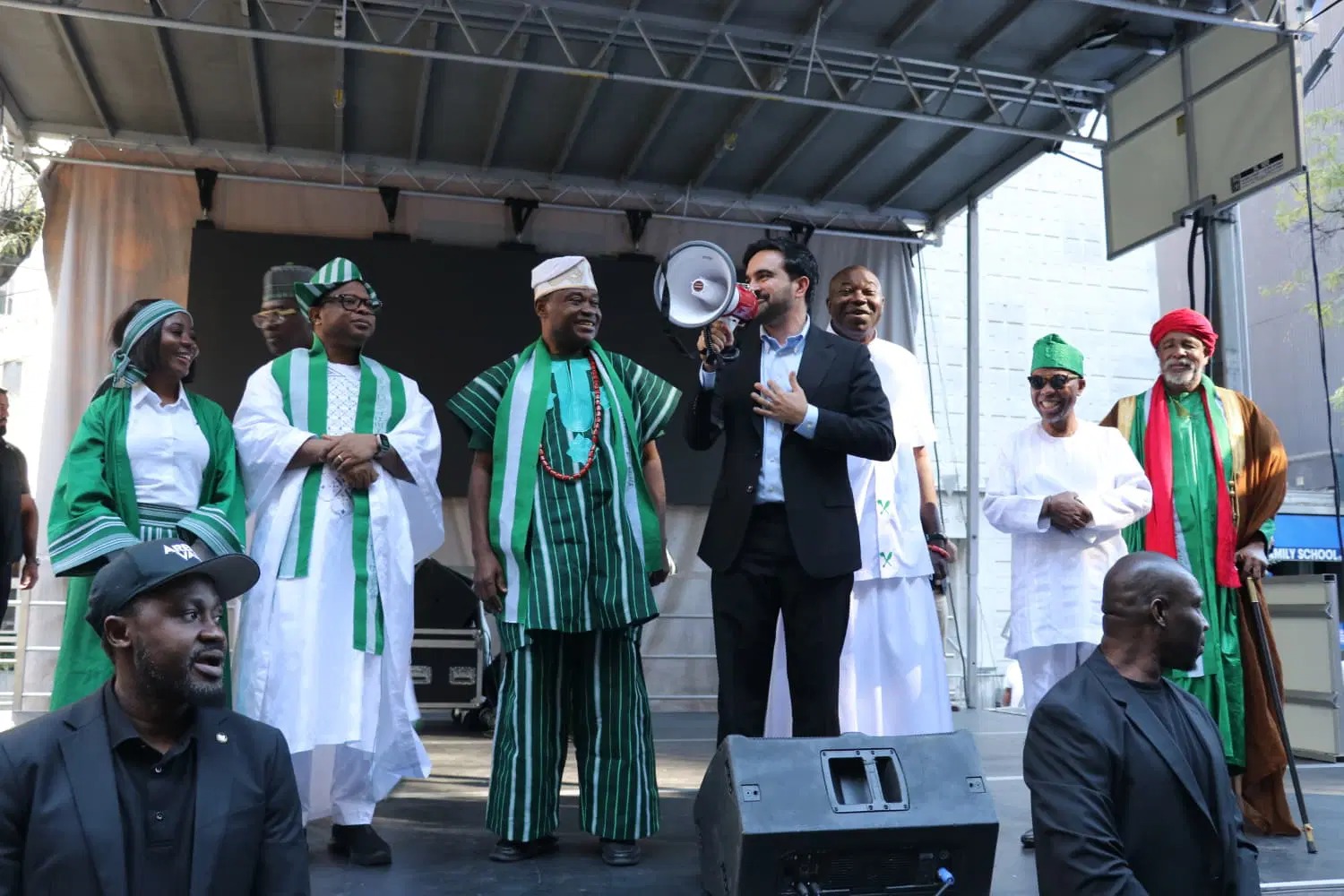
Mamdani delivered his remarks on Saturday, October 3, 2026, during the annual Nigerian Independence Carnival held at Dag Hammarskjöld Plaza near the United Nations headquarters in Manhattan.
Addressing a large gathering of Nigerian-Americans, community leaders, and international visitors celebrating Nigeria’s 66th Independence anniversary, the Mayor highlighted how Nigerian art, cuisine, sports, and music have woven themselves into the fabric of daily life across the globe.
In an impassioned speech, Mamdani, who was born in Kampala, Uganda, recalled growing up with Nigerian popular music as a staple soundtrack of his youth. He noted how Nigerian creative output serves as a unifying cultural anchor for Africans across the continent and throughout the global diaspora.
”Being someone who’s proud to be born on the continent of Africa, we all look to Lagos, we all look to Nigeria for a sense of self, a sense of belonging as well,” Mamdani told the crowd to enthusiastic applause. “Whether it’s Nigerian food, whether it’s Nigerian music, whether it’s Nigerian soccer players, we know that Nigeria is a part of our life.”
Mamdani drew cheers when he referenced classic and modern Afrobeats tracks, specifically noting his fond memories of listening to Runtown’s “From Lagos to Kampala” and quoting Patoranking’s hit single “My Woman, My Everything”.
Turning his focus to local impact, the Mayor emphasised the contributions of the hundreds of thousands of Nigerian New Yorkers living across the city’s five boroughs.
”When we look across this city, we look at what we love, we know that so much of it was made possible because of Nigerian New Yorkers like you,” Mamdani said.
The Nigerian Independence Carnival is an annual highlight organized by community institutions to showcase Nigerian heritage, foster civic engagement, and project cultural pride.
According to statements from representatives of the Organization of Advancement of Nigerians (OAN), one of the primary organizing bodies behind the festivities, the event serves not only as a cultural celebration but also as a platform to project Nigerian excellence and counter persistent negative stereotypes.
Organizers noted that cultural exchanges like the carnival highlight the profound contributions of Nigerian professionals, creators, and entrepreneurs in shaping New York City’s economic and cultural ecosystem.
The day’s events featured live performances by acclaimed Afrobeats artists, cultural dance troupes, display booths of traditional Nigerian attire, and pop-up kitchens serving iconic dishes such as jollof rice and suya.