The President, Nigerian Cancer Society (NCS), Prof. Abidemi Omonisi, has called for stronger policies, financing and health systems to improve childhood cancer care in Nigeria.
Omonisi made the call in a statement on Tuesday in Abuja, to mark Childhood Cancer Awareness Month, emphasising the need to ensure children were not left behind in Nigeria’s cancer-control response.
He said the society was supporting implementation of the Nigeria National Cancer Control Plan (NCCP) 2026–2030, particularly measures addressing the needs of vulnerable populations, including children.
“Childhood cancer remains a critical public health concern, affecting children, families and communities across Nigeria.
“Beyond the medical challenges, a diagnosis of cancer in childhood can place significant emotional, social and financial burdens on families, while delays in diagnosis and limited access to specialised treatment can further affect outcomes.
“As Nigeria continues to strengthen its cancer control response, there is an urgent need to ensure that children are not left behind,” he said.
According to him, sustainable financing, improved cancer infrastructure, trained healthcare professionals, essential medicines, diagnostics and stronger referral systems are necessary to improve outcomes.
Omonisi also emphasised the importance of early recognition and prompt referral, urging families, communities and healthcare workers to recognise possible childhood cancer warning signs and seek medical attention without delay.
“Early detection saves lives,” he said, adding that NCS was using public education, webinars, community engagement and awareness campaigns to improve cancer literacy.
He said greater attention to childhood cancer research was needed to understand cancer patterns in Nigeria, strengthen diagnostic capacity and develop interventions suited to Nigerian children and their families.
“Research is essential to understanding the cancer burden in Nigeria and developing context-specific solutions,” Omonisi said.
The NCS president said cancer care should extend beyond treatment, noting that survivors could require long-term psychosocial, educational and medical support.
He added that parents and caregivers also needed information, emotional support and assistance in navigating the healthcare system, emphasising that survivorship was an important component of comprehensive cancer control.
Omonisi called for a whole-of-society approach involving government, healthcare professionals, parents, schools, communities, civil society, researchers, development partners, the private sector, media and survivors.
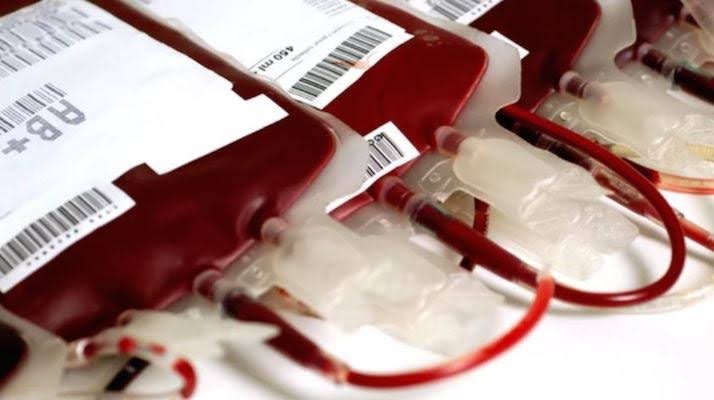
He urged Nigerians to support Childhood Cancer Awareness Month activities, including the Gold Balloon Campaign, children’s art exhibition, awareness webinar, blood donation drive and awareness walkathon.
“Every child deserves access to the care they need. Every family deserves hope and support,” Omonisi said.
He reaffirmed NCS’s commitment to strengthening cancer awareness, advocacy, research, prevention, early detection, treatment, survivorship and access to quality cancer care.
“Childhood cancer reminds us that the fight against cancer is not only about statistics; it is about protecting lives, preserving childhoods and giving families hope,” he said.