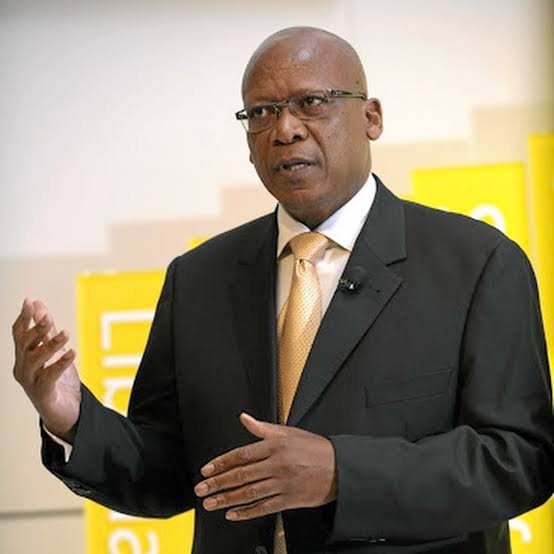
The National Association of Telecoms Subscribers (NATCOMS) says Nigeria’s telecommunications sector is entering a new era in which data, Artificial Intelligence (AI) and digital connectivity can become the backbone of economic and social life.
The President, NATCOMS, Deolu Ogunbanjo, said this in an interview while x-raying the sector’s 25 years journey since introduction of GSM in 2001.
He noted that extending reliable connectivity to rural and underserved communities would be critical to ensuring that the benefits of the next phase of Nigeria’s telecommunications revolution are shared more widely.
He stressed that the sector’s ability to realise its full potential would depend on addressing existing infrastructure gaps, improving quality of service, deploying more base stations and expanding high-capacity data networks.
Ogunbanjo had earlier identified quality of service as one of the most persistent challenges confronting telecoms subscribers in Nigeria, in spite of the sector’s remarkable growth.
He said network congestion and inadequate infrastructure remained significant problems more than two decades after GSM introduction.
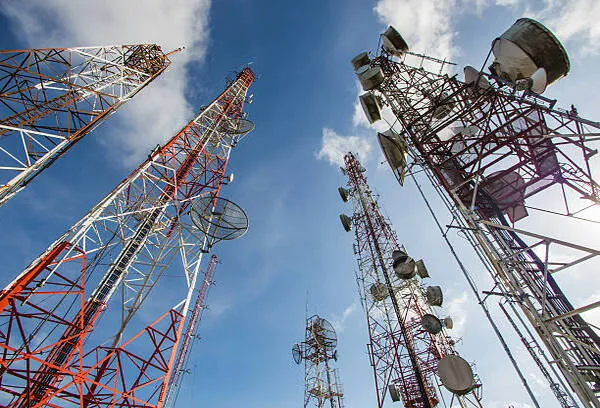
Attributing this problems to poor infrastructure, he said, “Nigeria still has fewer than 30,000 telecommunications masts despite its large subscriber base, compared with between 60,000 masts and 70,000 masts in the United Kingdom.
“We need more masts and more equipment that will enhance data provisioning.
“The growing demand for data has placed greater pressure on existing networks, making the deployment of more base stations and additional radio and transmission equipment essential,” he said.
The NATCOMS boss recalled that concerns over dropped calls and billing practices were among the issues that led to the formation of NATCOMS in the early years of GSM operations.
He noted that at the time, subscribers could lose a call after only a few seconds but still be charged for a full minute, adding that this led to the introduction of per-second billing.
Ogunbanjo said that introduction of per second billing followed pressure from consumer groups and increased competition in the market, and represented a major victory for subscribers.
He noted that another major challenge was the difficulty in expanding fibre infrastructure.
Ogunbanjo said high Right of Way charges imposed by some state governments increase the cost of deploying fibre cables and ultimately affect the cost of telecommunications services.
He commended Lagos State for maintaining relatively low Right of Way charges and urged other states to adopt policies that would make infrastructure deployment easier.
“The frequent cutting of fibre cables during road construction is also a major setback, often leading to service disruptions,” he said.
Ogunbanjo further called for greater investment in underserved and rural communities, arguing that improved access to telecommunications services would stimulate commercial and economic activities outside major urban centres.
He said the Universal Service Provision Fund should play a stronger role in extending telecom services to rural and underserved areas.
Looking ahead, Ogunbanjo said the next 25 years of Nigeria’s telecommunications sector would be shaped by greater reliance on digital connectivity, data services and Artificial Intelligence (AI).
He predicted that telecommunications would become even more central to the way people work, conduct business, attend conferences and access services.
“The next 25 years is going to be interesting because everything will basically depend on telecoms,” he said.
The NATCOMS president noted that the increasing use of webinars, virtual meetings, email and other digital platforms was already reducing the need for physical travel.
He said that artificial intelligence was beginning to transform how individuals and businesses carried out everyday tasks.
According to him, AI and digital tools will improve productivity and open new opportunities for commercial and economic engagement.
He projected that within the next decade, more Nigerians could become fully engaged in digitally-driven economic activities as access to reliable telecommunications services expanded.
However, he stressed that the sector’s ability to realise its full potential would depend on addressing existing infrastructure gaps, improving quality of service, deploying more base stations and expanding high-capacity data networks.