The Nigerian Naira continues to face renewed foreign exchange pressure heading into the final weeks of the year, with market data released on Friday morning showing a widening divergence between official and informal currency trading windows.
As of 9:20 AM. on Friday, November 20, 2026, live interbank tracking placed the spot exchange rate at ₦1,352.53 to $1, while official market benchmarks released by the Central Bank of Nigeria (CBN) in Abuja reflected a previous session close of ₦1,388.00 per dollar at the Nigerian Foreign Exchange Market (NFEM).
During Thursday’s trading session at the FMDQ Securities Exchange in Lagos, intraday transactions reached a high of ₦1,397.00/$ and a low of ₦1,370.00/$, settling at a volume-weighted average of ₦1,382.87/$ across $800.31 million in total turnover.
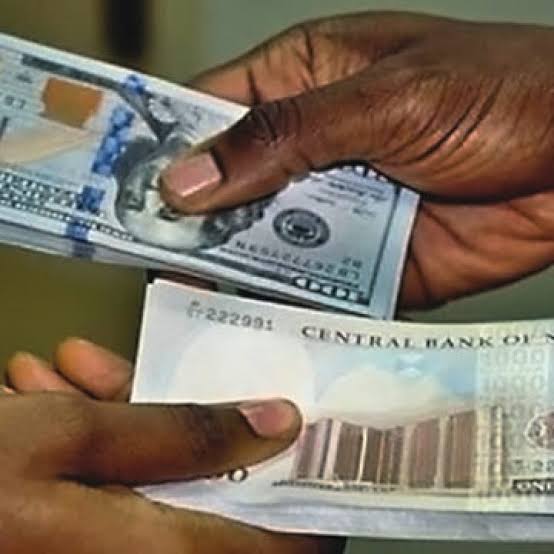
In the parallel market across major commercial hubs in Lagos (Ikeja and Broad Street) and Abuja (Wuse Zone 4), Bureau De Change (BDC) operators and informal dealers quoted selling rates between ₦1,440.00 and ₦1,468.00 per dollar on Friday morning, with buying rates hovering between ₦1,445.00 and ₦1,458.00/$. This places the spread between the official NFEM benchmark and the street rate at ₦52.00 to ₦80.00 per dollar.
Data from the Central Bank of Nigeria indicates that the country’s gross external reserves moderated by $406 million over a one-month period, dipping from $55.12 billion on October 19 to $54.71 billion as of Wednesday, November 18, 2026.
Over the same 30-day window, the naira depreciated by roughly 4.1% (₦54.50) in the official window from its October 19 rate of ₦1,333.50/$.
Financial analysts attribute the latest slide to seasonal end-of-year import demand, corporate external obligations, and a slowdown in autonomous foreign exchange inflows.
According to a market research note issued this week by Coronation Merchant Bank Limited in Lagos, weekly FX inflows dropped 67% to $807.6 million, the lowest weekly volume in five weeks, amid cautious positioning by foreign portfolio investors ahead of the 2027 pre-election cycle.
To shore up dollar liquidity and stabilize the currency ahead of December peak demand, regulatory authorities and state energy executives have moved to tighten foreign exchange oversight:
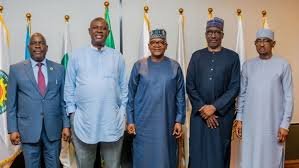
Olayemi Cardoso, Governor of the Central Bank of Nigeria: Speaking at the CBN Headquarters in Abuja on Wednesday, November 18, 2026, during the signing of a strategic Memorandum of Understanding (MoU) with the Nigerian National Petroleum Company Limited (NNPCL), Cardoso emphasized that institutional discipline and diaspora remittances had previously propelled reserves past the $55 billion threshold, an 18-year high.
He noted that aligning NNPCL’s financial operations with central bank oversight is critical to sustaining reserve buffers and fiscal stability.
Bayo Ojulari, Group Chief Executive Officer of NNPCL: Co-signing the agreement alongside Cardoso at the CBN Headquarters in Abuja, Ojulari affirmed that routing NNPCL’s domestic payments, contractor settlements, and foreign exchange conversions under CBN regulatory frameworks would enhance transparency, deepen financial discipline, and bolster dollar inflows into the official market.
Hakama Sidi-Ali, Acting Director of Corporate Communications and Investor Relations (CBN): Continuing the apex bank’s transparency push, Sidi-Ali’s office has maintained daily publication of official NFEM benchmarks and external reserve positions via the CBN Forex Portal in Abuja to curb speculative pricing across retail segments.
Market participants across Lagos and Abuja remain closely focused on how quickly the CBN-NNPCL liquidity framework translates into increased dollar supply at the NFEM window to narrow the widening parallel market premium.