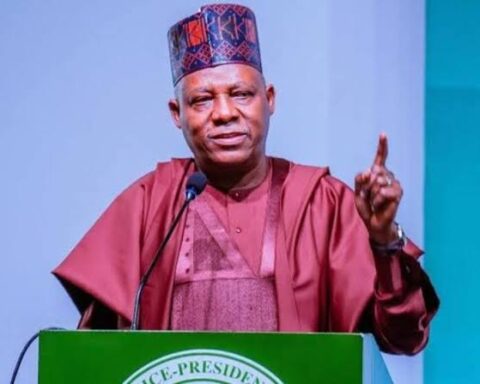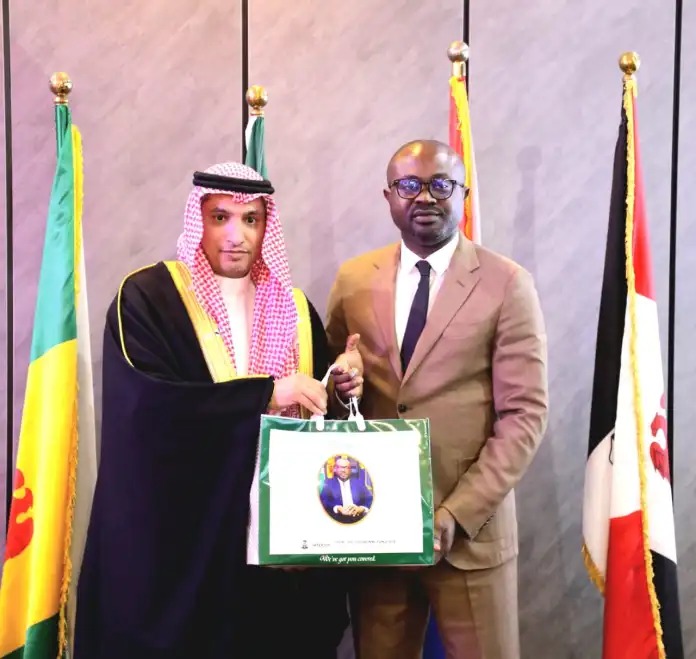
This move by Dr. Olubunmi Tunji-Ojo marks a pivot toward high-tech, data-driven security, moving away from traditional, manpower-heavy border patrols.
The Minister has specifically highlighted Saudi Arabia’s use of automated border surveillance systems. Unlike Nigeria’s porous land borders that rely heavily on physical checkpoints.
The Saudi model utilizes Digital Command Centers, Dr. Tunji-Ojo is pushing for a centralized “Situation Room” in Abuja that can monitor remote border points in states like Borno, Katsina, and Ogun via satellite and drone feeds.
A major priority for the Minister is creating a coordinated response framework similar to Saudi Arabia’s 911 Unified Operations Centers. Currently, Nigerian agencies (Police, Civil Defence, Fire Service) often operate in silos. The goal is a unified platform where a single emergency call triggers a synchronized response from all necessary agencies.
Nigeria seeks to leverage the Saudi-style digital citizen engagement platforms that allow Nigerians to report suspicious activities or emergencies directly via mobile apps, which are then geolocated by security forces.
Borrowing from Saudi Arabia’s expertise in managing millions of pilgrims during Hajj and Ramadan, Nigeria aims to modernize its own crowd and migration management.
Using biometric tracking to monitor the entry and exit of non-citizens, particularly across the ECOWAS sub-region. This ties into the Minister’s ongoing reform of the NIS (Nigeria
Immigration Service), ensuring that the passport and visa issuance process is linked to a foolproof digital identity database (NIN).
In a recent meeting with the Saudi Ambassador, Yousef bin Mohammed Al-Balawi, it was agreed that technical delegations from Nigeria would visit Riyadh to study their Civil Defence and Correctional Services infrastructure.
Dr. Tunji-Ojo’s strategy is essentially to “digitize the border.” By adopting the Saudi model, he is betting that technology can compensate for the physical vastness of Nigeria’s frontiers, making them more secure while facilitating legitimate trade and movement.