The Labour Party and the Nigeria Labour Congress on Wednesday signalled a sweeping grassroots realignment ahead of the 2027 general elections, unveiling plans to mobilise workers nationwide as polling unit agents to safeguard the party’s votes.
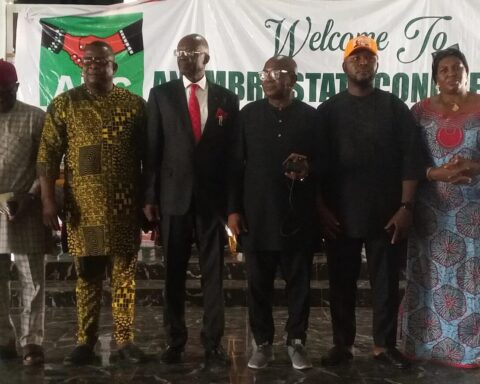
The resolution was reached at a one-day Strategic Multi-Level Stakeholders Summit of the Labour Party held in Abuja, where party leaders and organised labour representatives agreed to deepen membership registration and validation by leveraging union structures as the backbone of the party’s grassroots machinery.
Party officials said the strategy was informed by lessons drawn from the 2023 presidential election and the protracted legal contest that followed.
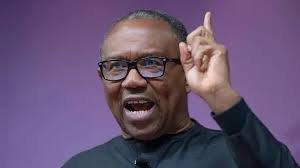
Former presidential candidate of the Labour Party, Peter Obi, had challenged the outcome of the disputed poll, which was won by Bola Tinubu of the All Progressives Congress. Obi, who ran a campaign that energised many young and first-time voters, finished third behind Tinubu and Atiku Abubakar of the People’s Democratic Party.
Rabiu Kwankwaso of the New Nigeria People’s Party placed fourth in the race, ahead of 14 other candidates.
At the heart of the Labour Party’s post-election grievances were disputes surrounding the electronic transmission of results and difficulties encountered in obtaining Form EC8A — the official polling unit result sheet required to substantiate claims at the election tribunal.
Speakers at the Abuja summit stressed that deploying trained workers as polling agents across the country would strengthen vote protection efforts, enhance transparency and ensure that results from polling units are properly documented and defended.
They also resolved to intensify grassroots mobilisation through trade union networks, describing organised labour as a ready-made structure capable of driving membership expansion and sustaining party presence in rural and urban communities alike.
According to participants, the collaboration between the party and labour unions is designed not only to improve electoral vigilance but also to reposition the Labour Party as a formidable force in 2027 through structured coordination and stronger grassroots engagement.