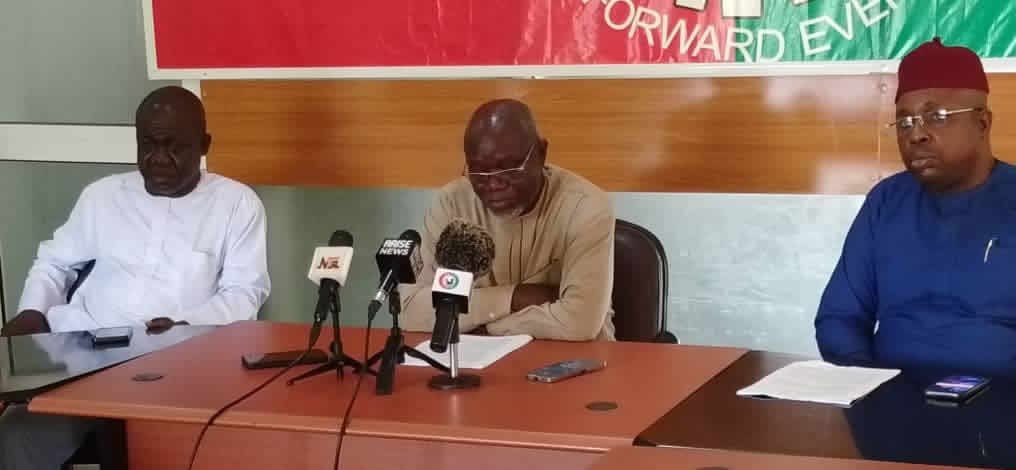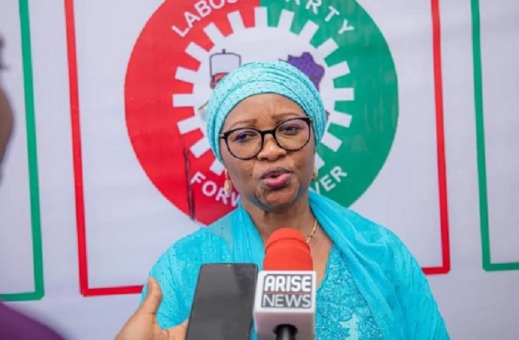
Nigeria’s political landscape ahead of the 2027 general elections took a new turn on Tuesday as a faction of the Labour Party, led by Interim National Chairman Nenadi Usman, announced a detailed timetable for its internal elections, setting May 23, 2026, for its presidential primary.
The decision, which signals an early start to the party’s electoral preparations, was reached during a National Executive Council (NEC) meeting held in Abuja. The meeting, closely monitored by the Independent National Electoral Commission, also approved May 15, 2026, as the date for governorship, National Assembly, and State Houses of Assembly primaries.
Party insiders say the move is aimed at giving the faction a strategic advantage by concluding its candidate selection process well ahead of other political contenders, while also allowing ample time for reconciliation and campaign planning before the general elections.
According to the timetable released after the meeting, the party will submit its membership register to INEC on April 15, 2026—a crucial step in validating its internal structure and ensuring compliance with electoral regulations.
Beyond scheduling, the NEC also took disciplinary measures against some members over alleged misconduct, underscoring ongoing efforts by the faction to enforce internal order and consolidate its leadership structure amid lingering divisions within the party.
Political analysts view the development as part of a broader struggle for control and legitimacy within the Labour Party, which has experienced internal rifts since the last election cycle. The existence of parallel leadership claims has continued to shape the party’s trajectory, making decisions such as the announcement of a primary timetable both politically significant and potentially contentious.
By fixing early dates for its primaries, the Usman-led faction appears to be positioning itself as organised and election-ready, while also sending a signal to supporters and stakeholders about its commitment to due process.
However, questions remain over how the faction’s decisions will align with other blocs within the party and whether the outcomes of the primaries will gain universal acceptance among members. The role of INEC in monitoring the process is expected to be critical in determining the legitimacy of the exercise.
As the countdown to 2027 gradually begins, the Labour Party’s internal dynamics are likely to remain under close scrutiny, with its ability to resolve disputes and present a united front seen as key to its electoral prospects.
For now, the announcement of the timetable marks a significant milestone, setting the stage for what could be a defining contest within the party and, ultimately, Nigeria’s broader political arena.