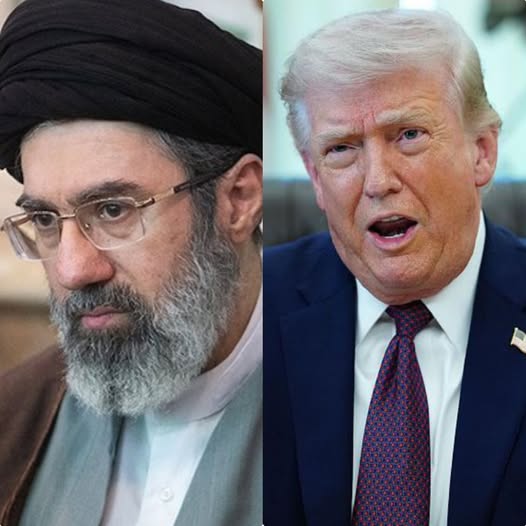
In a dramatic turn of events that sent ripples across the globe, the United States and Iran agreed to a two-week ceasefire just moments before a looming deadline set by President Donald Trump to launch devastating military action.
The agreement, reached barely an hour before the ultimatum expired on Wednesday, has been widely described as a narrow escape from what could have spiraled into a full-scale conflict with far-reaching consequences. For many around the world, the announcement brought immediate relief—but also deep concern about how fragile the peace may be.
Central to the deal is Iran’s decision to temporarily reopen the Strait of Hormuz, a vital maritime corridor through which a significant portion of the world’s oil, gas, and fertilizer shipments pass. The closure of the strait in recent days had triggered panic in global markets, sending energy prices soaring and raising fears of a prolonged economic shock.
With the waterway now accessible again, markets responded with cautious optimism. Analysts say the reopening could help stabilise supply chains and ease pressure on economies already grappling with inflation and geopolitical uncertainty. However, they warn that the temporary nature of the ceasefire means volatility could quickly return if tensions reignite.
The international community has largely welcomed the breakthrough. At the United Nations, Secretary-General Antonio Guterres issued a measured statement urging all parties to seize the moment and work toward a more durable resolution.
“This ceasefire must not be seen as an end in itself, but as an opportunity,” he said, calling on both nations and their allies to “pave the way towards a lasting and comprehensive peace.”
Yet even as diplomats expressed hope, events on the ground underscored just how precarious the situation remains. Reports of explosions in Manama, the capital of Bahrain, cast a shadow over the agreement. Authorities in Bahrain attributed the incident to what they described as “Iranian aggression,” a claim that, if substantiated, could further complicate efforts to maintain the ceasefire.
The incident highlights the broader regional tensions that extend beyond the direct standoff between Washington and Tehran. The Middle East remains a complex web of alliances and rivalries, where even isolated incidents can escalate rapidly and draw in multiple actors.
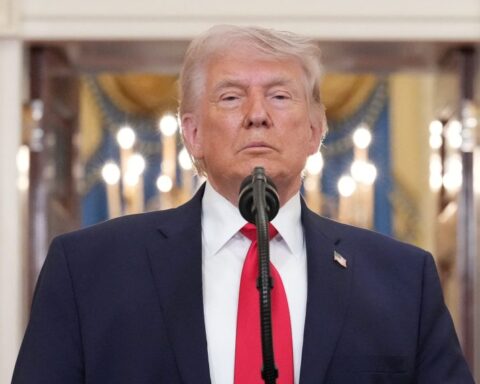
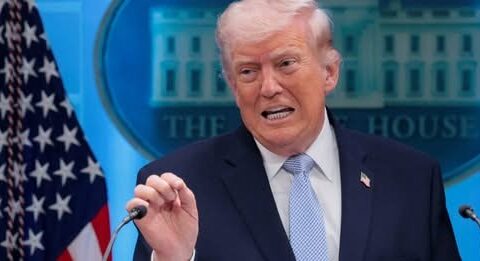
For President Trump, the ceasefire represents both a diplomatic achievement and a political balancing act. His administration had taken a hardline stance in the lead-up to the deadline, with rhetoric that alarmed critics and allies alike. The sudden shift to de-escalation may be seen by supporters as evidence of strategic leverage, while detractors argue it reflects inconsistency and risk-taking.
In Tehran, officials have framed the agreement as a necessary pause rather than a concession, emphasizing their readiness to defend national interests if provoked. This mutual suspicion on both sides raises questions about whether the ceasefire can evolve into a longer-term solution.
Experts note that the next two weeks will be critical. Behind closed doors, diplomats are expected to engage in intense negotiations aimed at addressing the underlying issues that led to the crisis. These include security concerns, regional influence, and economic sanctions—complex matters that cannot be resolved overnight.
Meanwhile, the global community watches closely. From energy markets to international shipping routes, the implications of the ceasefire extend far beyond the immediate region. Governments, businesses, and ordinary citizens alike are keenly aware that stability in the Gulf has a direct impact on everyday life around the world.
As the fragile truce takes hold, hope and anxiety exist side by side. The ceasefire may have averted immediate catastrophe, but it has also exposed the depth of the challenges that remain. Whether this moment becomes a stepping stone toward lasting peace or merely a brief pause before renewed conflict will depend on the choices made in the days ahead.
For now, the world breathes a cautious sigh of relief—mindful that in geopolitics, even a moment of calm can be as uncertain as the storm that preceded it.