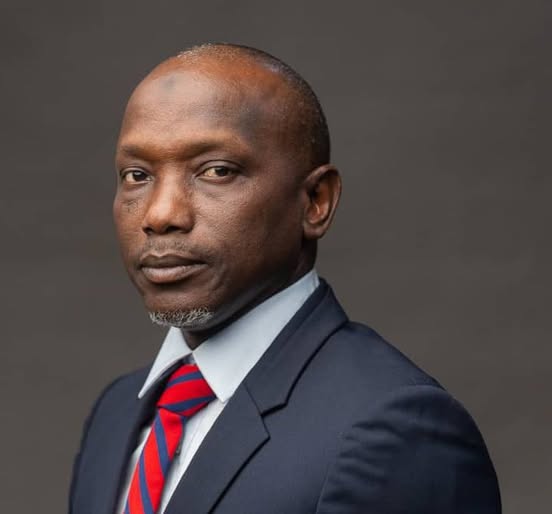
In a surprising development that signals a potential shake-up in Lagos State’s transport sector, Sola Giwa, the Special Adviser on Transportation to Governor Babajide Sanwo-Olu, has officially resigned from his position. Giwa made the announcement through a post on his official X (formerly Twitter) page on Wednesday, drawing attention from both government circles and the public.
In his message, Giwa expressed gratitude for the opportunity to serve in one of Nigeria’s most dynamic and complex urban centers. “Yesterday, I stepped down from my role as Special Adviser on Transportation to the Governor of Lagos State,” he wrote. “It has been an honor to serve and contribute to the transformation of our transport system under the THEMES+ Agenda. I remain grateful to Mr. Governor for the trust and opportunity.”
Giwa’s tenure as Special Adviser coincided with a critical period in Lagos State’s transportation sector. Under the THEMES+ Agenda—a governance framework focused on Transport, Health, Environment, Management, Education, Security, and +Economic development—the state has undertaken a series of initiatives aimed at modernizing its transportation infrastructure, improving road safety, and enhancing public transit efficiency.
Projects under his watch included the expansion of Bus Rapid Transit (BRT) lanes, regulation of ride-hailing services, and efforts to streamline traffic management across the metropolis.
Political observers suggest that Giwa’s resignation may reflect both personal considerations and evolving strategic priorities within the Lagos State government. While he did not specify the reasons for stepping down, his message maintained a tone of respect and optimism, emphasizing his satisfaction with the progress achieved during his tenure.
Industry stakeholders reacted to the news with a mix of surprise and reflection on the future of the sector. “Sola Giwa has been instrumental in implementing some of the key transportation policies in Lagos,” said a transport analyst. “His departure will certainly prompt questions about continuity, but it may also open the door for fresh perspectives and innovation in the sector.”
Within government circles, attention has turned to the implications of Giwa’s resignation for ongoing and upcoming transport initiatives. Lagos, being Nigeria’s commercial nerve center, faces persistent challenges related to traffic congestion, public transit capacity, and urban mobility. The Special Adviser on Transportation plays a pivotal role in coordinating policy implementation, stakeholder engagement, and long-term planning—making the appointment of a successor a matter of keen public interest.
Political commentators also note that such resignations are not uncommon in Lagos politics, especially among senior aides who may pursue private sector opportunities, electoral ambitions, or other public service roles. What sets Giwa’s departure apart is the timing, coinciding with ongoing transport reforms that are closely monitored by residents and investors alike.
For Lagosians, the resignation is a reminder of the human element behind public service—individuals whose decisions can influence the day-to-day experiences of millions navigating one of Africa’s busiest urban centers. Residents expressed mixed reactions on social media, with some thanking Giwa for his contributions and others expressing hope that his successor will sustain momentum in the state’s transport reforms.
Governor Babajide Sanwo-Olu has yet to publicly comment on Giwa’s resignation or announce a replacement. However, insiders suggest that the process to identify a new Special Adviser will be swift, given the importance of maintaining continuity in Lagos State’s ambitious transport agenda.
As the state awaits the next chapter in its transportation leadership, Giwa’s departure marks both an end and a transition—a moment to reflect on past achievements while anticipating the policies and strategies that will shape Lagos’ mobility landscape in the coming years.
This resignation, set against the backdrop of ongoing urban development and infrastructure projects, underscores the dynamic nature of governance in Lagos and highlights the critical role of strategic advisors in implementing transformative public policies.