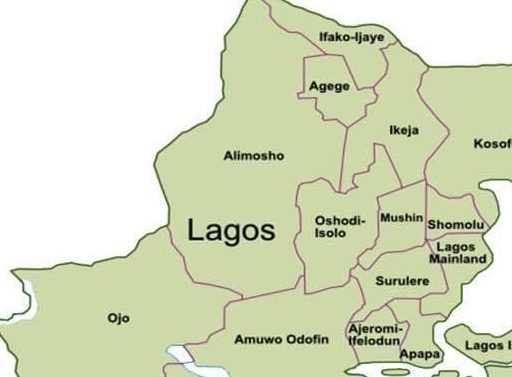
Lagos State has been ranked as the most climate-resilient city in West Africa in the 2026 West Africa Climate Governance Index (WACGI), emerging as the highest-performing sub-national government among 209 states, regions and territories assessed across the 15 member countries of the Economic Community of West African States (ECOWAS).
The recognition underscores Lagos State’s growing reputation for climate governance, environmental sustainability and resilience initiatives aimed at addressing the effects of climate change in one of Africa’s fastest-growing urban centres.
The achievement was disclosed in a statement issued on Thursday by the Special Adviser to the Lagos State Governor on Media and Publicity, Gboyega Akosile.
According to the statement, the assessment was carried out by the France-based West Africa Climate Governance Index, an independent research and evaluation body that measures climate governance and resilience performance across the West African sub-region.
The report ranked Lagos first with an impressive score of 86.3 out of 100, earning the state a prestigious Grade “A” for its performance across multiple indicators of climate governance and resilience.
The ranking placed Lagos ahead of several major cities and administrative territories across West Africa, including Kano, the Federal Capital Territory, Abuja, Greater Accra in Ghana, Praia in Cape Verde, Dakar in Senegal, Porto Novo in Benin Republic, the Abidjan Autonomous District in Côte d’Ivoire, São Filipe in Cape Verde and Bombali in Sierra Leone.
According to the statement, the comprehensive assessment examined the performance of participating governments across several critical areas, including climate-risk exposure, governance visibility, climate finance, transparency, public participation and institutional capacity for implementing climate policies.
These indicators were used to determine how effectively governments are responding to climate-related challenges while building systems capable of protecting lives, infrastructure and economic activities from the increasing impacts of climate change.
The report noted that Lagos demonstrated remarkable progress in integrating climate considerations into governance, planning and public policy, enabling it to outperform other sub-national governments within the ECOWAS region.
The assessment further stated that the state’s strong institutional framework, commitment to environmental sustainability and investment in climate adaptation initiatives contributed significantly to its overall performance.
According to the West Africa Climate Governance Index, the evaluation aligns with the objectives of the United Nations Sustainable Development Goals (SDGs), particularly SDG 13, which focuses on Climate Action, and SDG 17, which promotes Partnerships for the Goals.
The research body also noted that the assessment supports the aspirations outlined in the African Union’s Agenda 2063, especially its vision of building a prosperous, climate-resilient and environmentally sustainable Africa.
The recognition is expected to further strengthen Lagos State’s position as a leading advocate for climate action within Nigeria and across the African continent.
Over the years, the Lagos State Government has introduced various initiatives aimed at improving environmental management, strengthening flood control systems, promoting cleaner transportation, expanding waste management programmes and increasing investments in green infrastructure.
As a coastal megacity vulnerable to rising sea levels, flooding and rapid urbanisation, Lagos has continued to prioritise climate adaptation strategies designed to reduce environmental risks while supporting sustainable economic growth.
Government officials have repeatedly emphasised the importance of integrating climate resilience into urban planning, infrastructure development and public service delivery to safeguard millions of residents from the growing impacts of climate change.
Environmental experts believe the latest ranking reflects the state’s increasing commitment to climate governance, transparency and collaboration with development partners, civil society organisations and international agencies working on environmental sustainability.
The report is also expected to boost investor confidence by highlighting Lagos as a jurisdiction that is strengthening institutional capacity to manage climate-related risks while promoting sustainable development.
Observers say recognition by an independent international assessment body could encourage greater collaboration between Lagos and global climate finance institutions seeking credible partners for climate adaptation and mitigation projects.
The ranking comes at a time when cities across West Africa are facing mounting environmental challenges, including coastal erosion, flooding, heatwaves, pollution and changing weather patterns driven by global climate change.
Analysts note that effective governance, transparent institutions, citizen participation and adequate climate financing remain critical factors in helping cities prepare for and respond to these emerging threats.
By securing the top position in the 2026 West Africa Climate Governance Index, Lagos has reinforced its status as a regional leader in climate resilience and sustainable urban governance, setting a benchmark for other cities across West Africa as governments continue to develop strategies for a greener and more climate-resilient future.