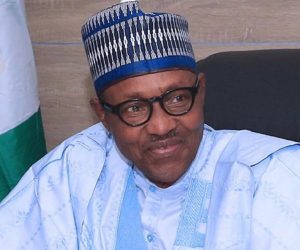
Residents of Katsina State have continued to pour glowing tributes on former President Muhammadu Buhari, praising his unwavering faith, simplicity, and humility both during and after his time in office.
In the hometown of the retired general-turned-statesman, citizens describe Buhari as a rare example of a leader who never allowed power to overshadow his values or disconnect him from the everyday people he once governed.
Speaking to journalists during a community forum held in Daura, Buhari’s ancestral hometown, local cleric Mallam Yusuf Lawal said, “We are proud of Baba Buhari. Even as president, he would come home, pray in the local mosque, greet the people humbly, and live without extravagance. His faith was his compass.”
Many residents echoed similar sentiments, pointing to his modest lifestyle as a stark contrast to the culture of excess often associated with Nigerian political elites.
“Buhari showed us that you can lead a nation and still live simply,” said Fatima Adamu, a secondary school teacher in Katsina. “He never flaunted his position. He dressed modestly, spoke calmly, and never missed his prayers. He gave our children a role model to look up to.”
The former president, who completed his second term in 2023, has maintained a quiet post-presidency, residing mostly in Daura. Locals often see him walking within the community, attending local events, and interacting with residents without heavy security or spectacle.
“Even now, he eats what we eat and sits where we sit,” said Bashir Aminu, a youth leader. “That is humility. That is leadership rooted in faith.”
Observers have also noted Buhari’s consistent commitment to Islam, his efforts to foster religious tolerance, and his promotion of ethical values during his presidency.
At the Friday congregational prayers at the central mosque in Daura, the Chief Imam praised Buhari’s dedication to his religion and his ability to separate spiritual integrity from political ambition. “He led with the fear of God,” the Imam said. “He did not use religion to divide. He used it to guide himself.”
Social commentators believe that this outpouring of appreciation from his home state highlights how deeply personal character can influence public legacy.
“Buhari may have had critics on policy grounds, but what cannot be denied is that he remained grounded and spiritually anchored,” said Dr. Rabi’u Zubairu, a sociologist at Umaru Musa Yar’adua University. “In an age of vanity, his quiet dignity resonated.”
As Katsina residents continue to reflect on the former leader’s legacy, many say they hope future leaders will emulate his moral discipline, self-restraint, and devotion to both faith and country.