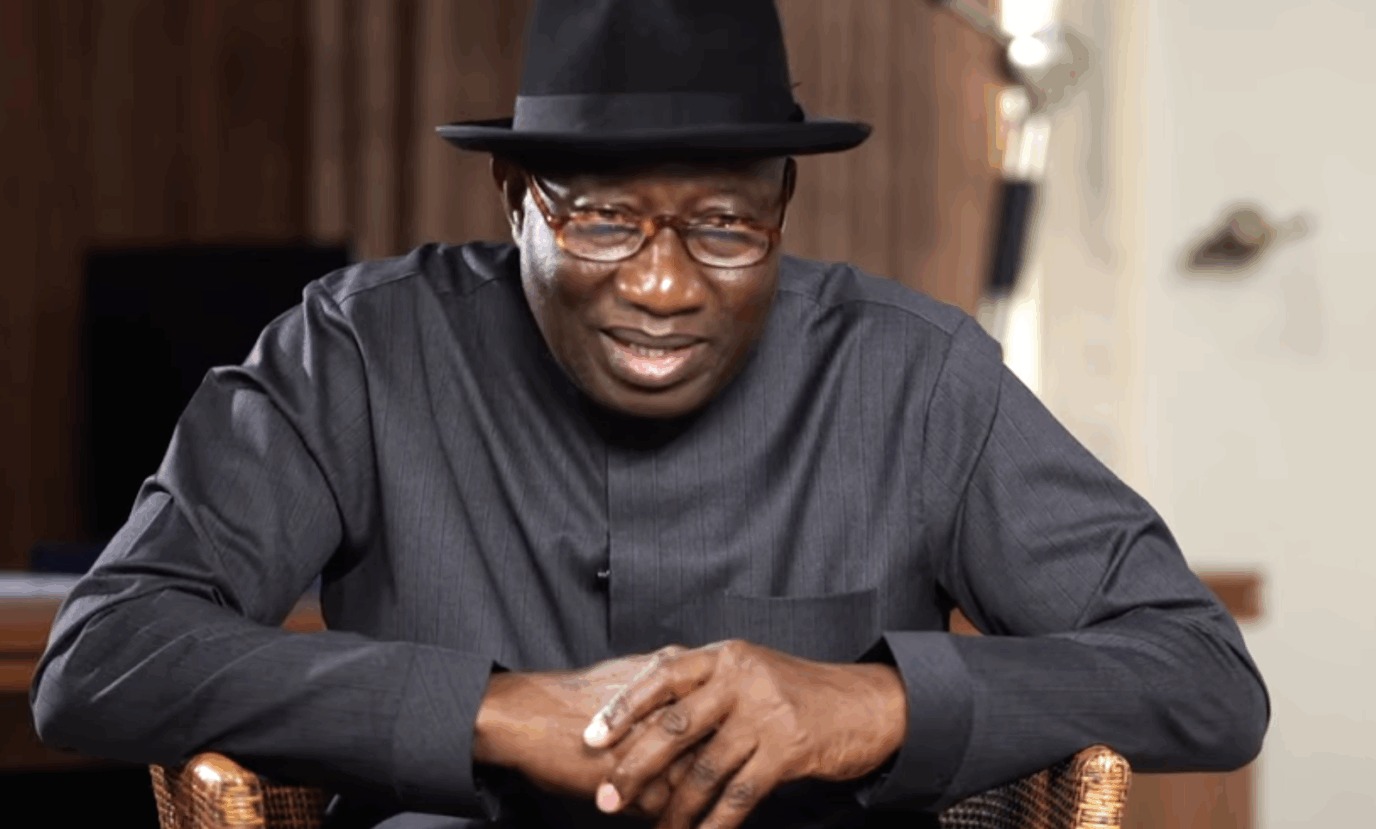
The Federal High Court in Abuja has scheduled Tuesday, May 26, 2026, to deliver its judgment on the eligibility of former President Goodluck Jonathan for the 2027 presidential election.
The case, presided over by Justice Peter Lifu, has become a focal point for Nigeria’s political landscape as it tests the interpretation of constitutional term limits.
The plaintiff argues that because Jonathan took the oath of office twice, first in 2010 to complete the late Umaru Musa Yar’Adua’s term and again in 2011 after winning the general election, a win in 2027 would lead to an unprecedented third oath of office.
This constitutional amendment (the Fourth Alteration, 2018) stipulates that anyone who succeeds a president to complete an unexpired term is only eligible for one more full term.
Jonathan’s legal team and the Attorney-General of the Federation (AGF) argue that this 2018 amendment cannot be applied retroactively to his previous service. They maintain that the matter is already a “settled legal precedent” based on a 2022 Federal High Court ruling in Yenagoa.
The ruling is widely viewed as a “make-or-break” moment for opposition factions. Jonathan could emerge as a powerful “consensus” candidate capable of bridging regional divides, potentially reshaping the 2027 race.
Opposition parties (like the PDP or LP) will have to pivot their strategies toward younger or different regional candidates, ending the “Jonathan comeback” narrative once and for all.
While Jonathan and the AGF have both asked the court to dismiss the suit with “substantial costs” against the plaintiff, the Independent National Electoral Commission (INEC) has notably stayed out of the courtroom arguments so far.