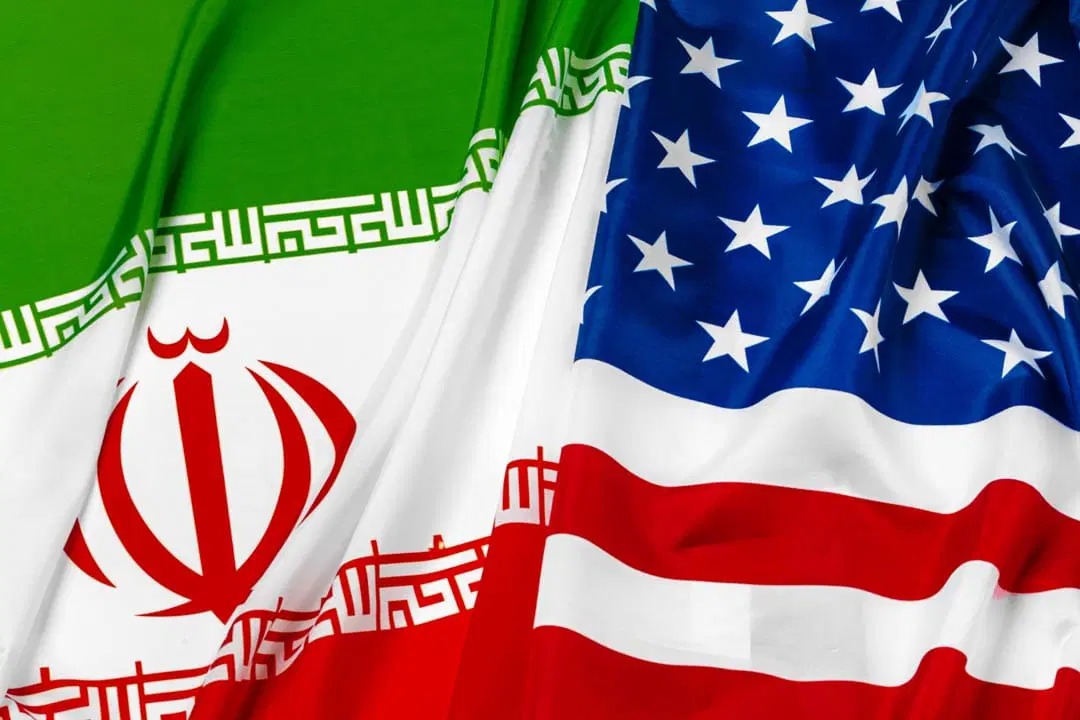
Iran’s Foreign Ministry warned on Wednesday that recent U.S. military strikes have severely jeopardized ongoing diplomatic talks aimed at formalizing a durable ceasefire, accusing Washington of violating a two-month-old truce.
The statements follow the largest military escalation between the two nations since an April 8 ceasefire. Late Tuesday, U.S. Central Command (CENTCOM) executed what it described as “self-defense strikes” against Iranian air defense, radar systems, and ground control stations. The Pentagon stated the operation was a direct response to the downing of an American AH-64 Apache helicopter patrolling near the Strait of Hormuz on Monday.
Iran immediately retaliated early Wednesday morning, launching coordinated drone and missile strikes against regional military installations hosting American personnel, including the Al-Azraq airbase in Jordan, as well as sites in Kuwait and Bahrain.
Iranian Foreign Ministry spokesperson Esmaeil Baghaei strongly condemned the American strikes, asserting that Washington’s military actions directly contradict its stated desires for a peaceful resolution.
”The diplomatic process does not happen in a vacuum,” Baghaei said in a statement carried by state-run media. He accused the United States of “harming” the peace process through repeated ceasefire violations, shifting negotiation positions, and “contradictory messages.”
The flare-up threatens to completely derail weeks of sensitive, indirect negotiations that had been taking place in Doha, Qatar. Prior to the helicopter incident, U.S. President Donald Trump had optimistically told reporters that a comprehensive deal to end the conflict was in its “final throes” and could have been reached within days.
The focus of those diplomatic efforts was aimed at permanently extending the April truce, curbing Iran’s nuclear program, and critically, reopening the blockaded Strait of Hormuz to alleviate the severe economic pressure and skyrocketing energy prices gripping global markets.
U.S. officials briefing reporters emphasized that the strikes were a carefully calibrated “warning shot” meant to reinforce military deterrence rather than signal the start of a broader campaign. Secretary of State Marco Rubio noted that while the U.S. will decisively protect its personnel, a diplomatic resolution remains the ultimate objective, though he acknowledged that the back-and-forth over specific contract language will now take longer.
”We prefer the language of diplomacy, but we speak other languages far more fluently,” Ghalibaf posted on social media platforms. “Break your commitments, and we’ll switch to what we speak best.”
As regional intermediaries scramble to salvage the crumbling framework of the April 8 truce, the coming days will prove a critical test of whether deterrence and diplomacy can coexist, or if the Middle East will slide back into an open-ended military conflict.