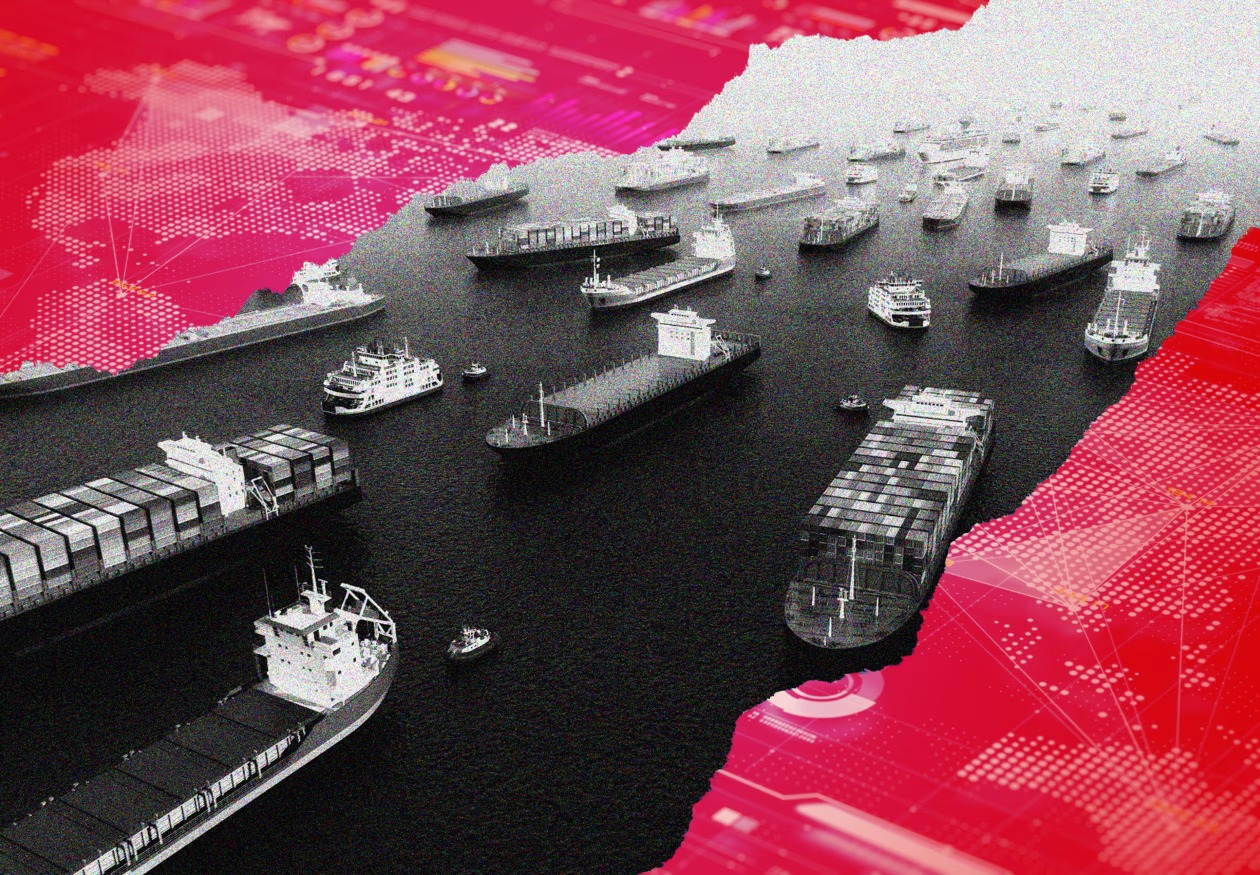
Iran has begun implementing a controversial “toll” system for vessels passing through this critical maritime chokepoint.
The Islamic Revolutionary Guard Corps (IRGC) has reportedly begun charging up to $2 million per vessel for transit. This specific figure is tied to the cargo volume of Very Large Crude Carriers (VLCCs).
Iran is seeking approximately $1 per barrel of oil. Since a VLCC typically carries around 2 million barrels, the total fee per transit reaches the $2 million mark. In an effort to bypass Western financial systems, Iran is accepting payment in Chinese yuan, Bitcoin, or USDT (Tether).
This system was formally codified by the Iranian parliament in late March 2026. The legislation frames these fees as “security services” or “war reparations” following recent regional conflicts.
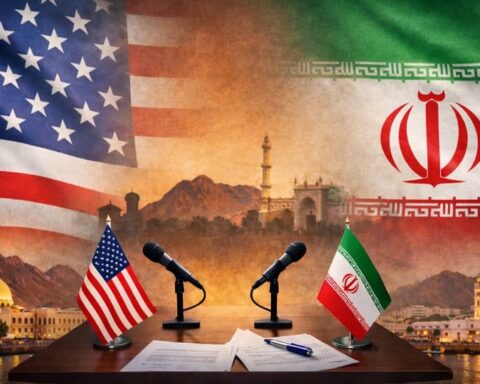
The tolls have emerged as a sticking point in a fragile two-week ceasefire involving the U.S. and Israel. While the U.S. has officially called the tolls illegal, the truce has created a “grey zone” where some shipping companies are paying to ensure safe passage.
Under the United Nations Convention on the Law of the Sea (UNCLOS), the Strait of Hormuz is considered an international strait where ships enjoy the right of transit passage.
Coastal states (Iran and Oman) cannot levy charges simply for transit. Fees are only permitted for specific services rendered, such as pilotage or tug assistance, and must be non-discriminatory the $2 million figure is the current “asking price” for the world’s largest tankers to pass through the strait safely under Iran’s new, albeit legally disputed, management plan.