A routine morning journey along one of Nigeria’s busiest rail lines turned into a moment of anxiety and disruption after the Nigerian Railway Corporation released an interim report detailing what led to Monday’s incident on the Kaduna–Abuja corridor.
According to the report, the disruption was caused by a suspected mechanical failure involving the train’s coupling system—an essential component that links locomotives and coaches together. The revelation has raised fresh concerns about operational safety on a rail route widely regarded as a safer alternative to road travel in northern Nigeria.
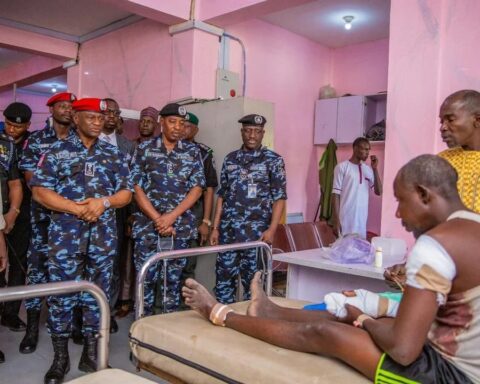
The report, signed by the corporation’s Managing Director, Kayode Opeifa, confirmed that 26 passengers and onboard personnel sustained varying degrees of injuries during the incident. While none of the injuries were immediately reported as fatal, the development has prompted calls for a more thorough technical audit of railway operations.
Reconstructing the timeline, the NRC explained that the Kaduna–Abuja service, identified as KA-2, began its journey from Rigasa Station at exactly 7:15 a.m. The train reportedly maintained a steady run, arriving at Jere Station at 8:52 a.m.—notably one minute ahead of its scheduled time.
However, events took a critical turn at Jere.
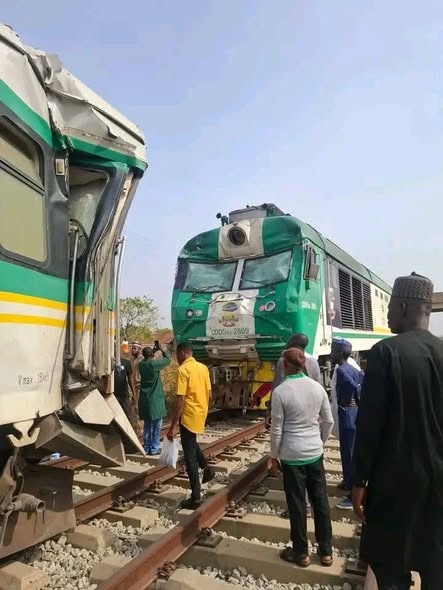
The train remained at the station briefly before departing again at 8:59 a.m., approximately six minutes behind schedule. During this stop, locomotive 2809 was attached to the train in a bid to enhance operational resilience, a move that would later come under scrutiny following the incident.
It was after this adjustment that the suspected coupling failure occurred, disrupting the journey and leading to injuries among those onboard. Though the NRC has yet to provide full technical details, early indications suggest that the connection between components may have failed under motion, triggering the mishap.
The Kaduna–Abuja rail line has in recent years become a critical transport link, especially given security challenges on the highway connecting both cities. Incidents such as this, however, risk undermining public confidence in a system many Nigerians depend on daily.
Railway officials have assured the public that a comprehensive investigation is ongoing and that further findings will be made available once concluded. Safety checks and maintenance protocols are also expected to come under renewed focus as authorities seek to prevent a recurrence.
For passengers who boarded the train expecting a routine commute, the experience has left a lasting impression—one that highlights both the importance of rail infrastructure and the urgent need for its consistent reliability.
As the NRC works to determine the full scope of what went wrong, attention now shifts to corrective measures that will ensure that Nigeria’s railways remain not just functional, but safe for all who rely on them.