The Independent National Electoral Commission (INEC) has redeployed its Resident Electoral Commissioner (REC) in Osun State, Mutiu Agboke, following mounting pressure and petitions alleging partisanship ahead of the 2026 governorship election in the state.
The decision, which has stirred political reactions, comes after complaints were reportedly submitted to the electoral body’s leadership, raising concerns about neutrality and public confidence in the electoral process.
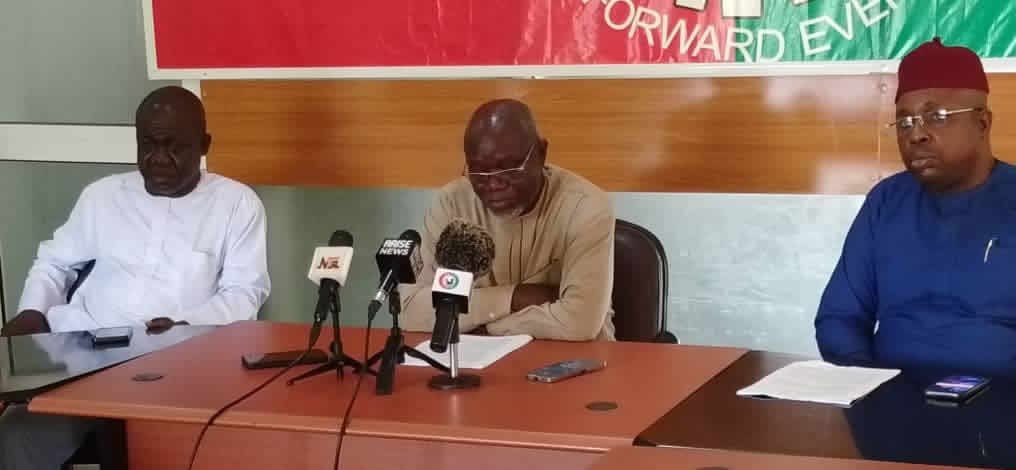
According to reports, major political parties, including the All Progressives Congress (APC) and the New Nigeria Peoples Party (NNPP), had called for Agboke’s removal, citing fears that his continued stay in Osun could undermine the credibility of the upcoming poll.
The petitions were said to have been addressed to the INEC chairman, Mahmood Yakubu, although some reports referenced concerns raised to other senior figures within the commission. The aggrieved parties alleged that the REC’s actions and perceived affiliations could compromise the level playing field expected in a democratic election.
While INEC has not publicly detailed the specific reasons for the redeployment, insiders suggest that the move is part of efforts to maintain public trust and ensure transparency in the electoral process. Electoral observers note that redeployments of Resident Electoral Commissioners are not unusual, especially in the buildup to major elections, as the commission often reshuffles personnel to prevent undue influence and reinforce impartiality.
Political stakeholders in Osun have reacted differently to the development. Some members of the APC and NNPP welcomed the decision, describing it as a necessary step to safeguard the integrity of the electoral process. They argued that early intervention by INEC would help douse tensions and reassure voters of a fair contest in 2026.
However, others have cautioned against drawing conclusions without concrete evidence of wrongdoing, warning that frequent allegations against electoral officials could erode confidence in democratic institutions if not properly managed.
Analysts say the redeployment highlights the high stakes surrounding the 2026 Osun governorship election, which is expected to attract intense political competition. They note that ensuring the neutrality of electoral officials will be critical to avoiding disputes and post-election litigation.
The move also underscores the growing demand for accountability within Nigeria’s electoral system, as political parties and civil society groups increasingly scrutinise the conduct of election officials.
INEC has consistently maintained its commitment to free, fair, and credible elections across Nigeria. The commission has, in recent years, introduced reforms aimed at improving transparency, including the deployment of technology and stricter monitoring of electoral personnel.
As preparations for the Osun governorship election gather momentum, attention will remain on INEC’s actions and decisions, with stakeholders expecting the commission to uphold its mandate and ensure that the will of the people is accurately reflected at the polls.
With the redeployment of Mutiu Agboke, the electoral body appears to be taking a proactive step to address concerns and reinforce confidence in the democratic process, even as political activities in the state continue to intensify ahead of the crucial 2026 contest.