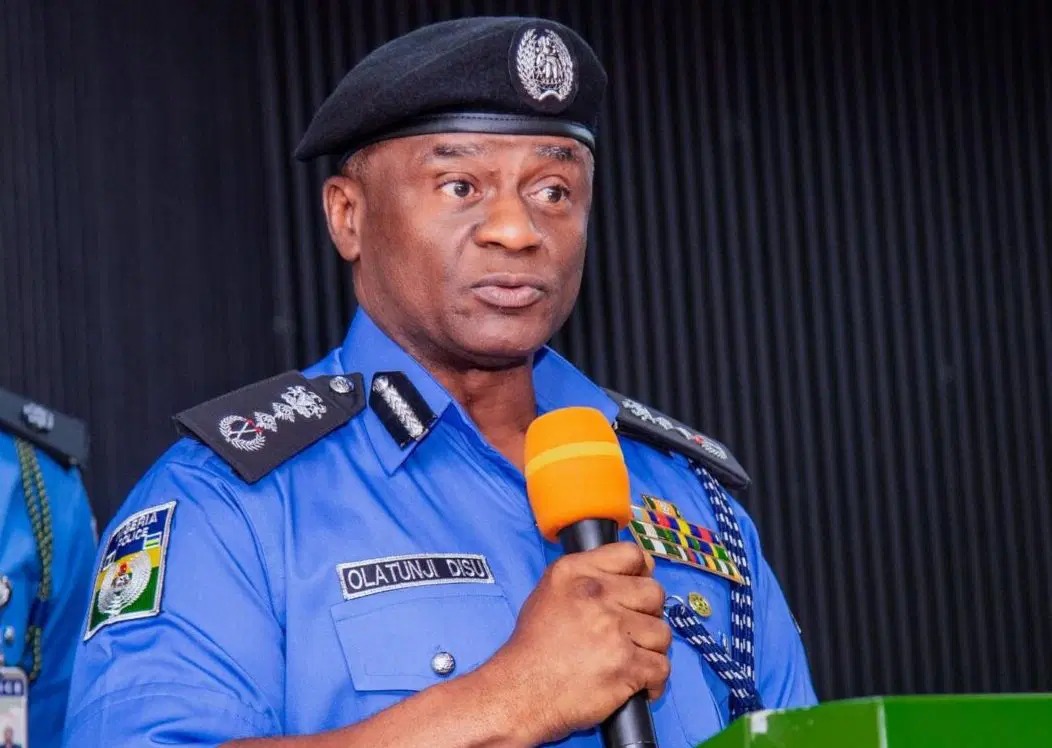
This is a significant shift in Nigeria’s internal security architecture. Following his appointment in February 2026, Inspector-General of Police Rilwan Olatunji Disu has moved quickly to overhaul the tactical units of the Nigeria Police Force (NPF).
The replacement of the Special Weapons and Tactics (SWAT) unit which itself was the post-EndSARS successor to the defunct SARS with the Violent Crime Response Units (VCRUs) marks a deliberate attempt to pivot toward intelligence-led and accountable policing.
The rollout, announced in May 2026, includes several structural changes aimed at addressing the criticisms leveled against previous tactical units:
Unlike previous units that often operated with vague chains of command, VCRUs are under the direct supervision of the Commissioners of Police (CPs) in each of the 36 states and the FCT. The CPs are held personally responsible for the conduct and outcomes of these units.
The IGP has mandated that VCRUs are not to be deployed arbitrarily. Operations must be guided by credible intelligence to minimize harassment of innocent citizens.
IGP Disu, known for his “The Good Guys” branding during his time as Commander of the Rapid Response Squad (RRS) in Lagos, is leaning into his reputation for professionalizing police-citizen interactions.
The scrapping of SWAT is partly a response to the “ghost of SARS” that many felt SWAT still carried. By launching the VCRU, the police leadership is signaling a “clean slate” policy, backed by a concurrent nationwide audit of arms and ammunition to curb the misuse of weapons.
While the VCRUs are now the official tactical response framework, their success will likely be measured by whether they can reduce high-stakes crime (kidnapping, banditry, and armed robbery) without repeating the human rights violations that plagued their predecessors.