With roughly four months remaining before the scheduled 2027 general elections, the influential umbrella body of Southeastern intellectuals, traditional rulers, and political stakeholders, the Igbo Leaders of Thought (ILT), has officially called for the temporary suspension of all electoral activities across the federation until Nigeria completes a total constitutional and structural overhaul.
The resolution was contained in a formal communique issued on Sunday, September 27, 2026, following an executive deliberation held at the ILT Regional Headquarters along Independence Layout, Enugu, Enugu State.
Jointly signed by the President of ILT, Prof. Elo Amucheazi, and the Secretary-General, Prof. Dozie Chukwuokolo, the group asserted that conducting another general election under the present 1999 Constitution would only compound Nigeria’s socio-political crises, structural imbalances, and economic decay.
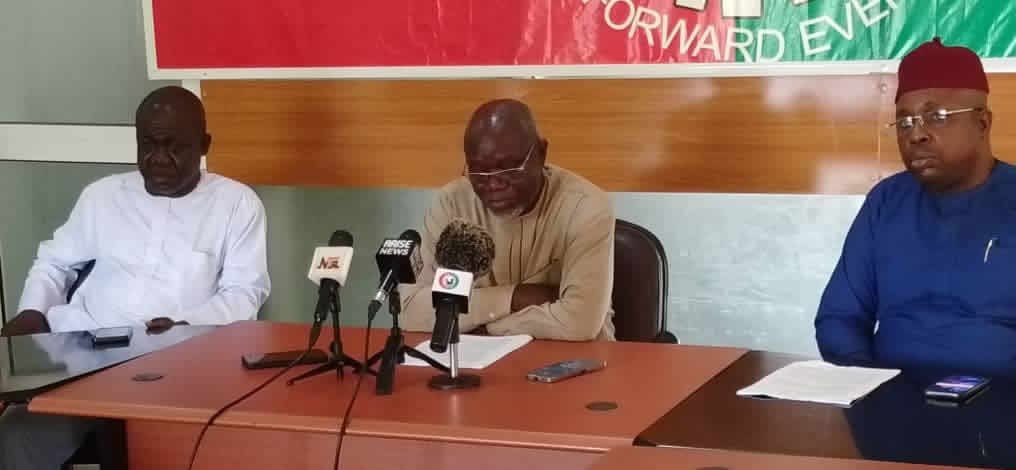
Speaking to journalists during a post-meeting press brief, ILT spokesperson Prof. Obasi Igwe, who was accompanied by delegates Ambassador Uche Ajulu-Okeke and Prof. Chidozie Chukwuokolo outlined the group’s core demands.
Main demands that include a temporary halt to the 2027 general elections to prioritise constitutional reforms, ensuring that future polls take place under a newly restructured system before May 2027.
The Replacing the current 36-state model with 10 autonomous regions based on ethno-linguistic boundaries (five coastal regions in the South and five riparian regions in the North).
Demand also include establishing a contiguous, united Igbo Region extending to the Atlantic coast, encompassing Abia, Anambra, Ebonyi, Enugu, Imo, the proposed Anioma area, Rivers State, and contiguous Igbo communities in Akwa Ibom, Bayelsa, Benue, Cross River, Edo, and Kogi states.
The transferring resource control back to autonomous regions, which will fund the central government on agreed terms, and decentralizing the military-security architecture beyond regional police units.
The ILT warned that proceeding with elections under the existing framework would trigger further national disintegration, reiterating that a restructured federation remains the only viable path to true national stability and equitable development.