The African Democratic Congress (ADC) has criticised President Bola Tinubu’s 2026 budget proposal, describing it as “wishful thinking” and accusing the administration of planning to bury the country under an unsustainable debt burden.
In a preliminary review of the budget proposal presented to the National Assembly, the opposition party said the document represents a dangerous debt trap that could mortgage Nigeria’s future and worsen the country’s fiscal crisis.
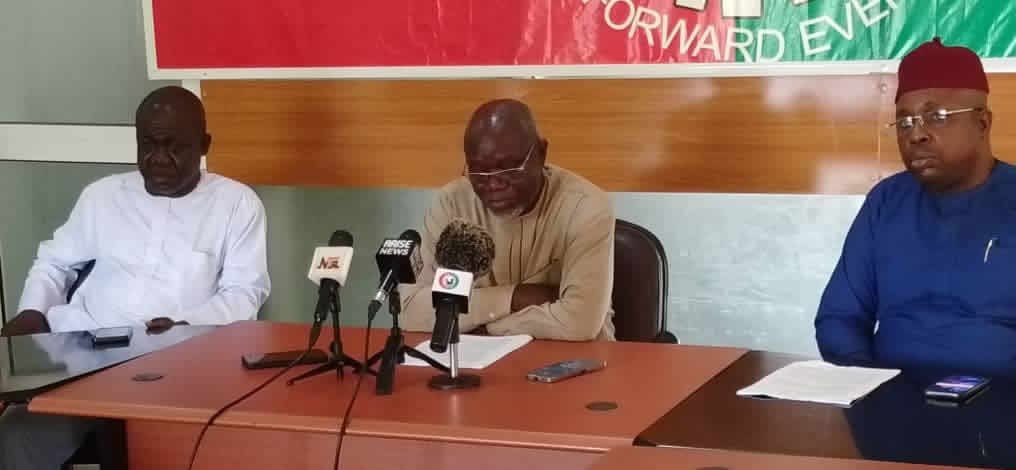
In a statement signed by its National Publicity Secretary, Mallam Bolaji Abdullahi late Monday, the party faulted the government’s description of the proposal as a ‘Budget of Consolidation, Renewed Resilience and Shared Prosperity,’ arguing that it merely extends what it called failed fiscal practices under the Tinubu administration.
According to the party, the 2026 budget proposal largely copies the templates of the 2024 and 2025 budgets, which it described as failed, unimplemented and possibly unimplementable, warning that the latest proposal would likely suffer the same fate.
“We are witnessing a government pursuing policies without a stable foundation,” the party said, adding that the practice of operating three or more national budgets simultaneously reflects Tinubu’s approach to fiscal management.
On revenue projections, the ADC described the figures contained in the budget as unrealistic and detached from economic realities.
It recalled that revenues rose to about N20trillion in 2024 largely due to currency devaluation, before being doubled to N40 trillion for 2025 and increased further to N58.57trillion in the 2026 proposal.
“This is not vision, it is fantasy,” the party said.
“A budget that plans to generate N34trillion in revenue while borrowing N24trillion is an admission of fiscal insolvency. In no sane or functional fiscal system would a deficit-to-revenue ratio of 70 percent be considered acceptable,” the statement said.
“It is an unpardonable sin to raise massive debts to fund reckless spending, effectively burying our children under a mountain of debt obligations before they even enter the workforce.”
The party also drew attention to rising debt servicing costs, noting that debt service has increased from N12.63trillion in 2024 to a projected N15.52trillion in 2026, a trend it warned would further constrain development spending and worsen economic hardship for Nigerians.